
Alligator Shears
FAQs
What is an alligator shear and how does it work?
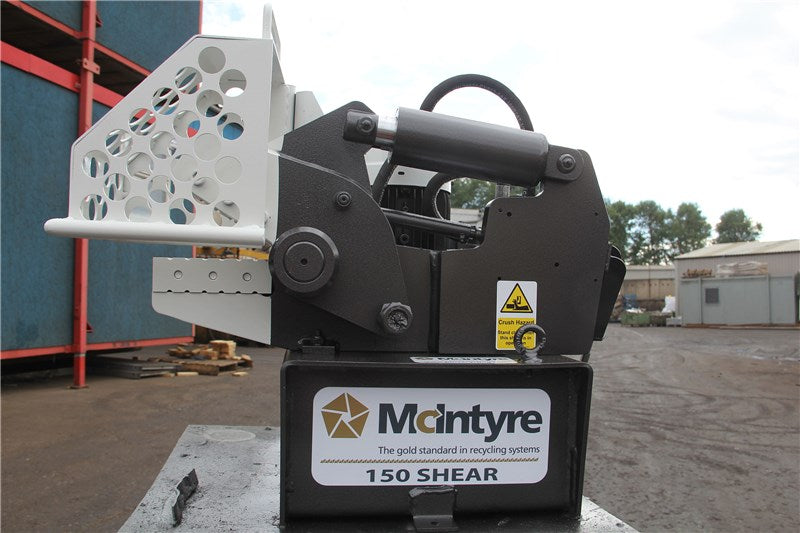
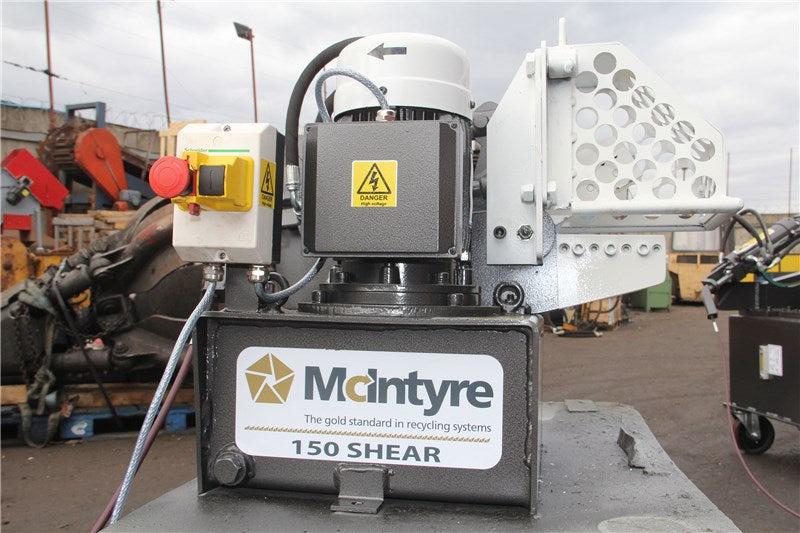
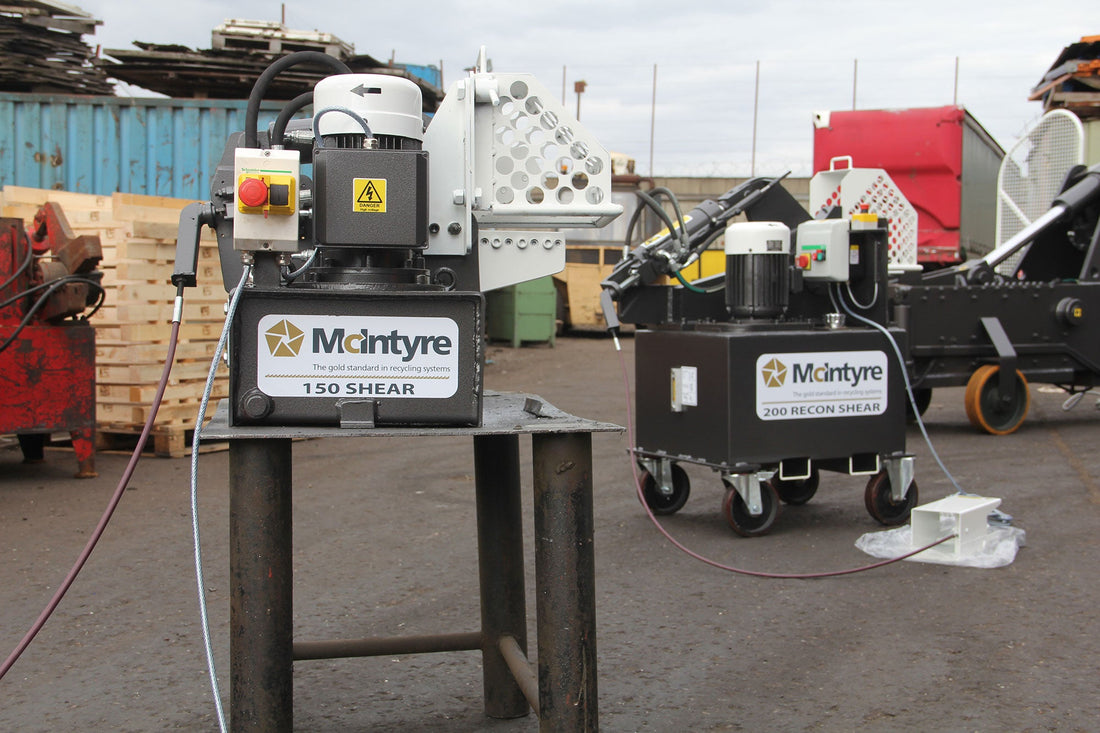
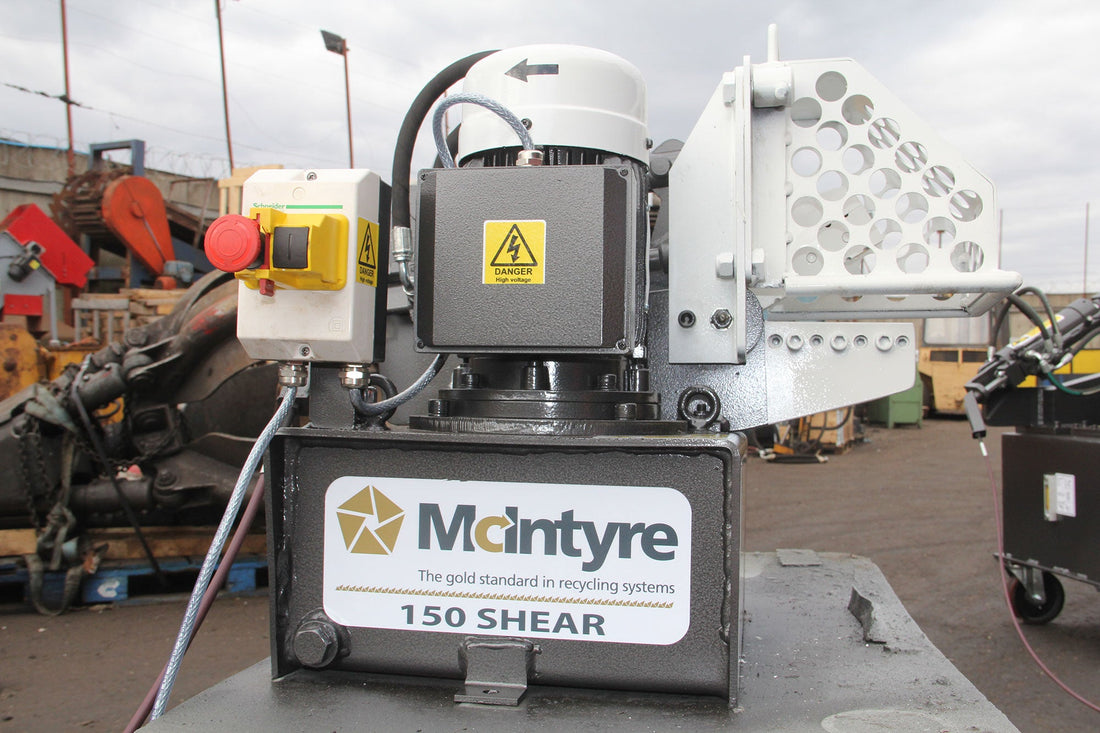
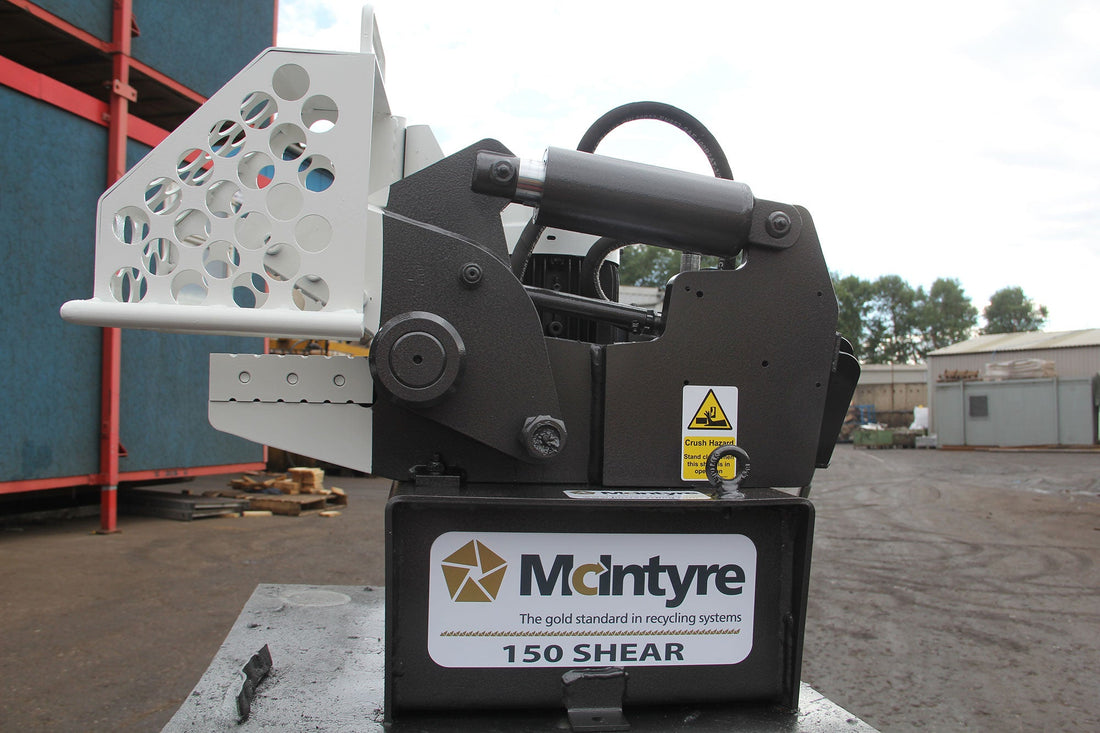
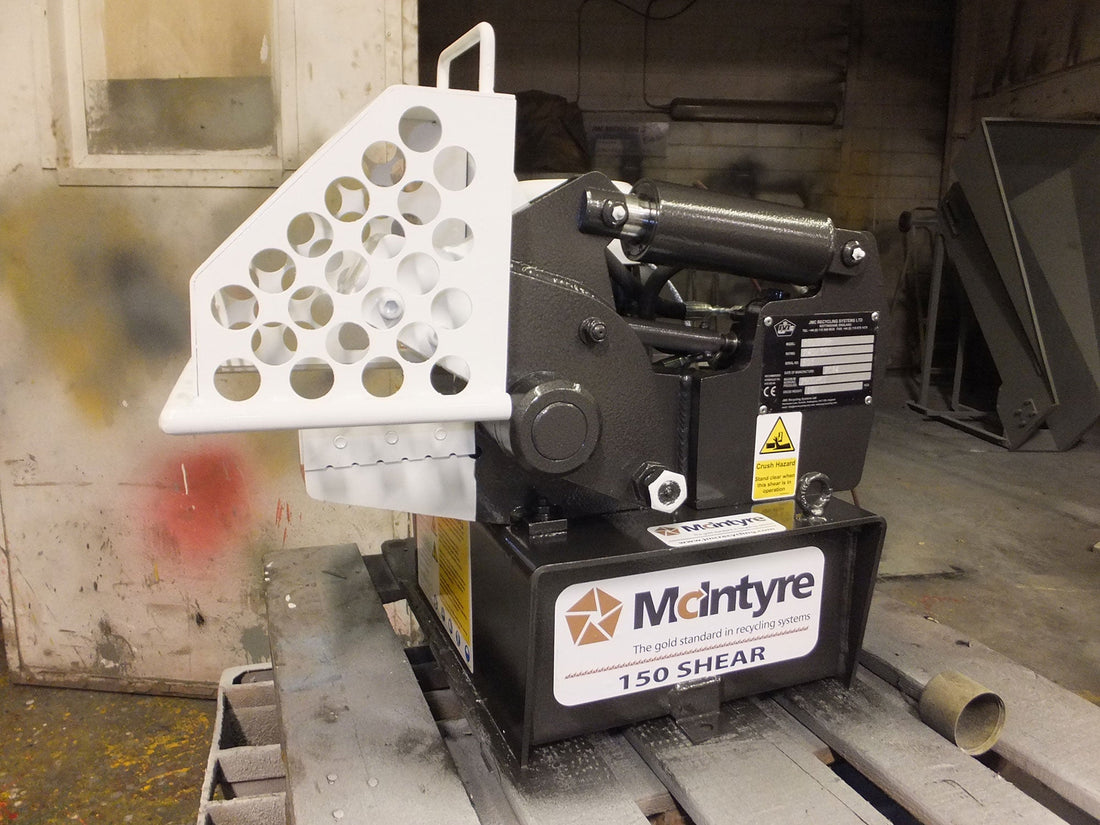
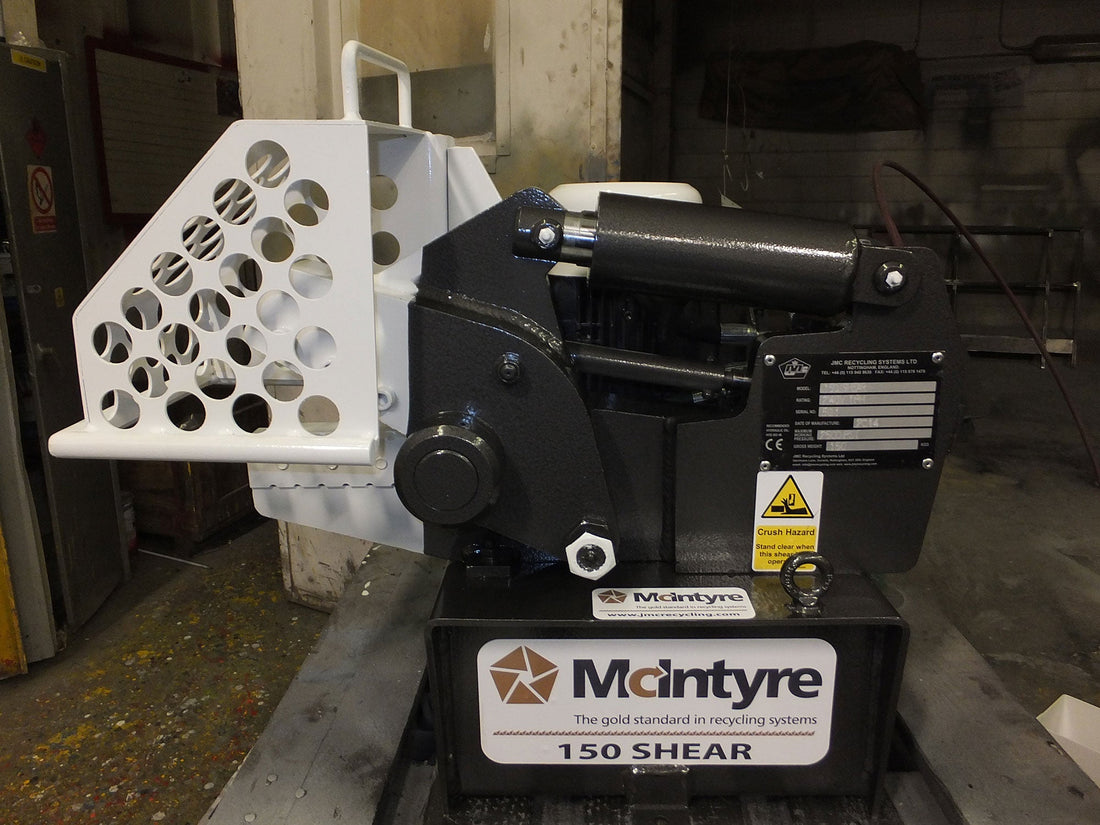
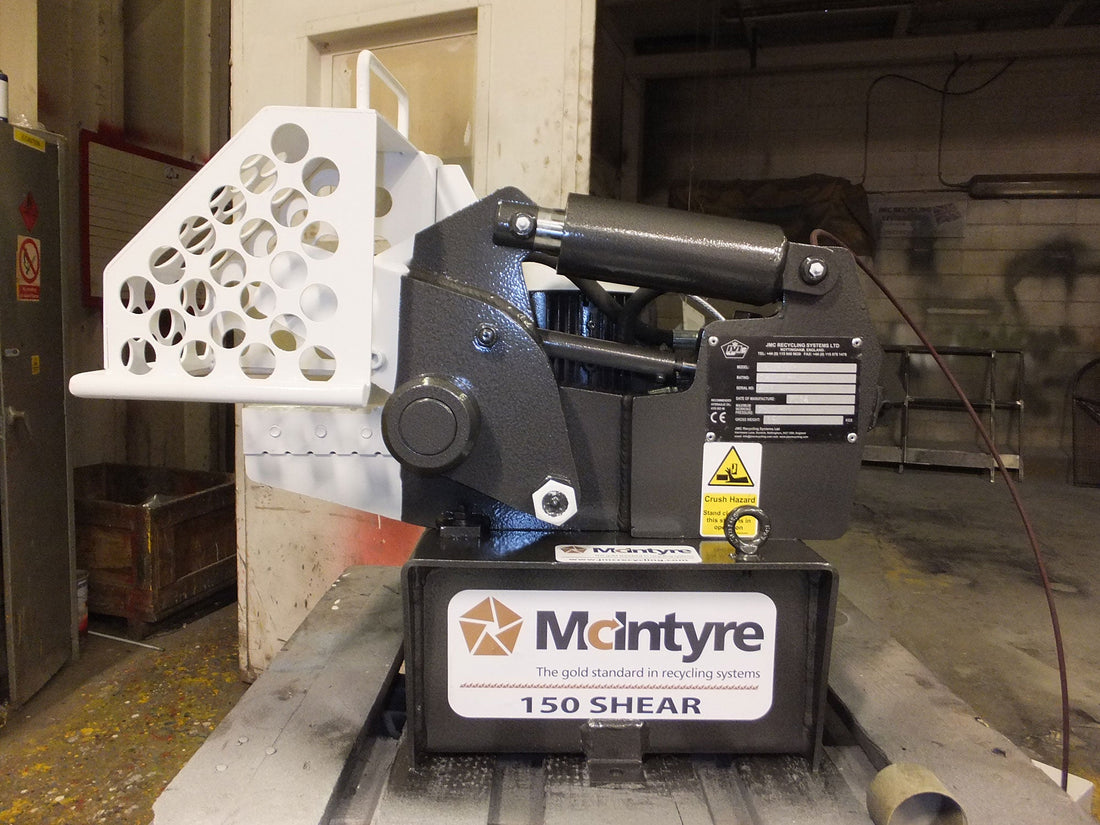
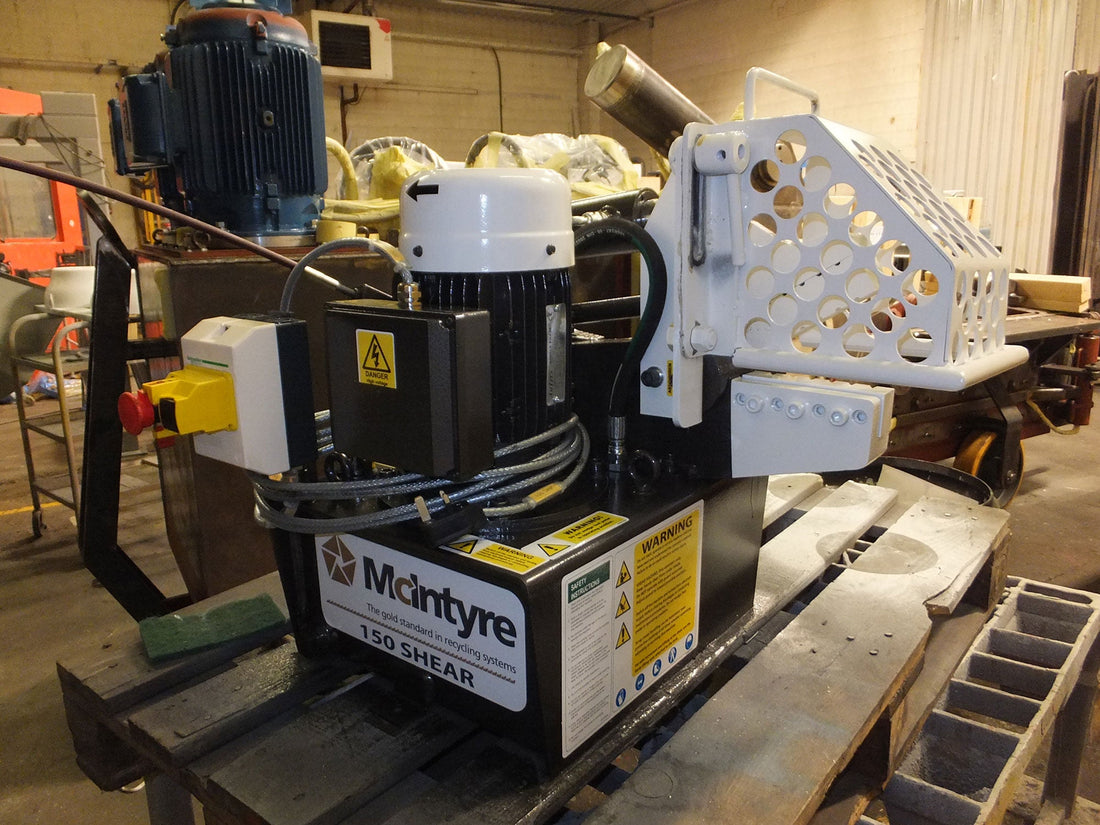
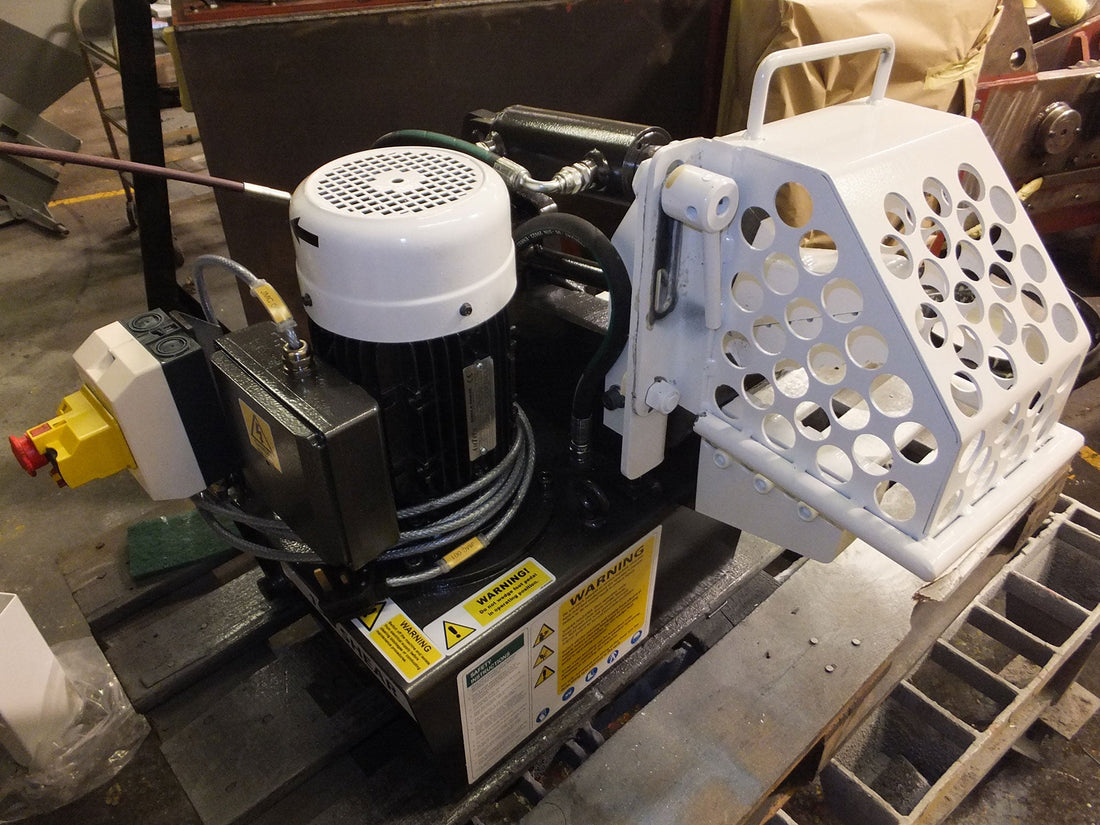
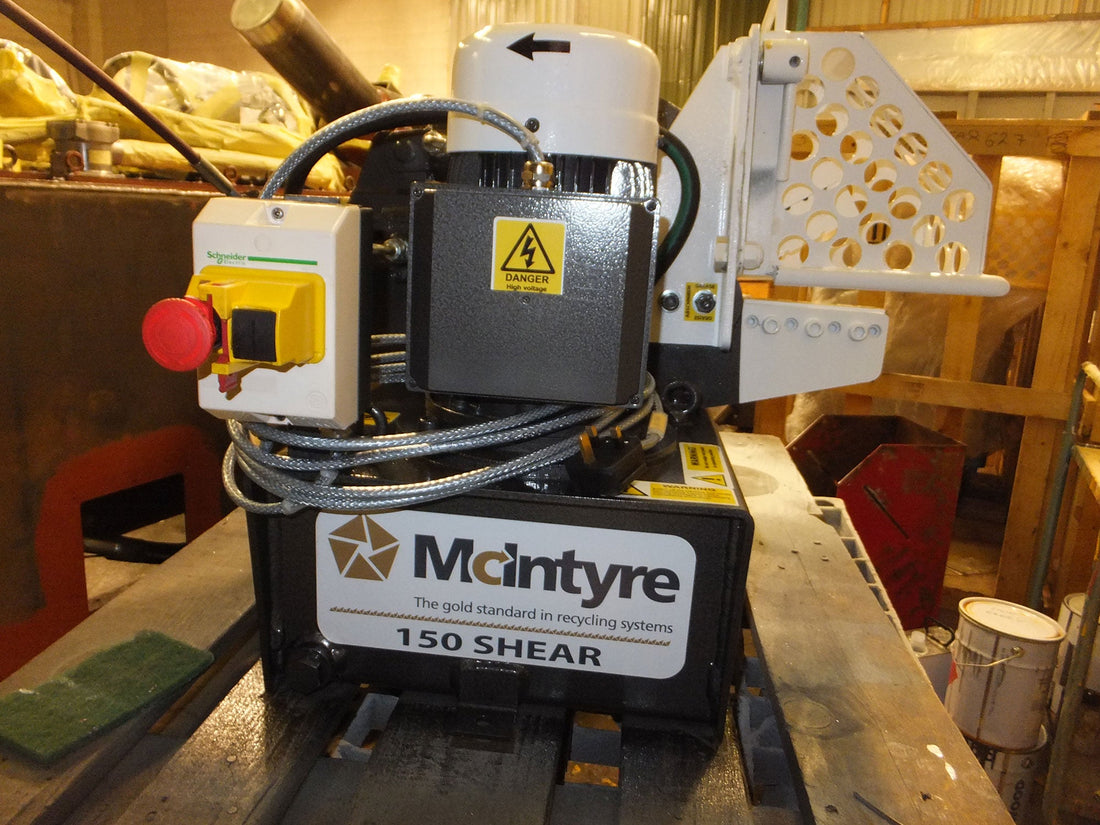
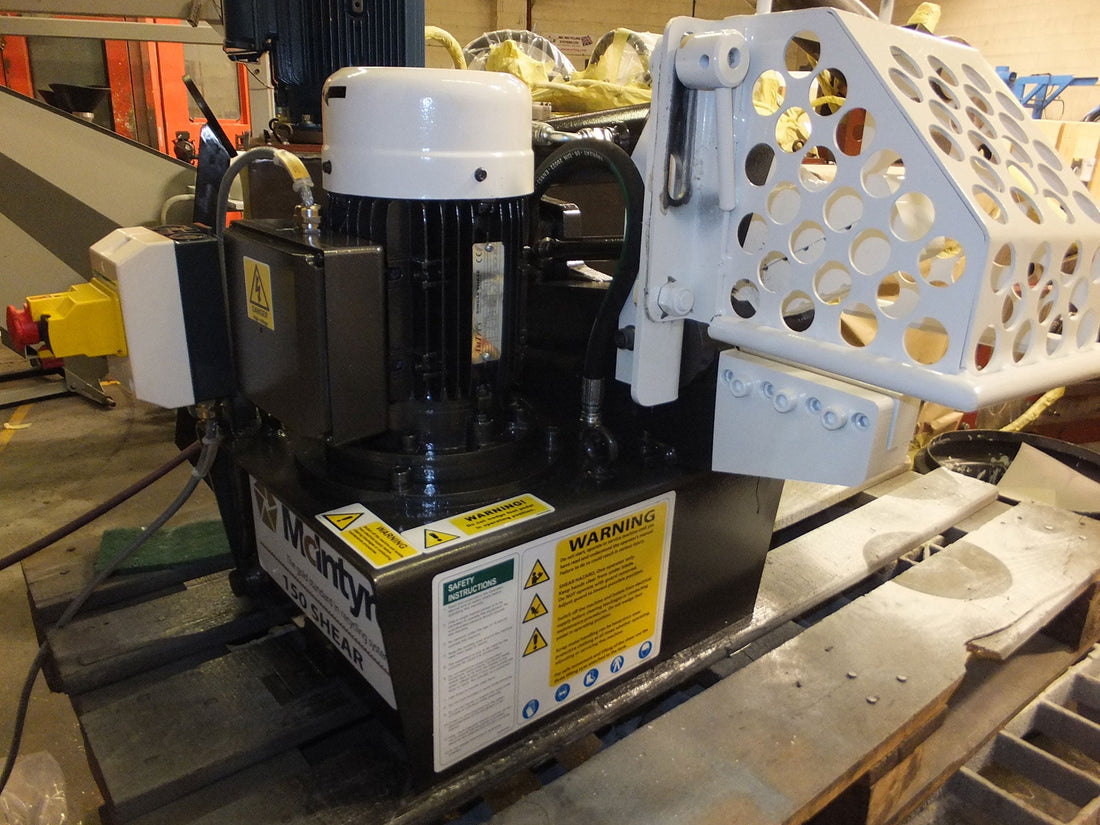
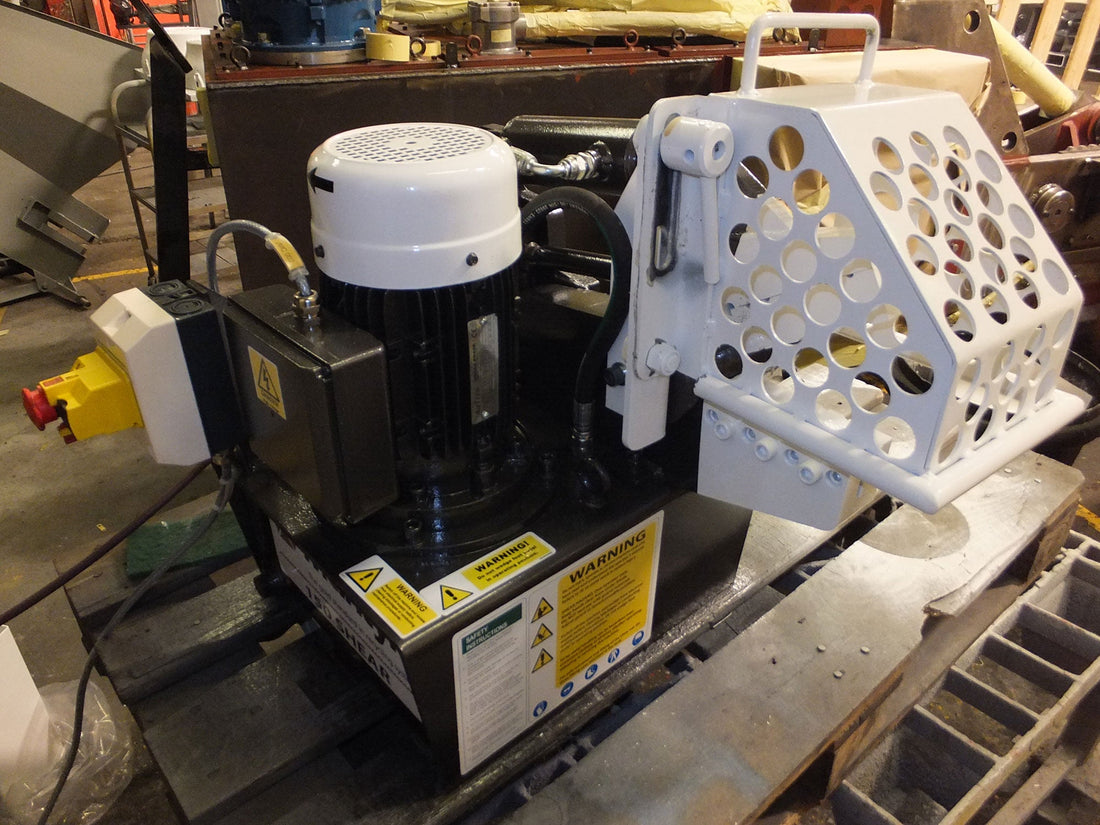
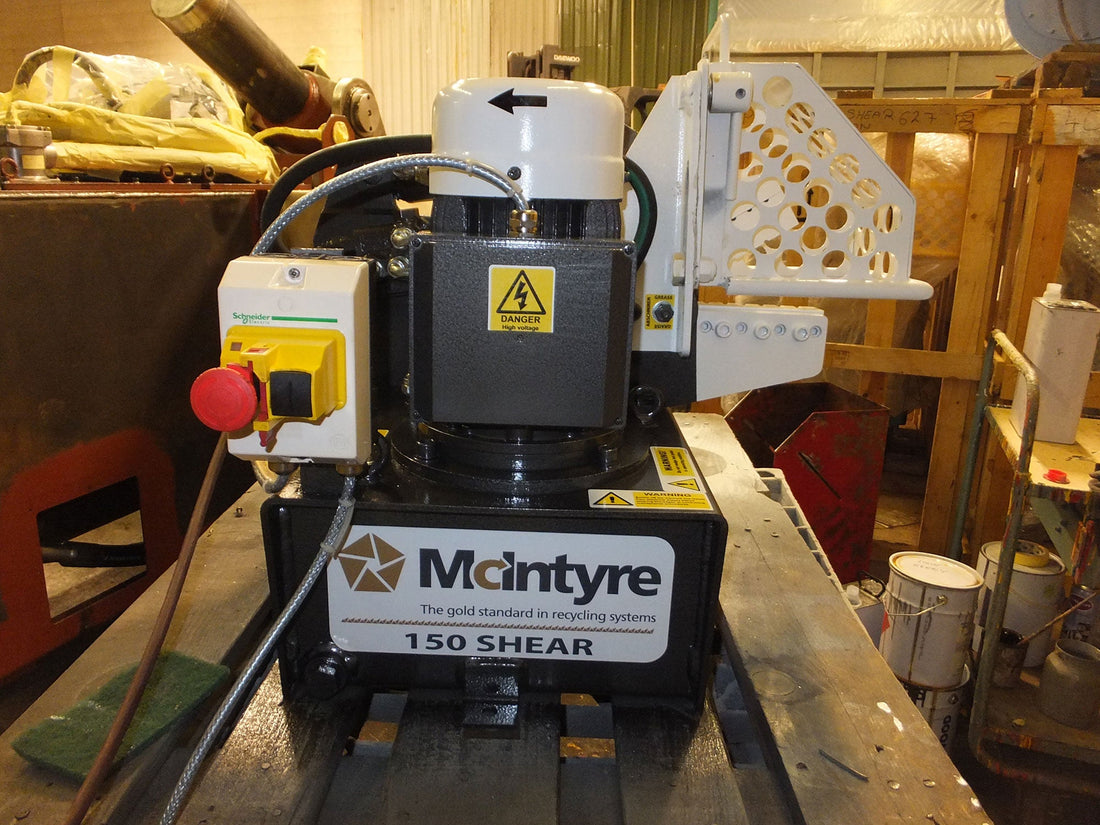
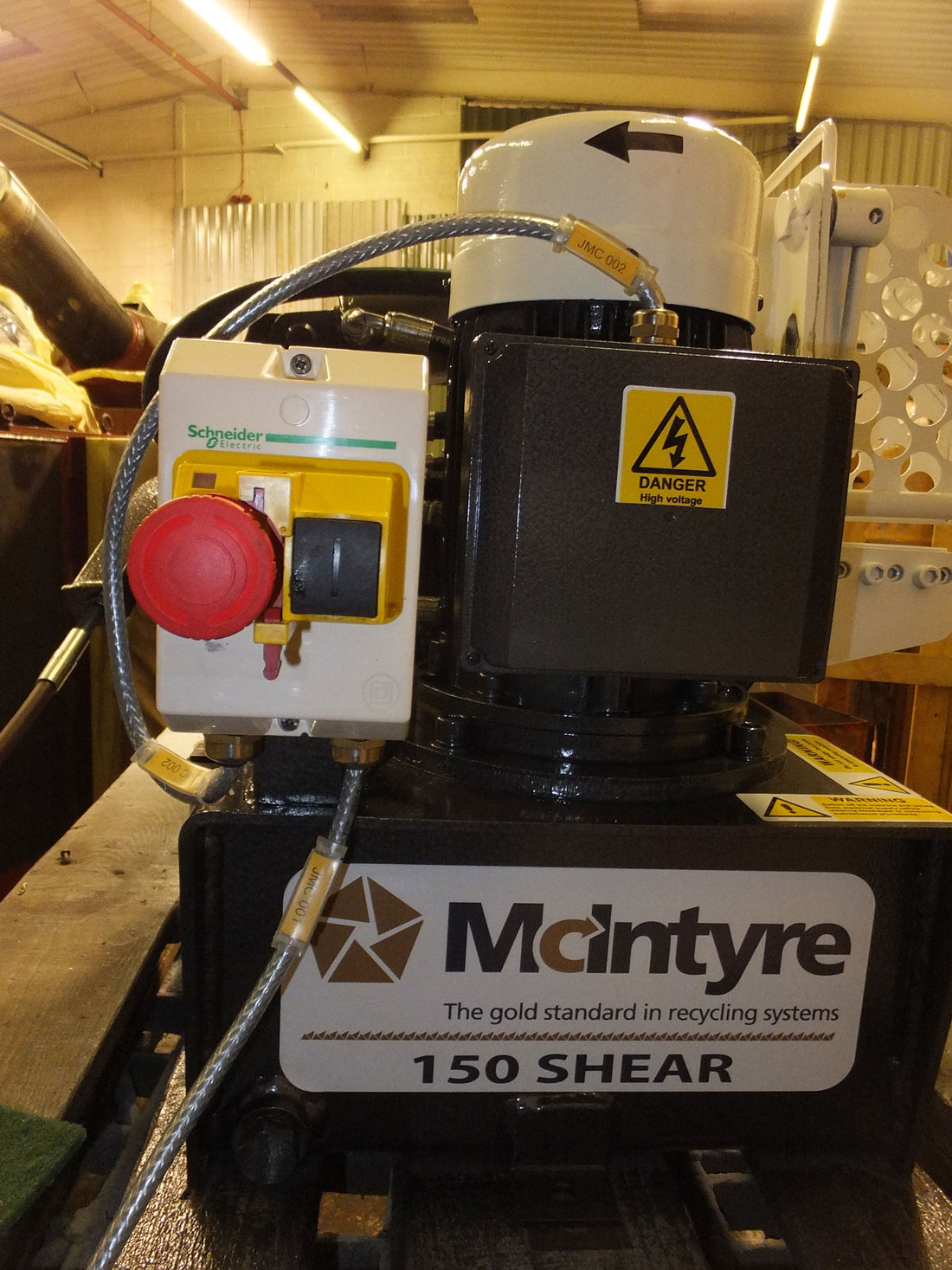
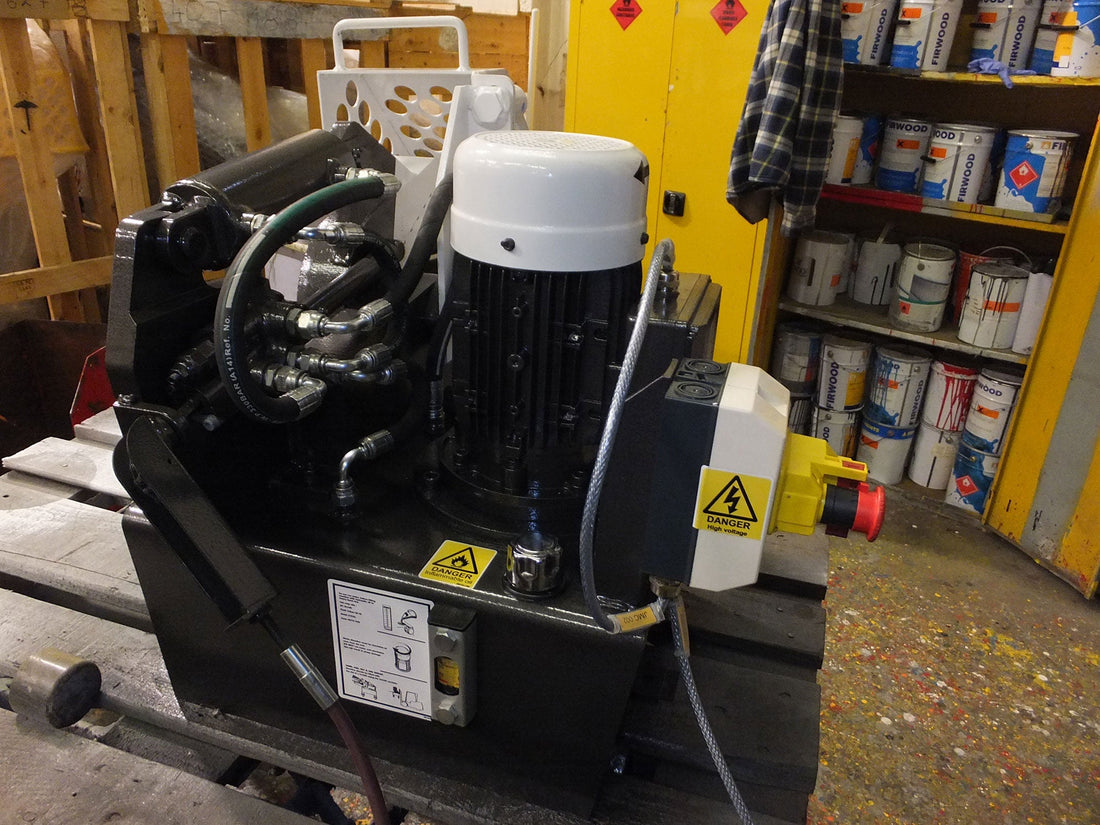
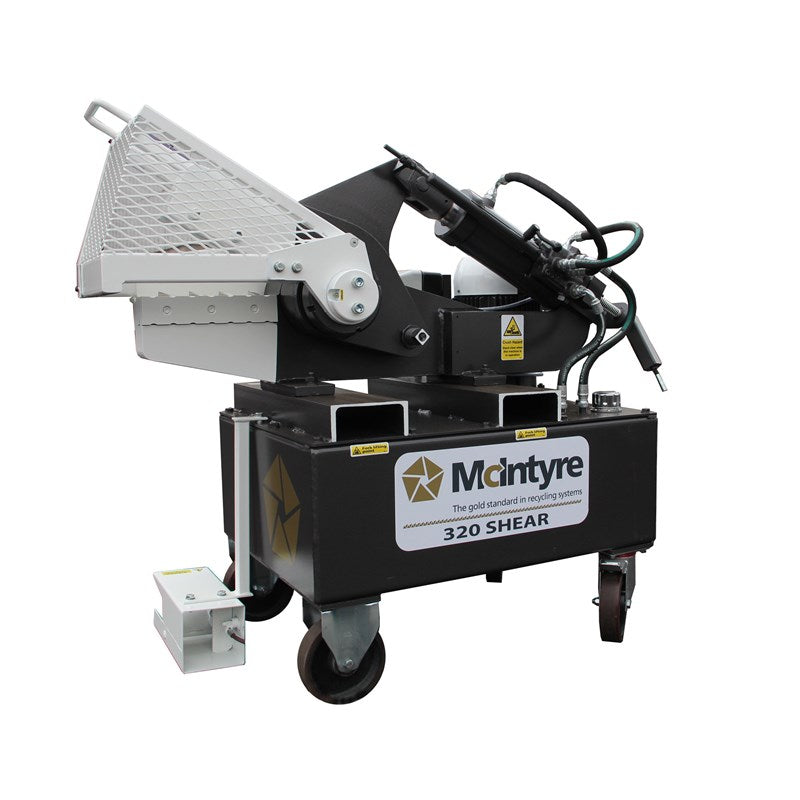
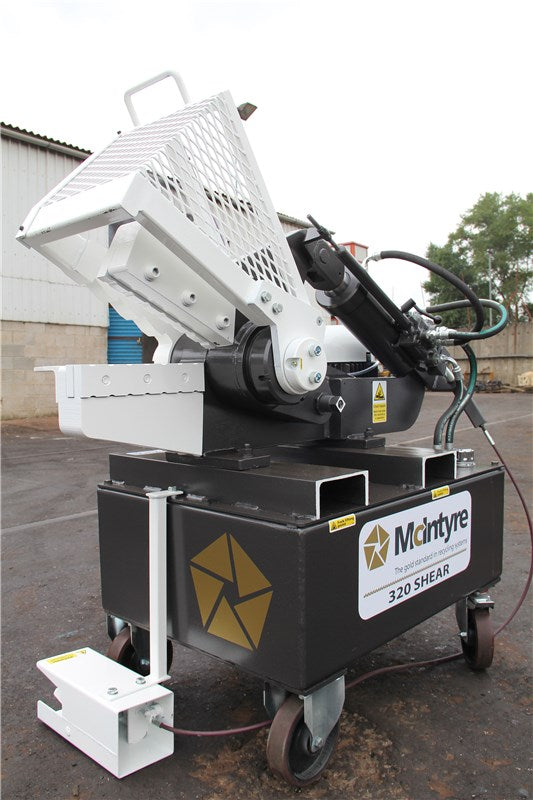
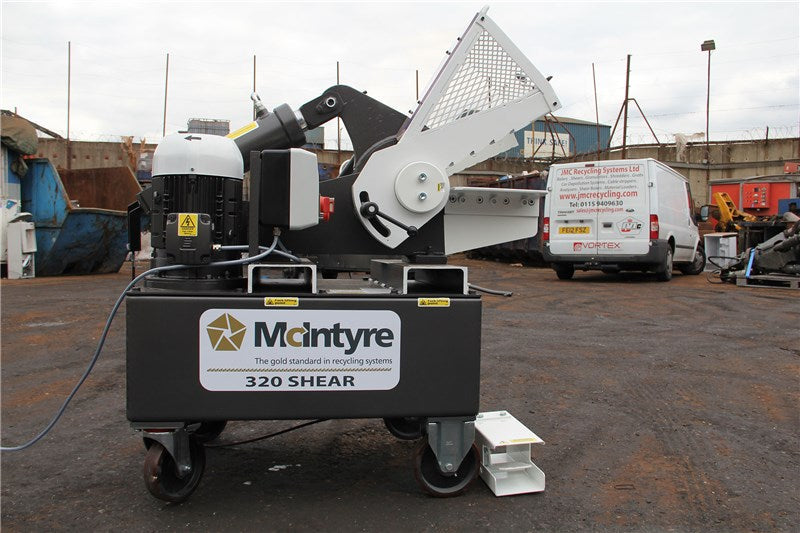
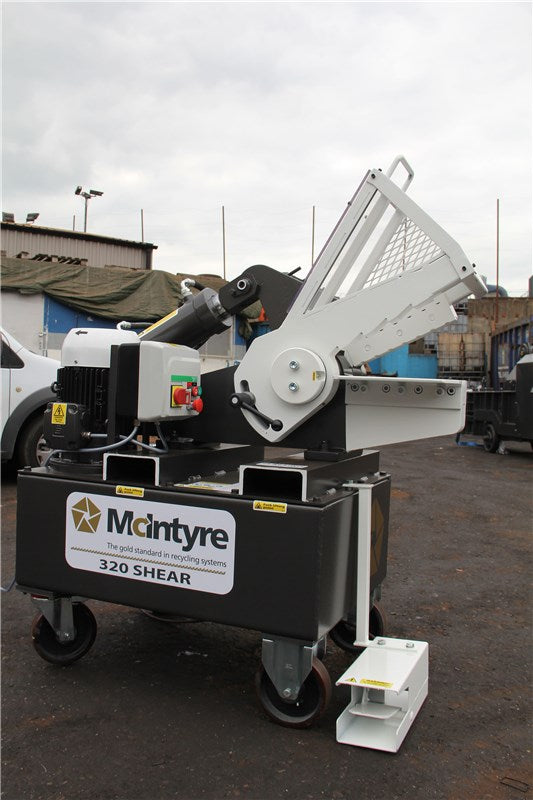
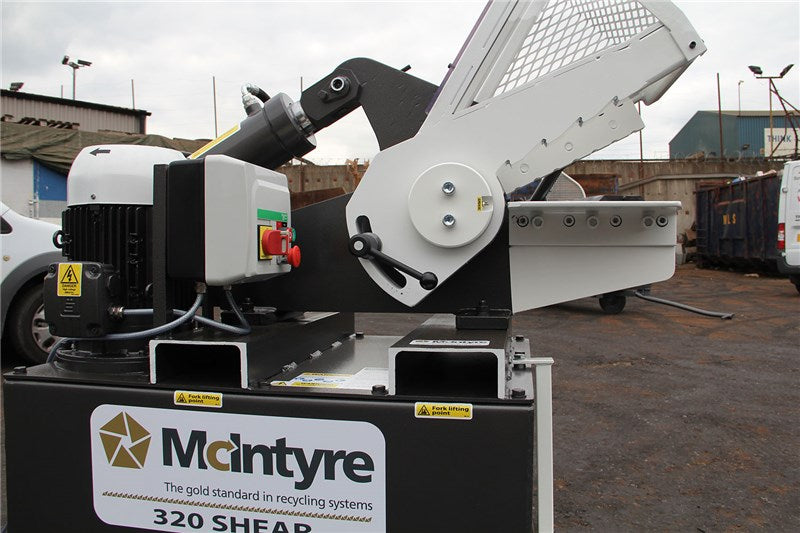
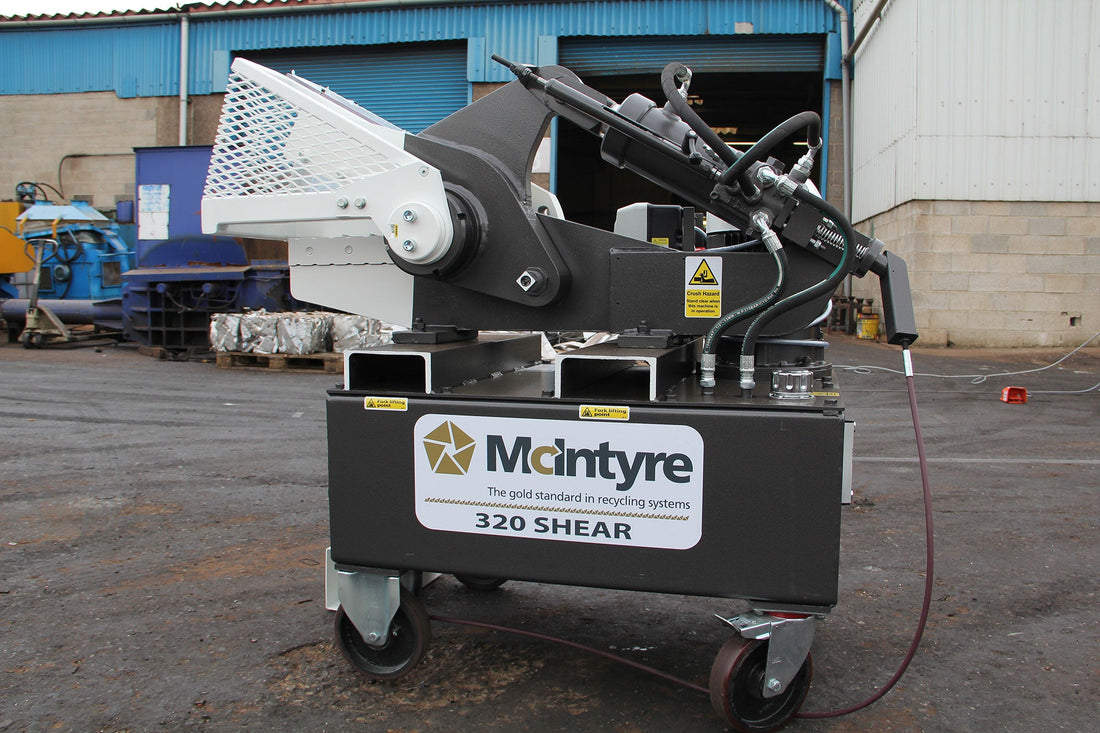
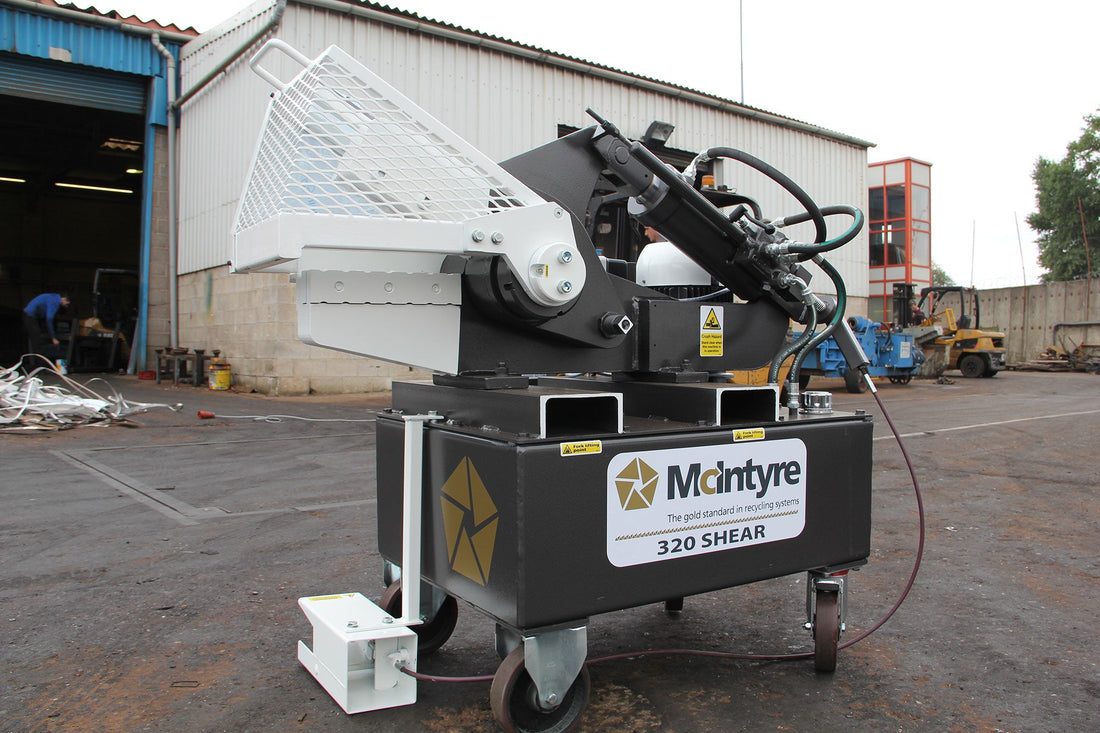
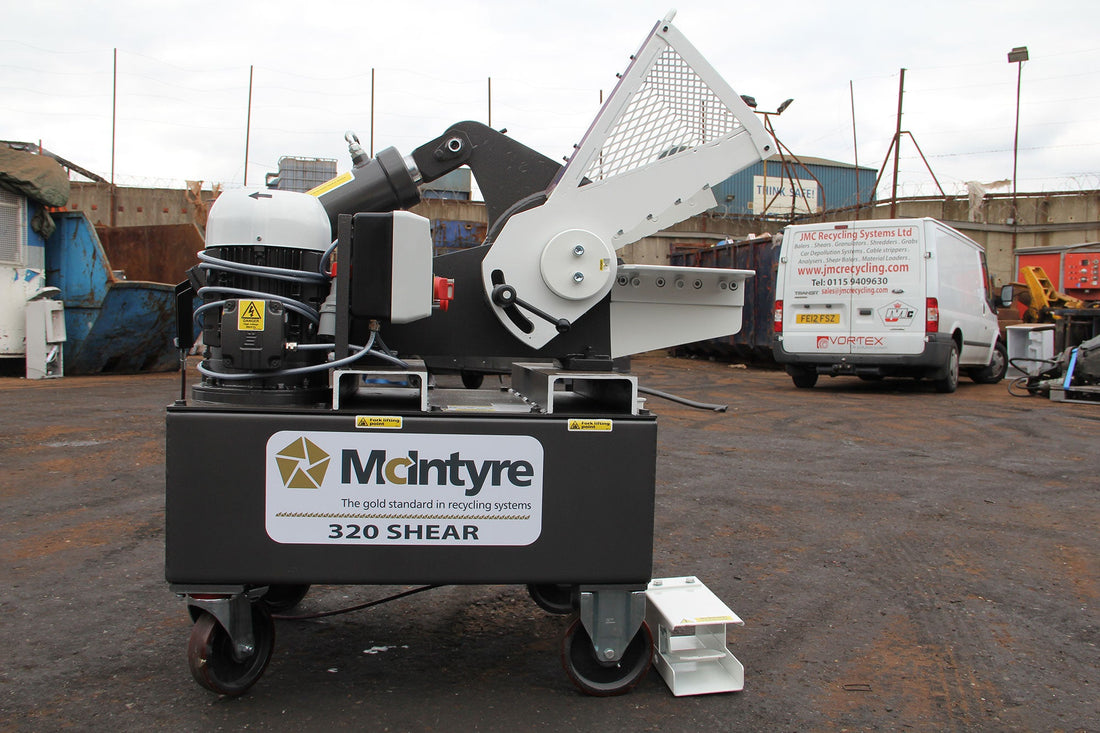
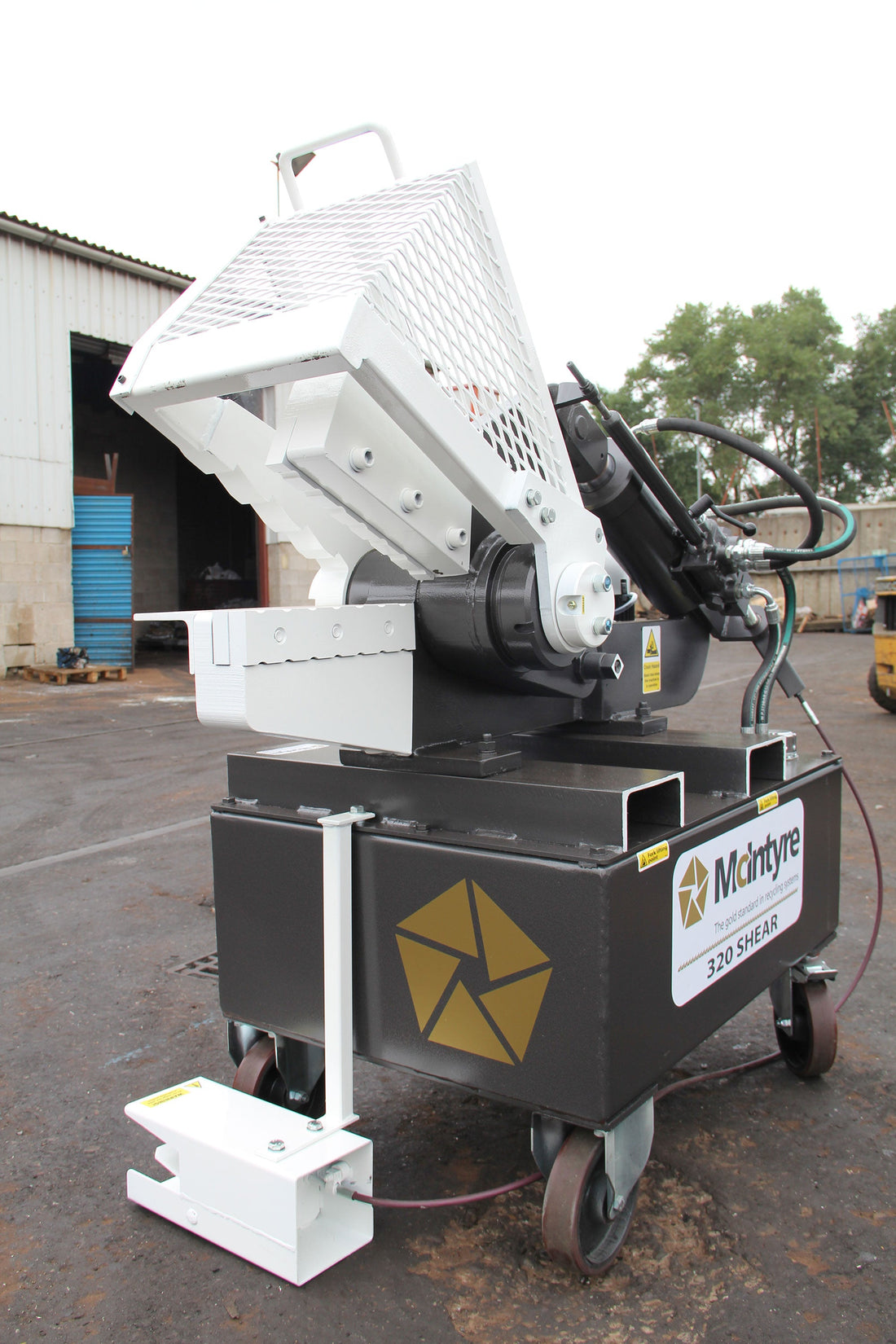
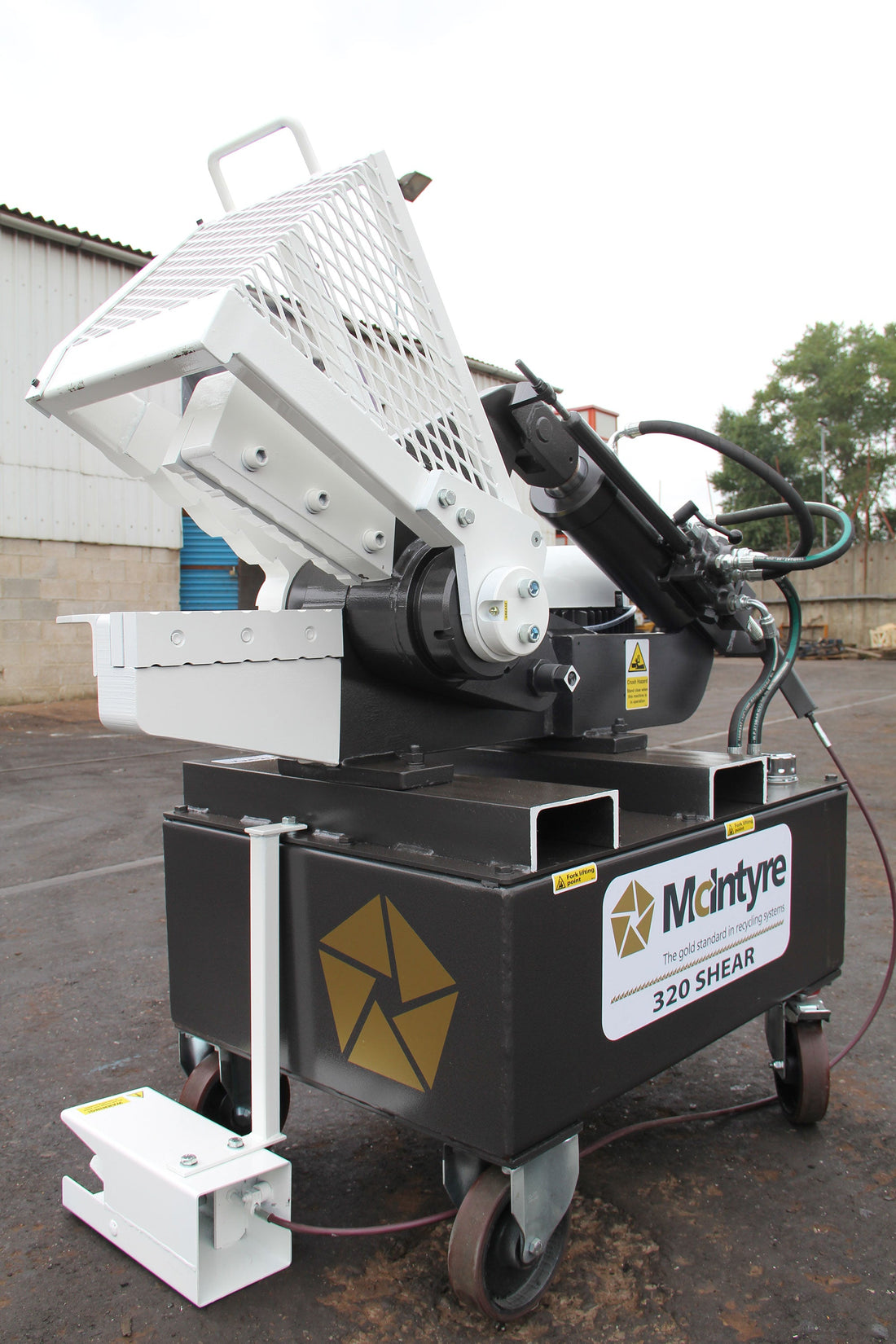
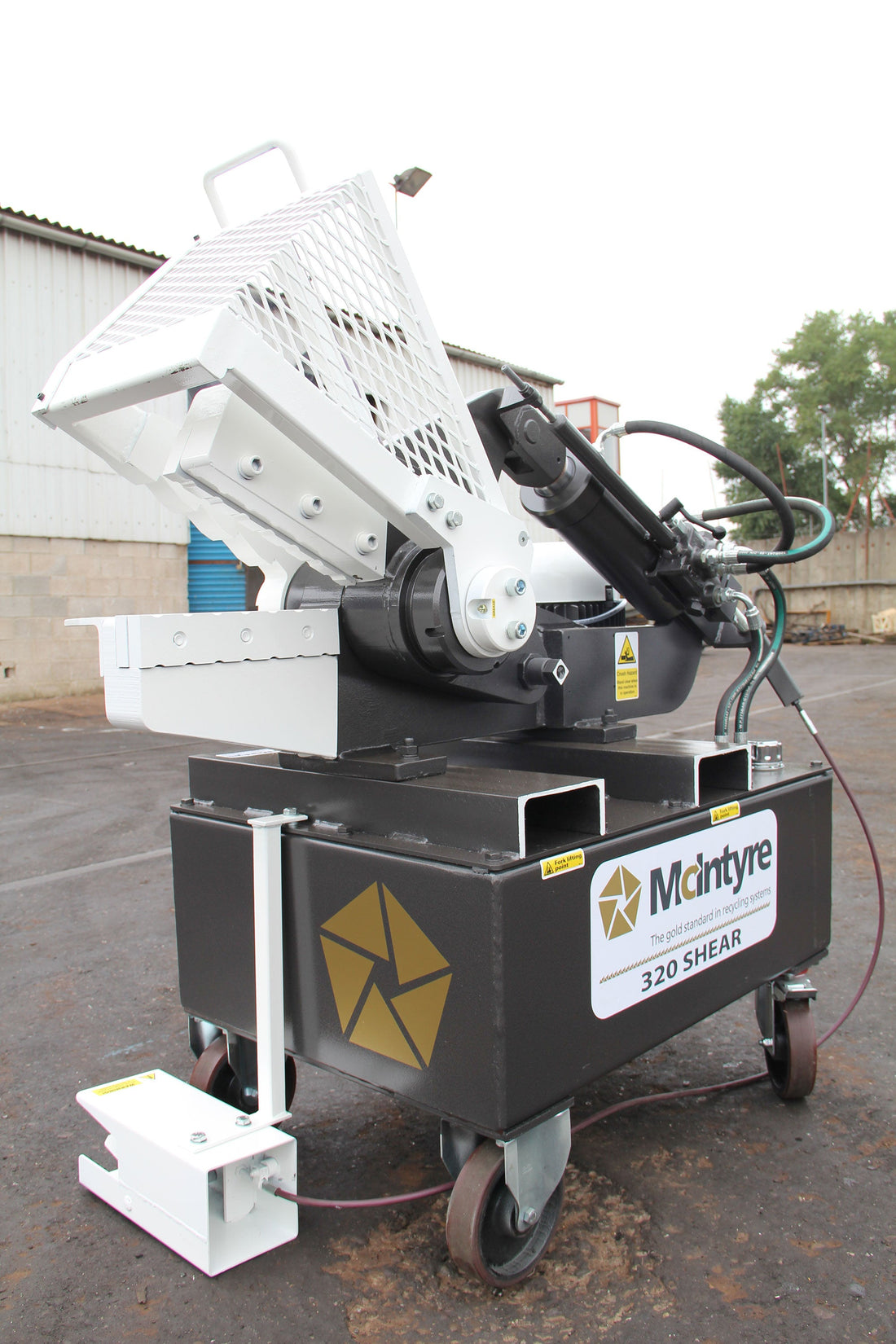
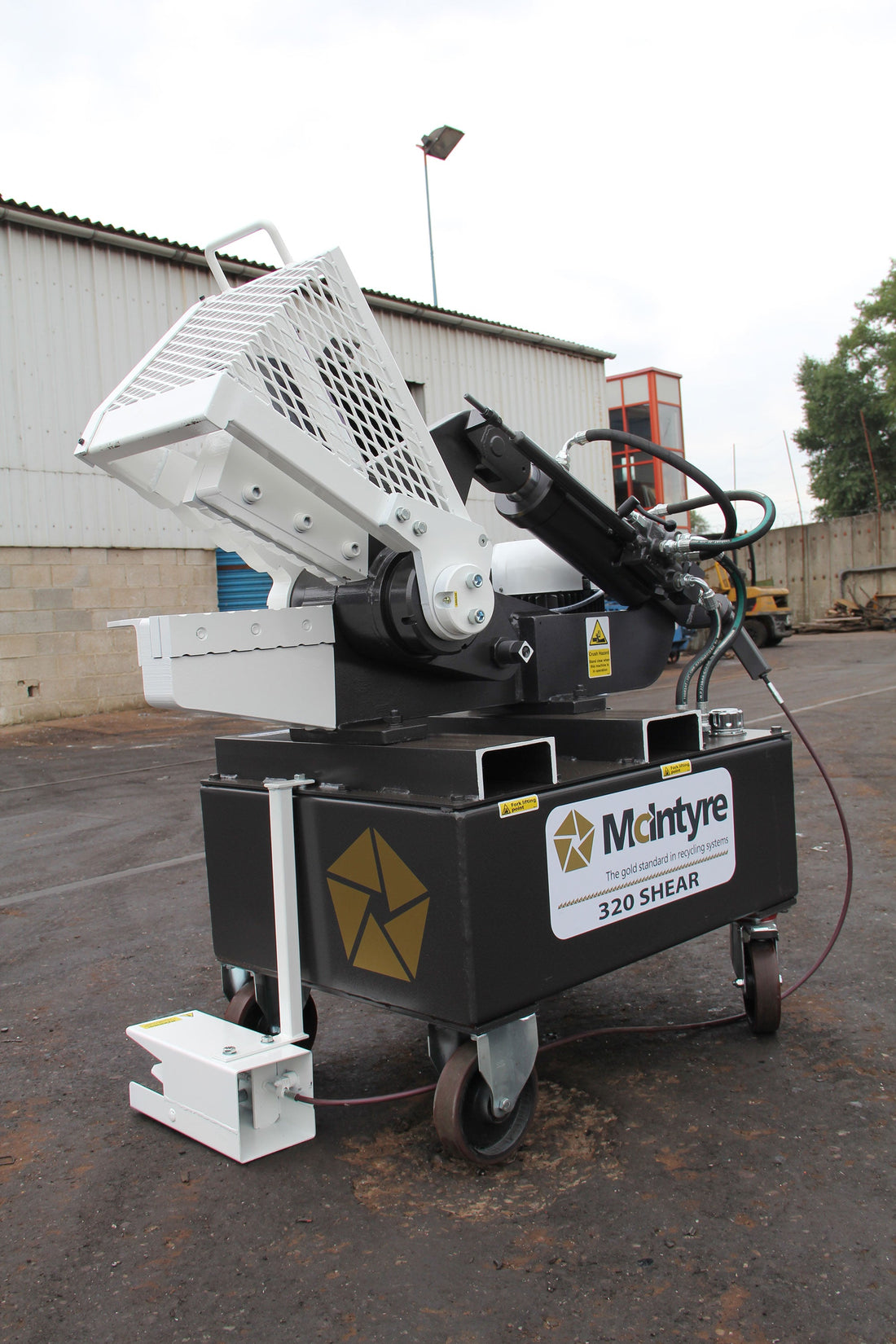
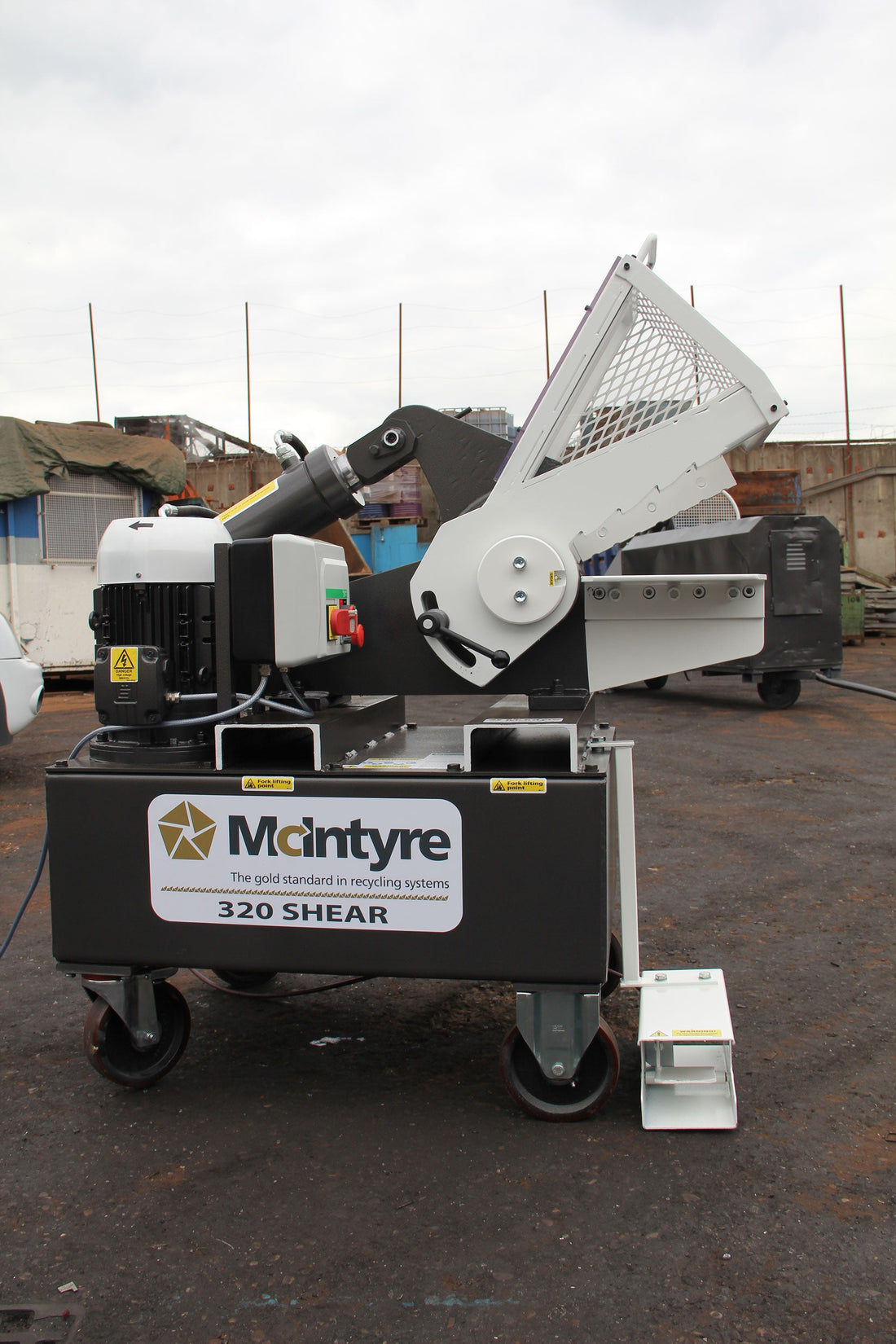
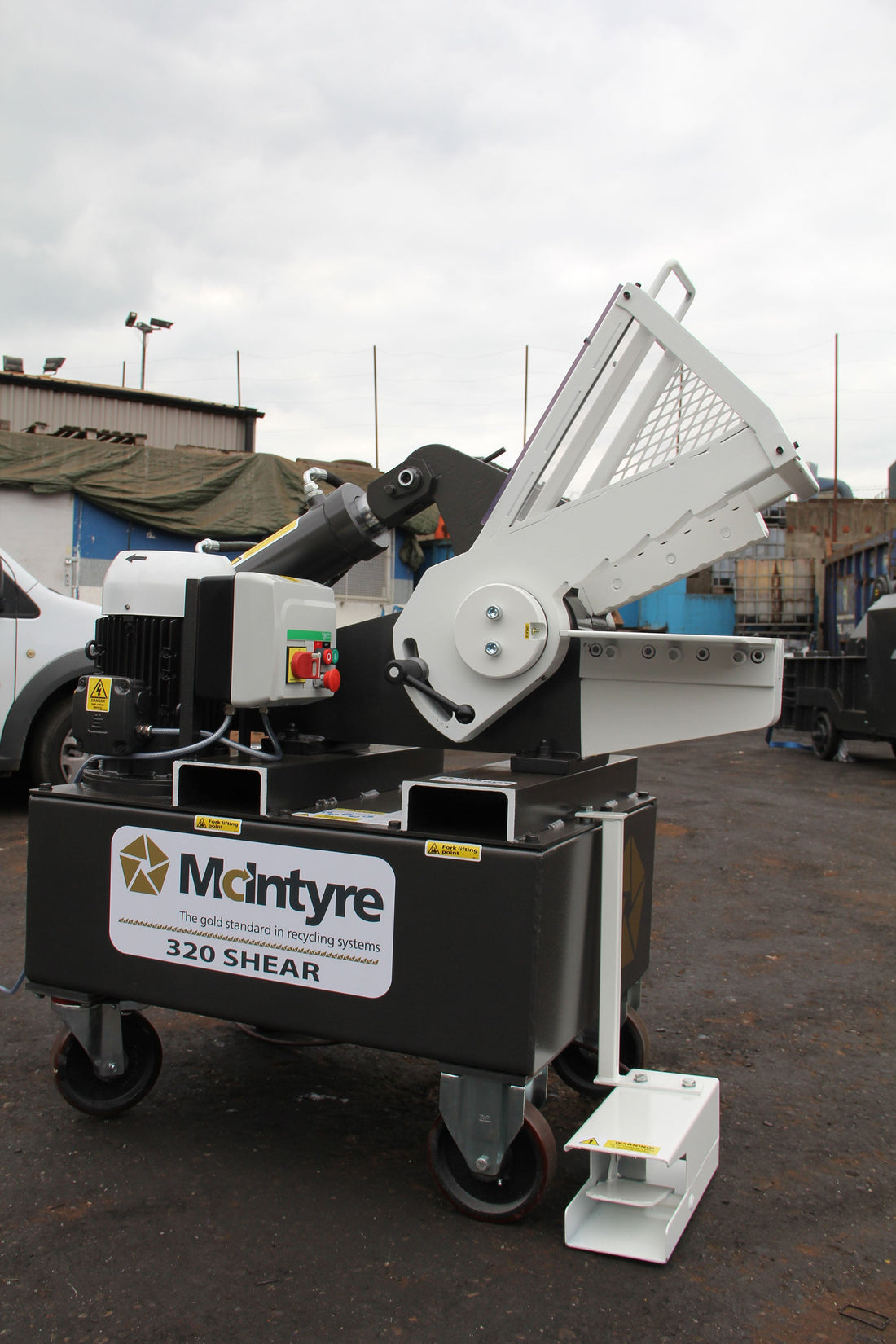
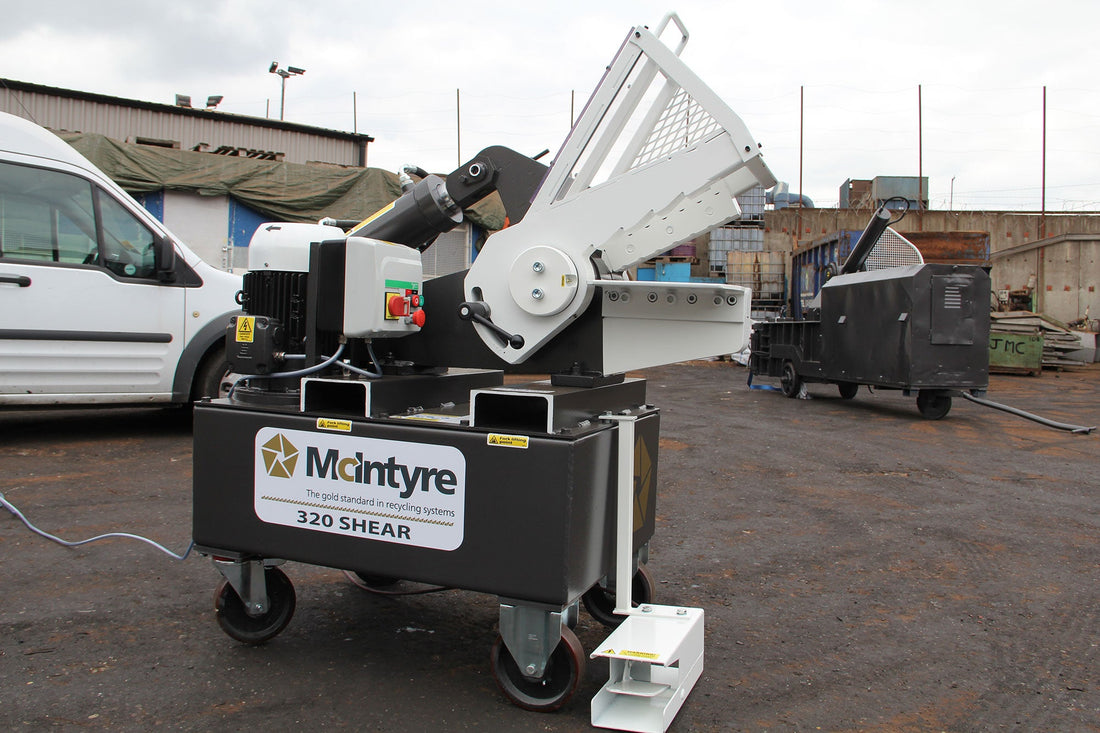
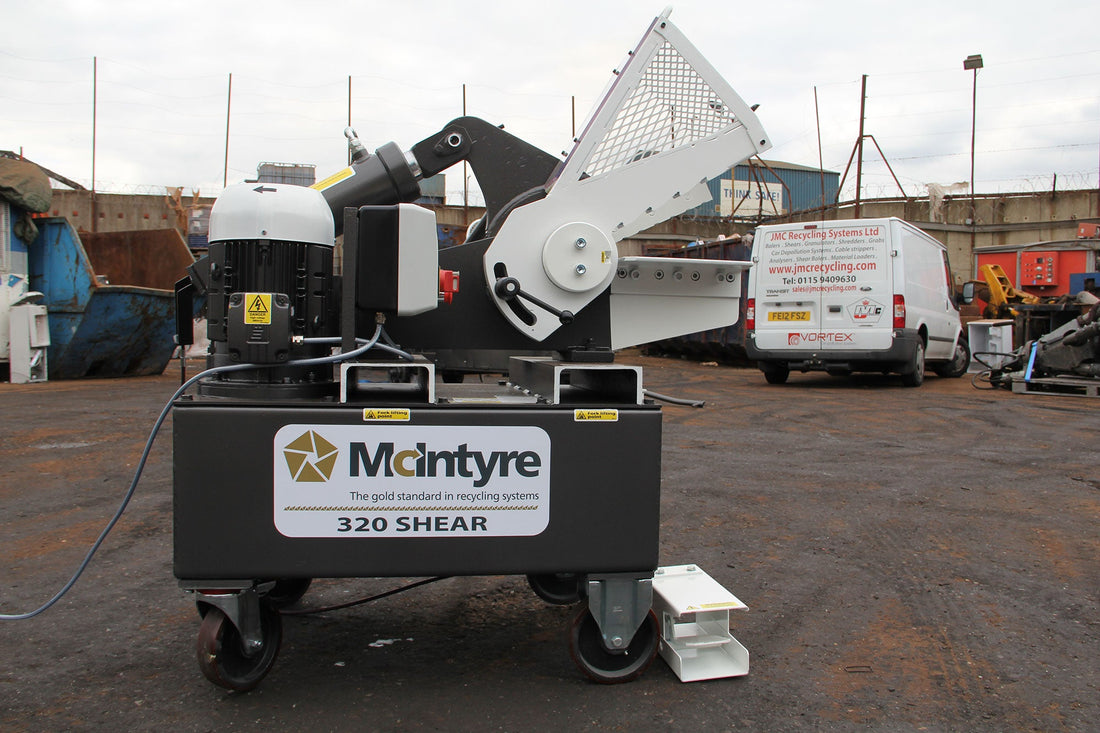
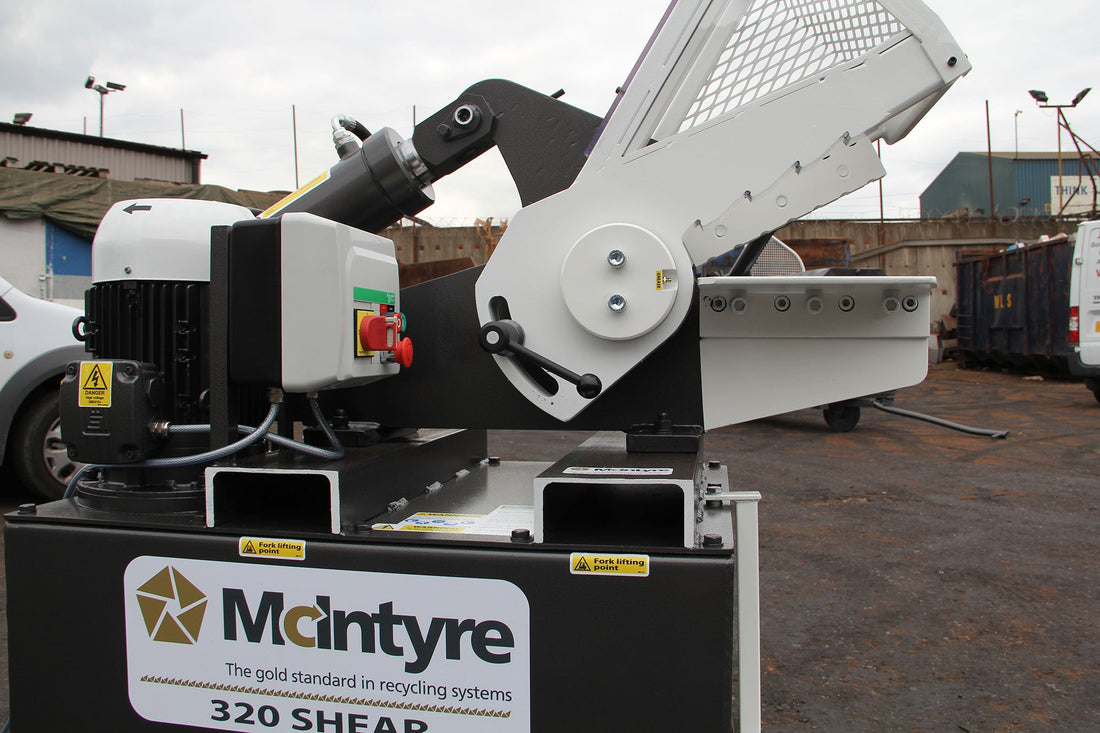
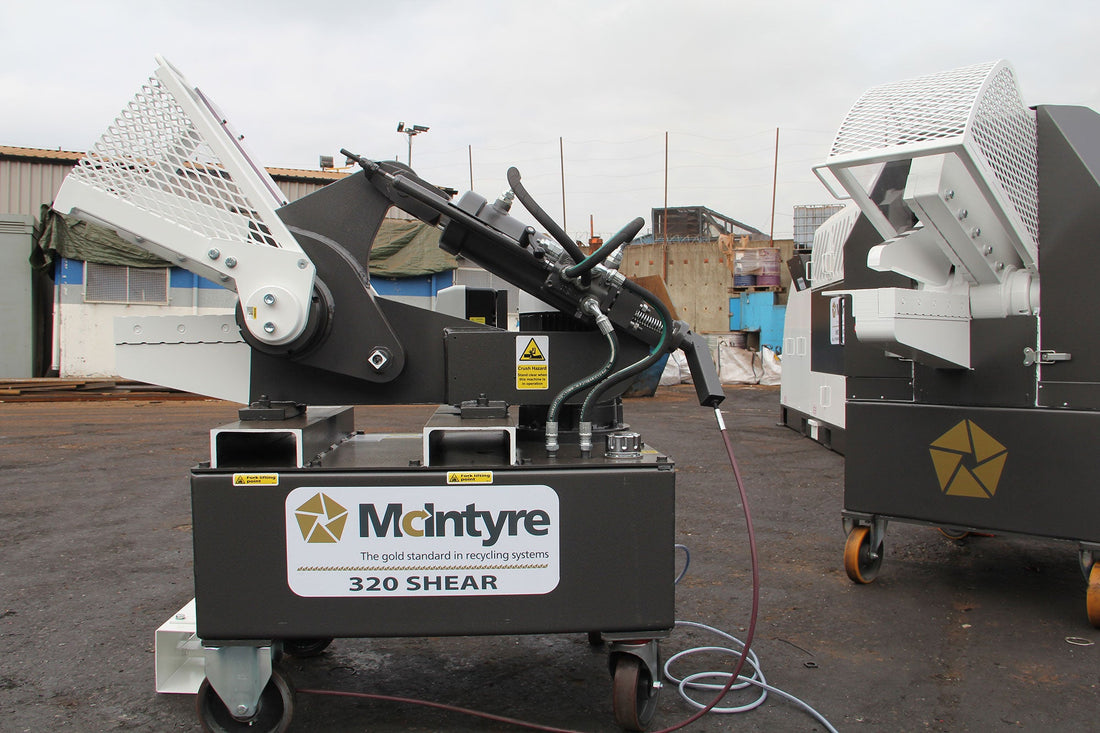
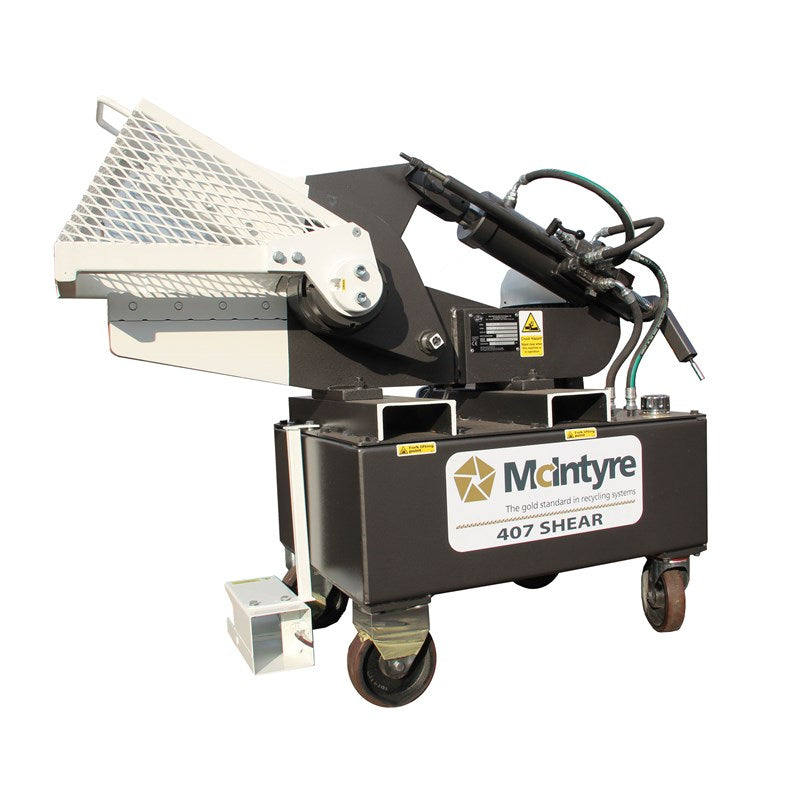
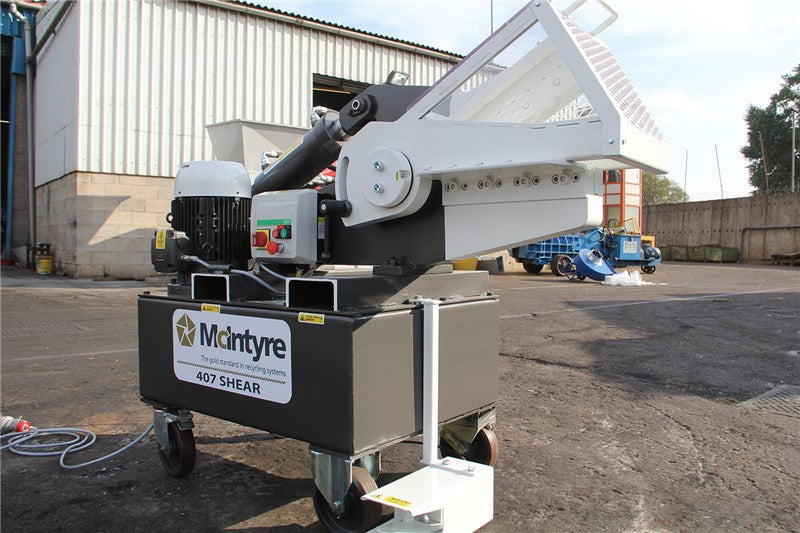
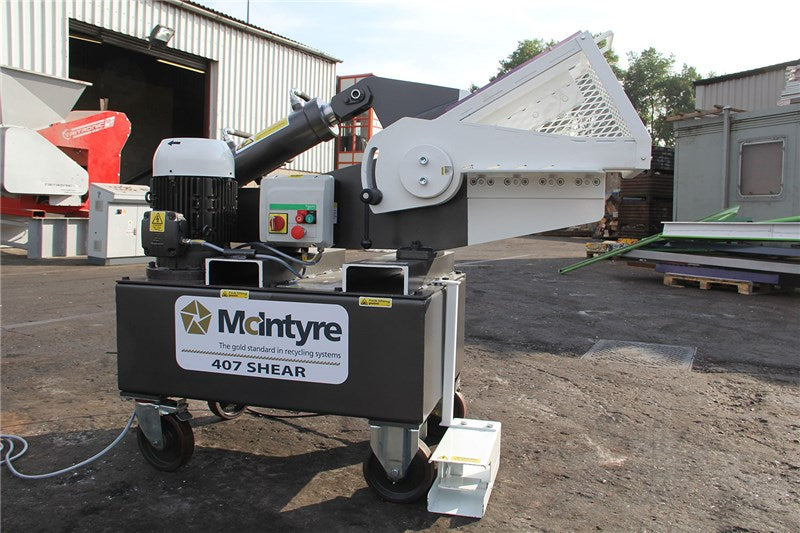
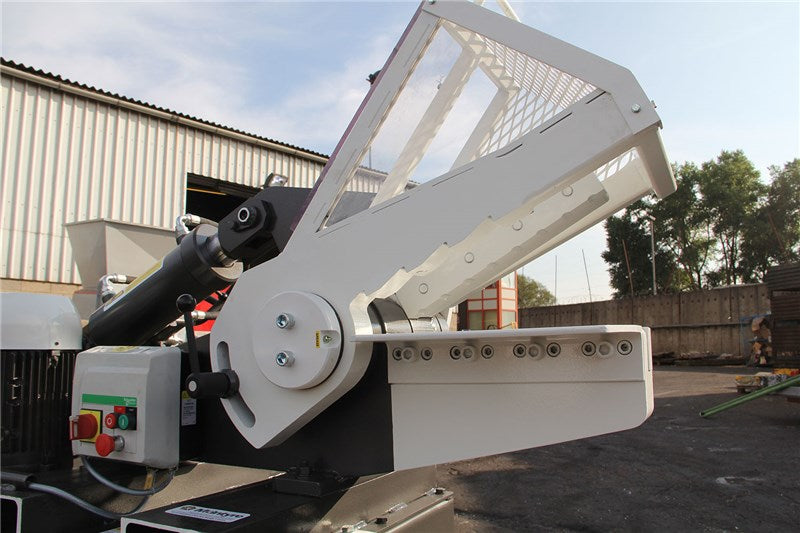
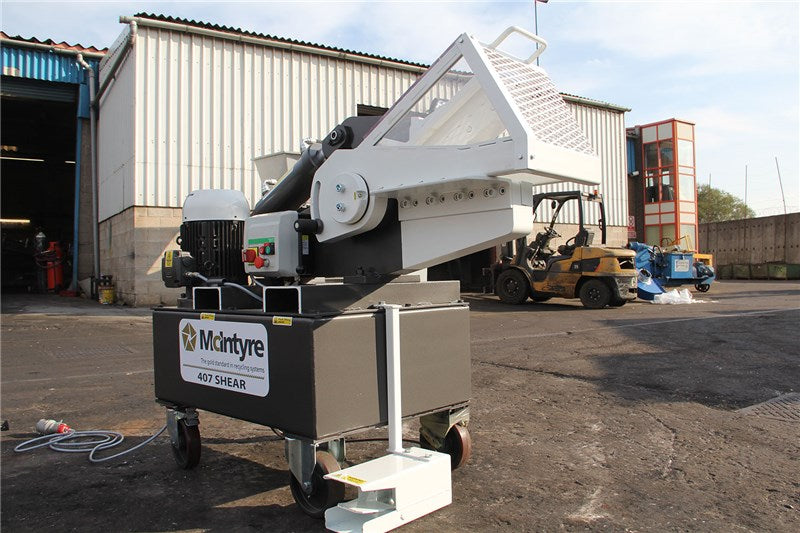
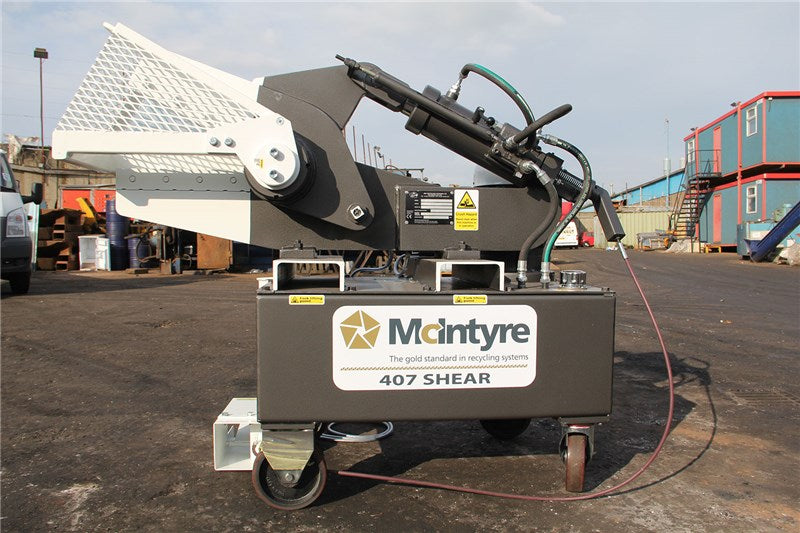
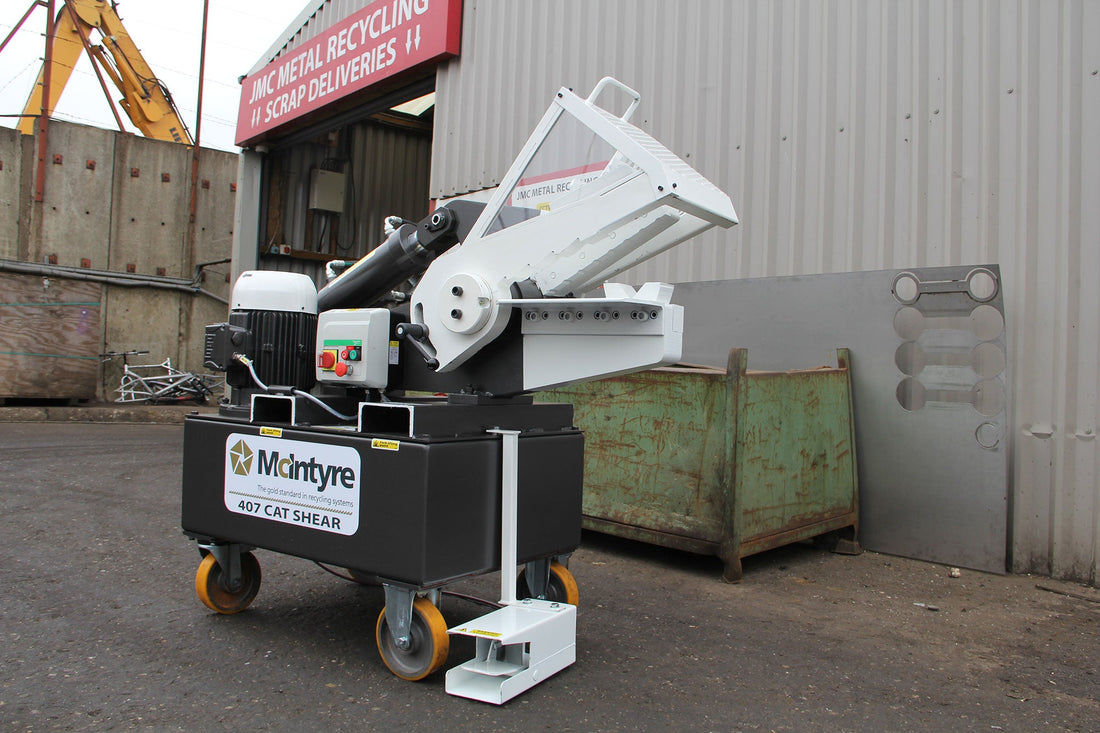
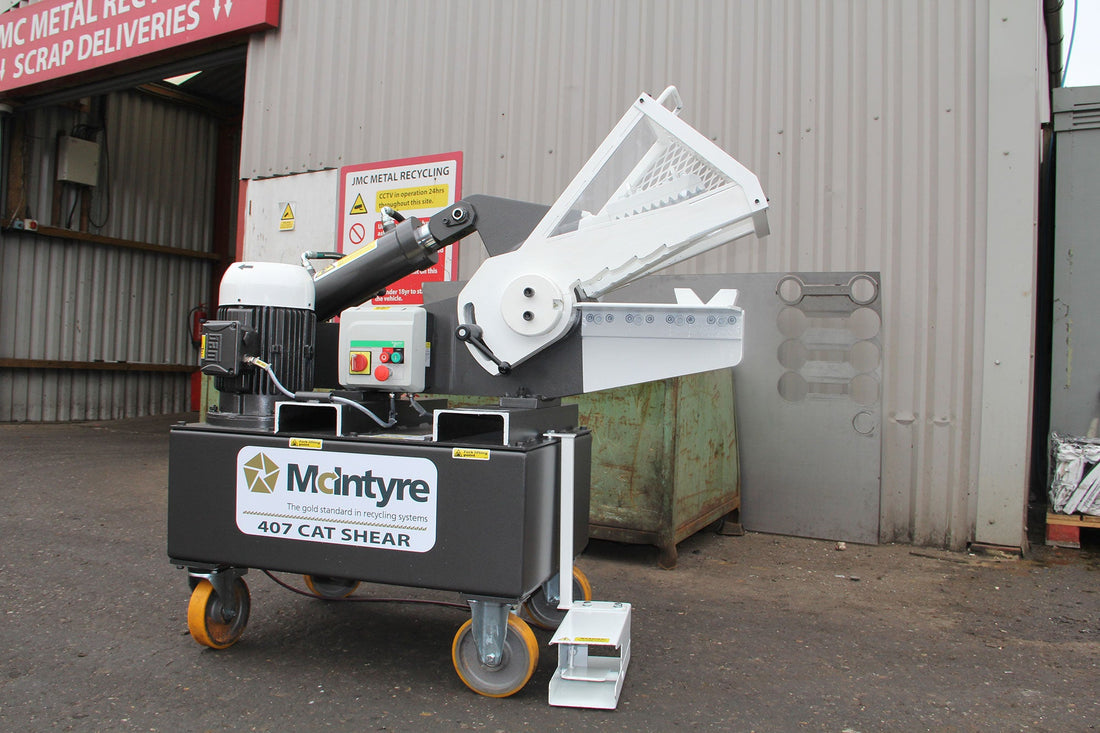
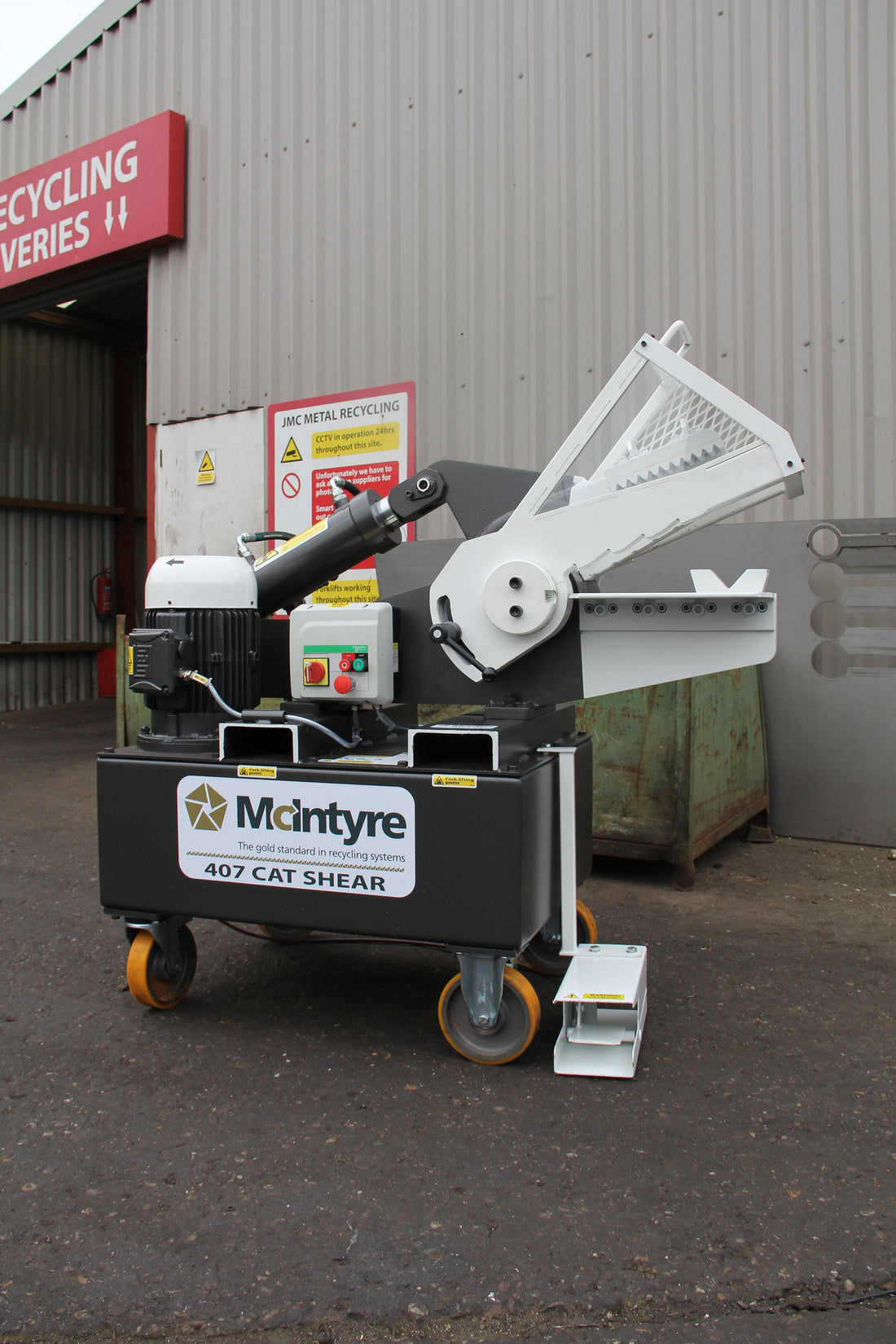
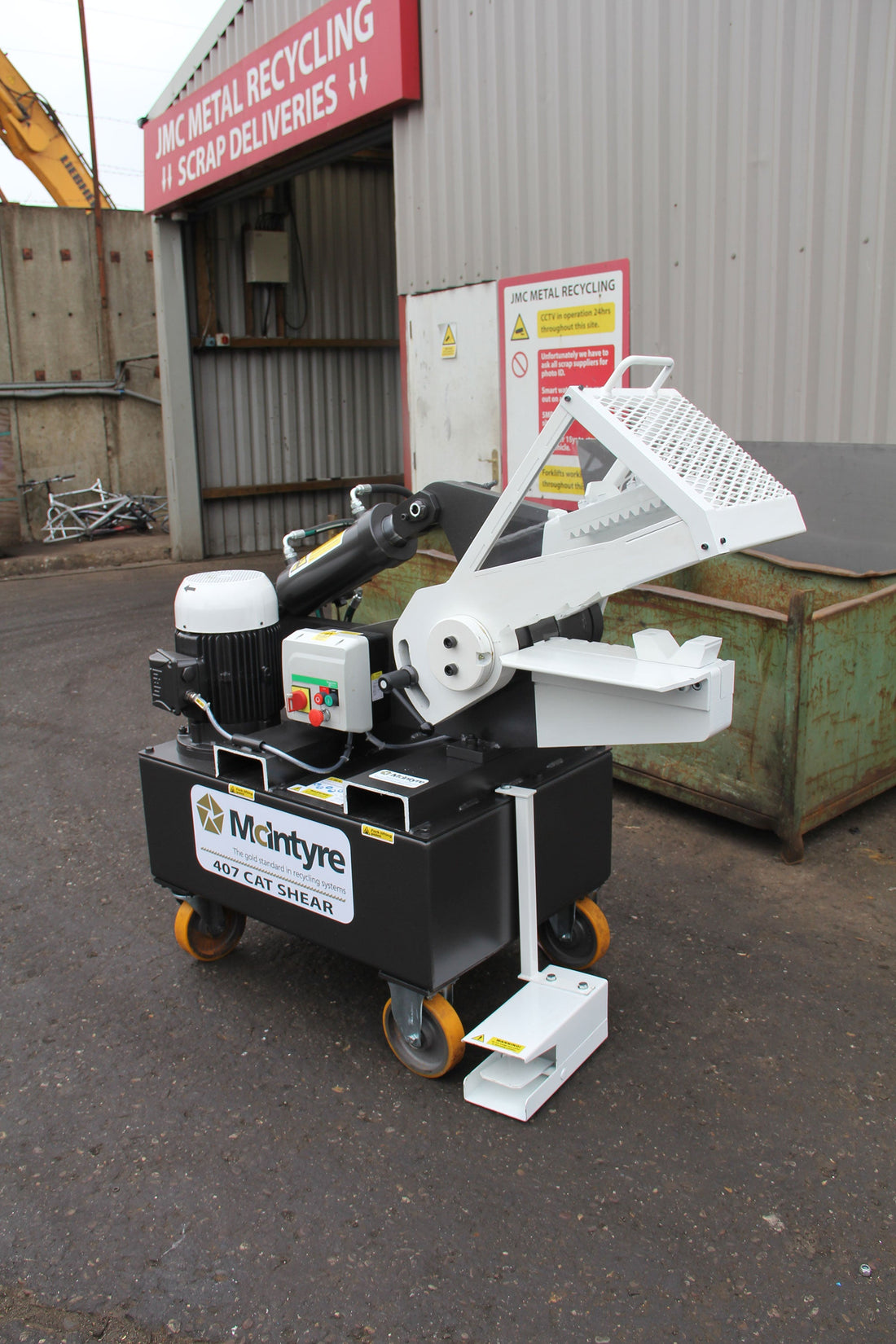
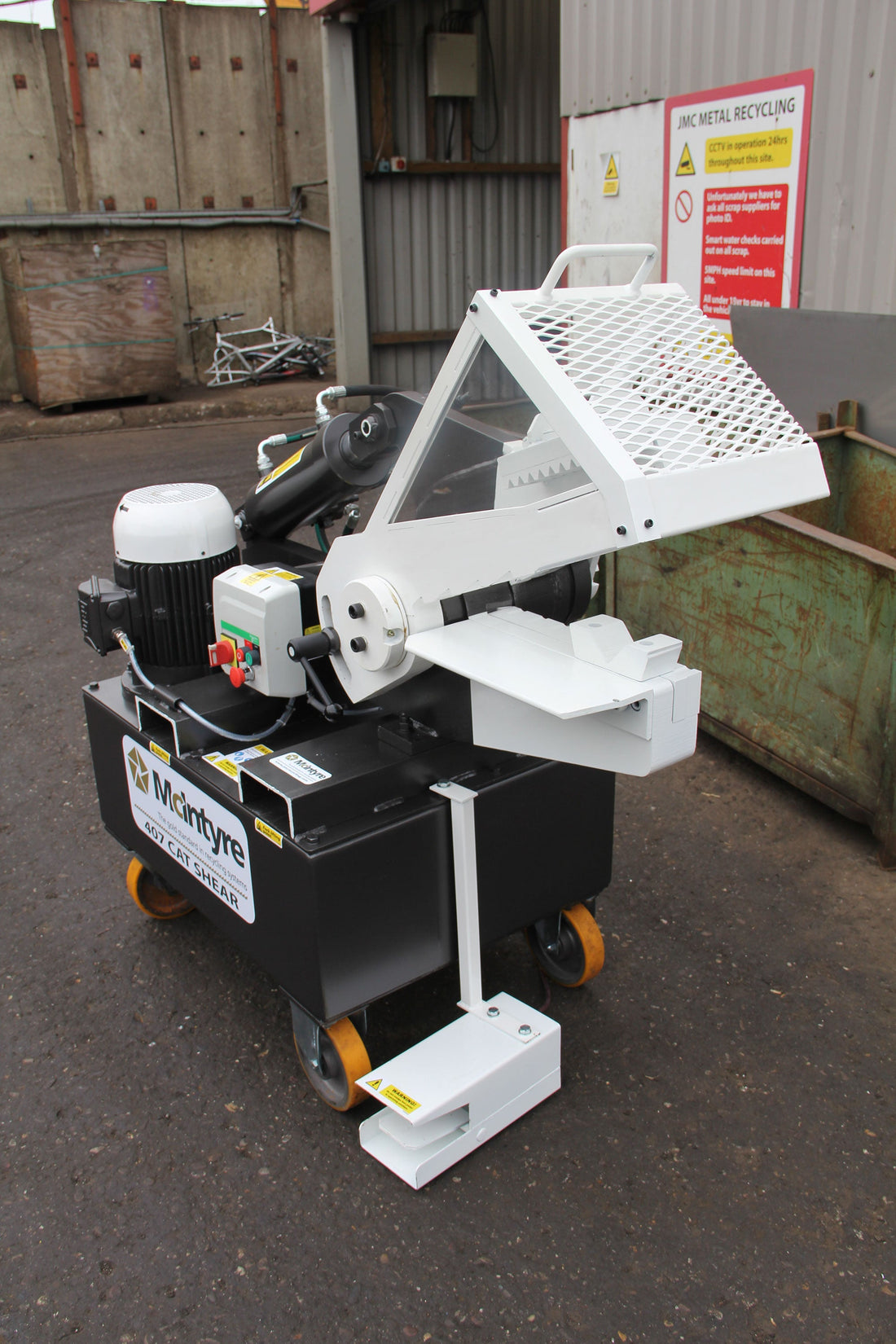
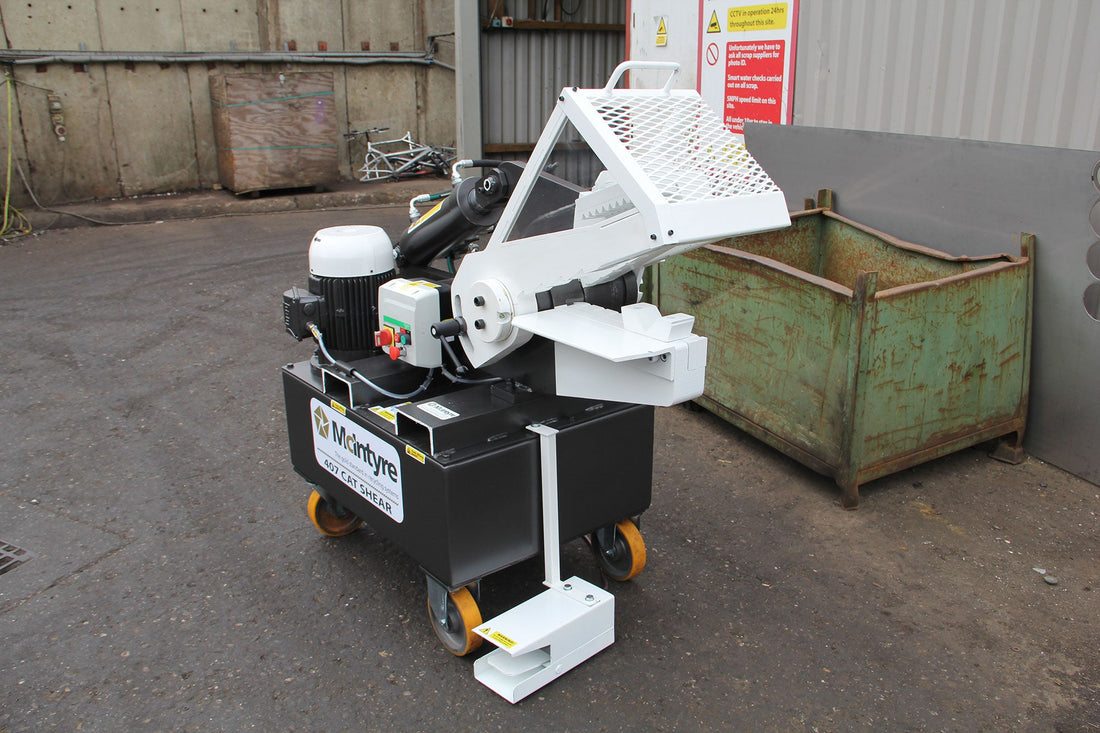
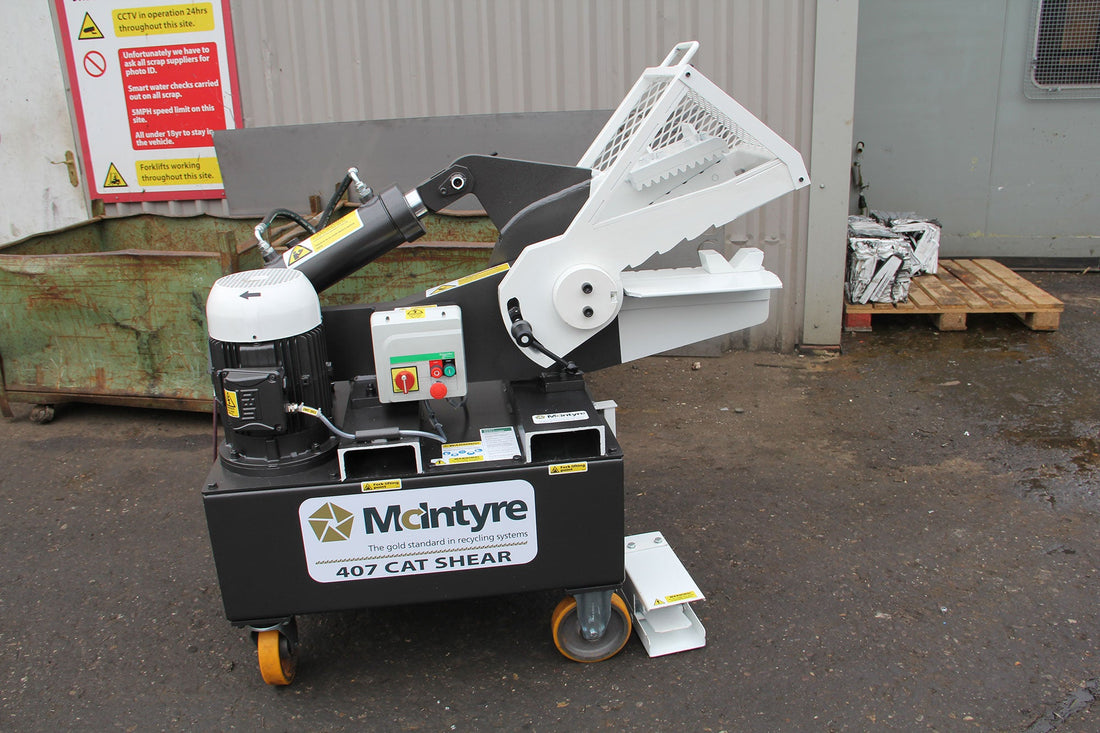
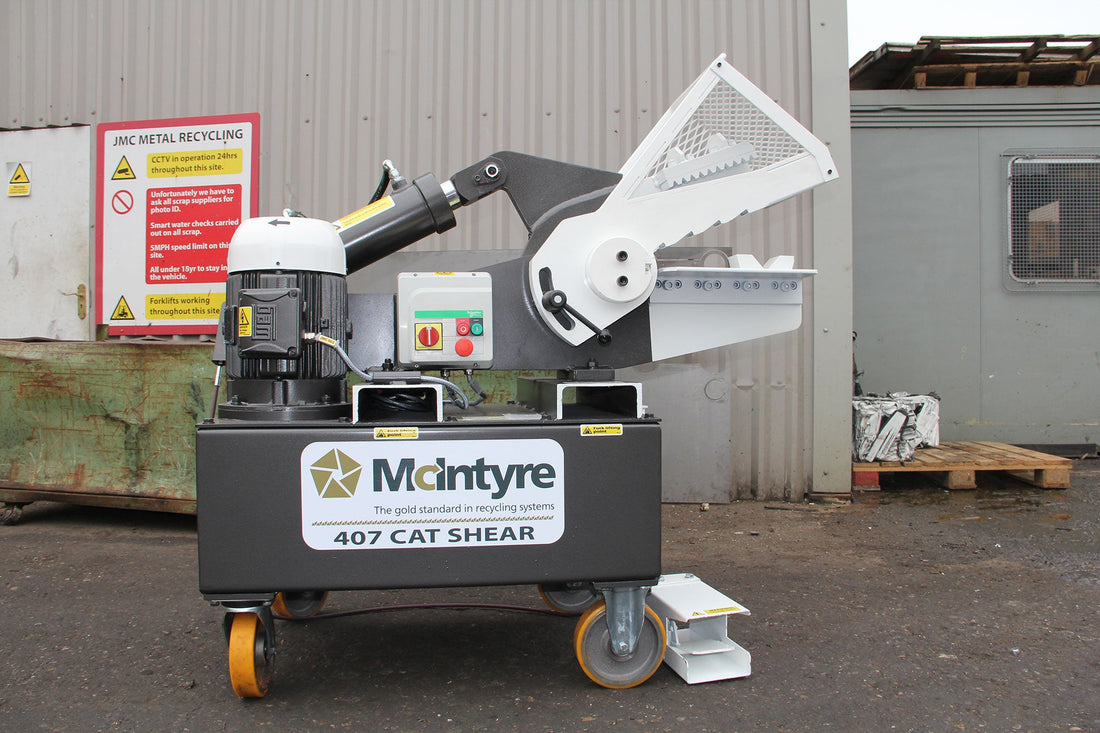
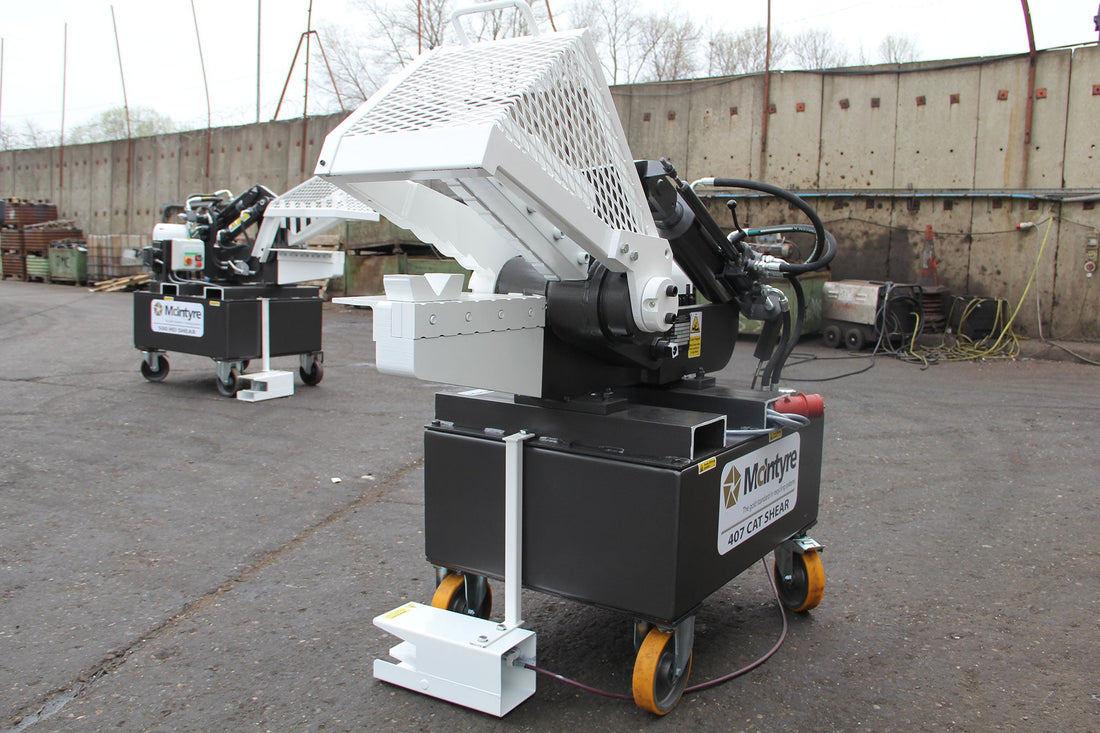
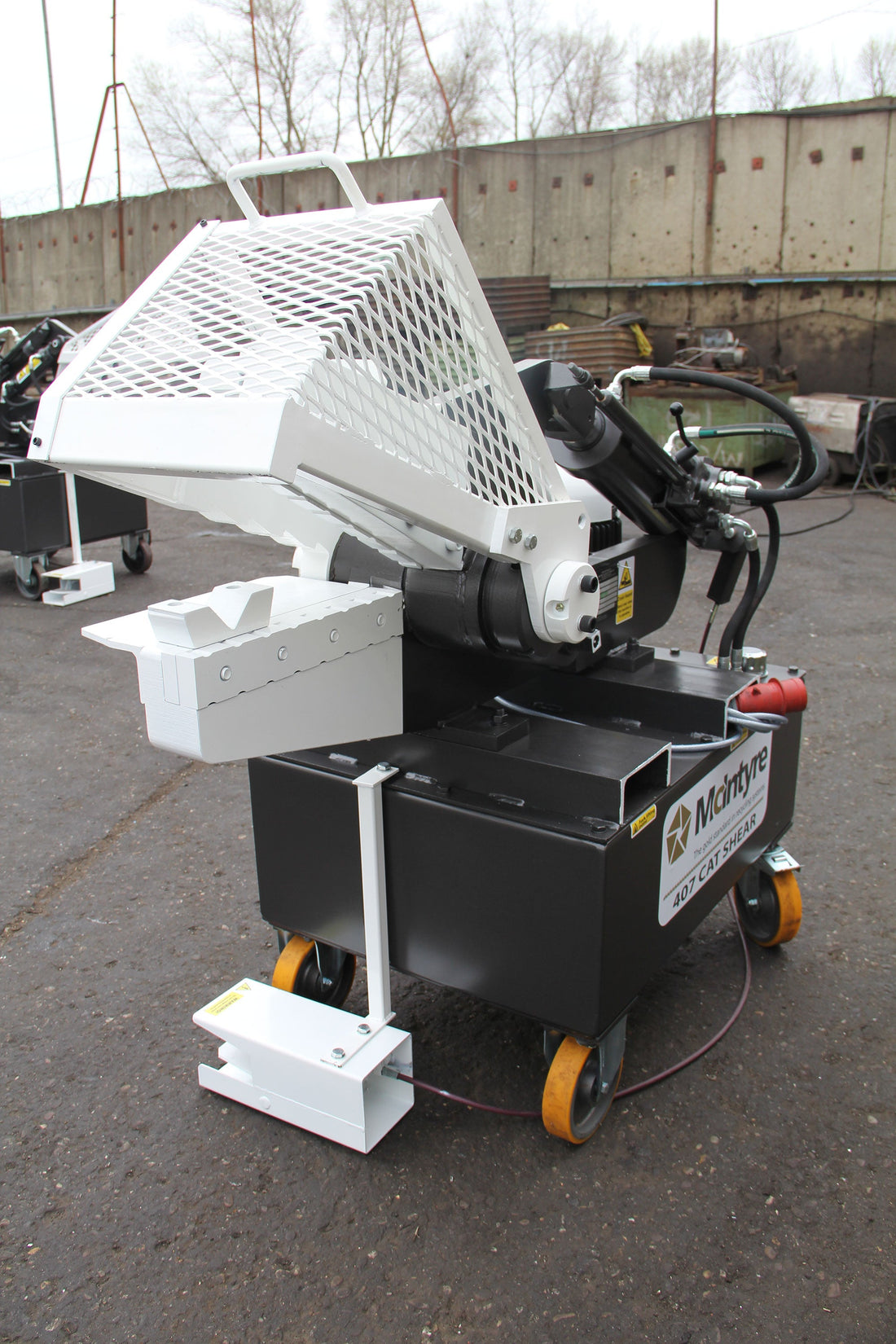
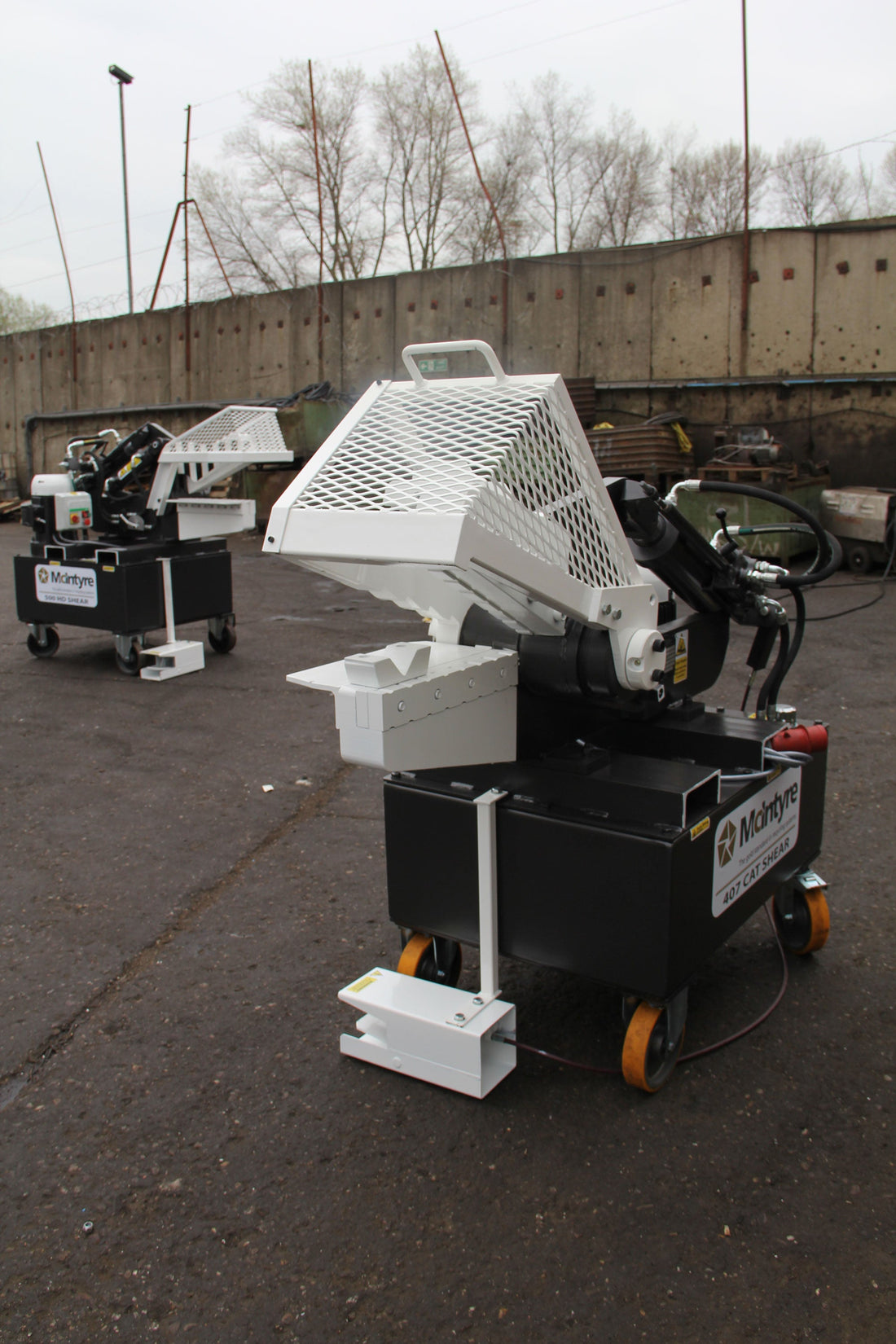
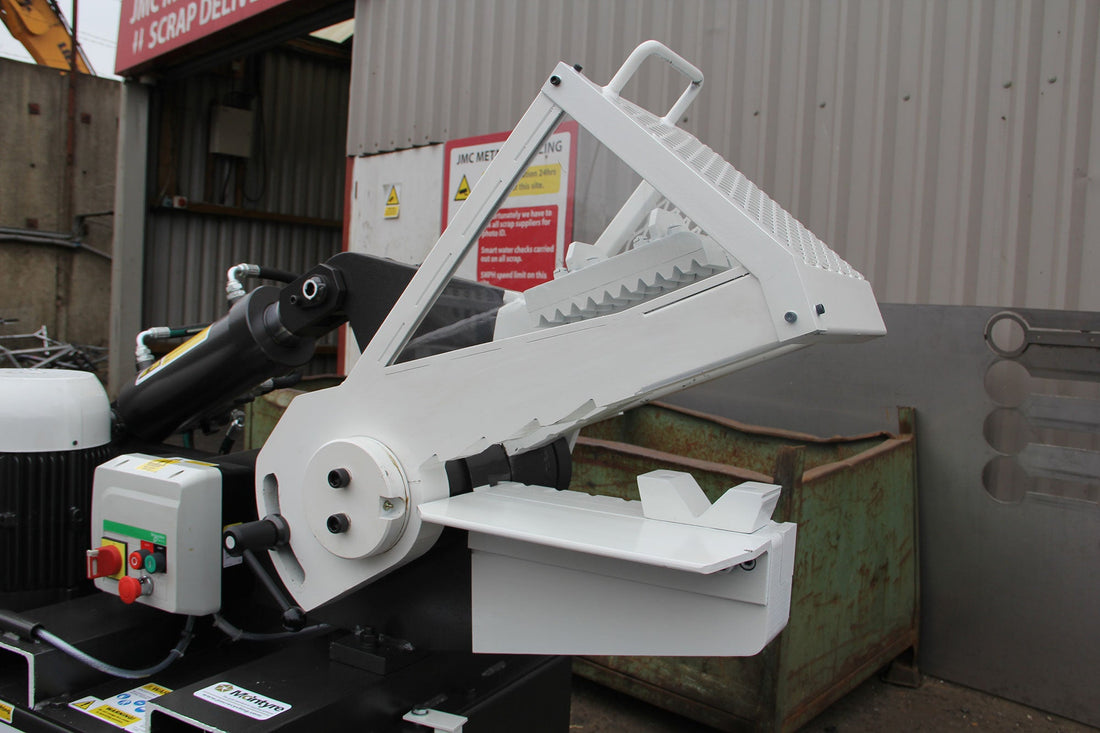
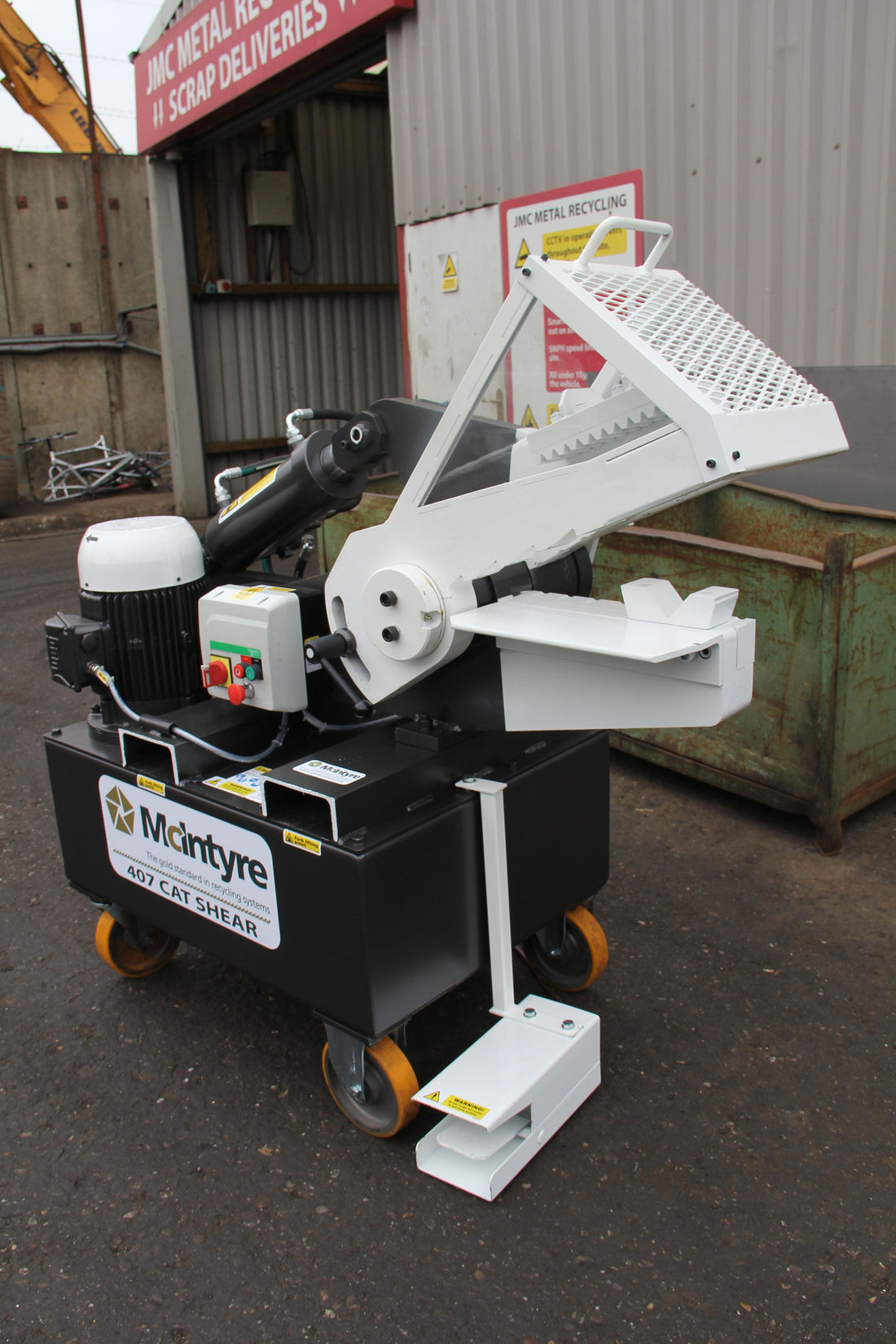
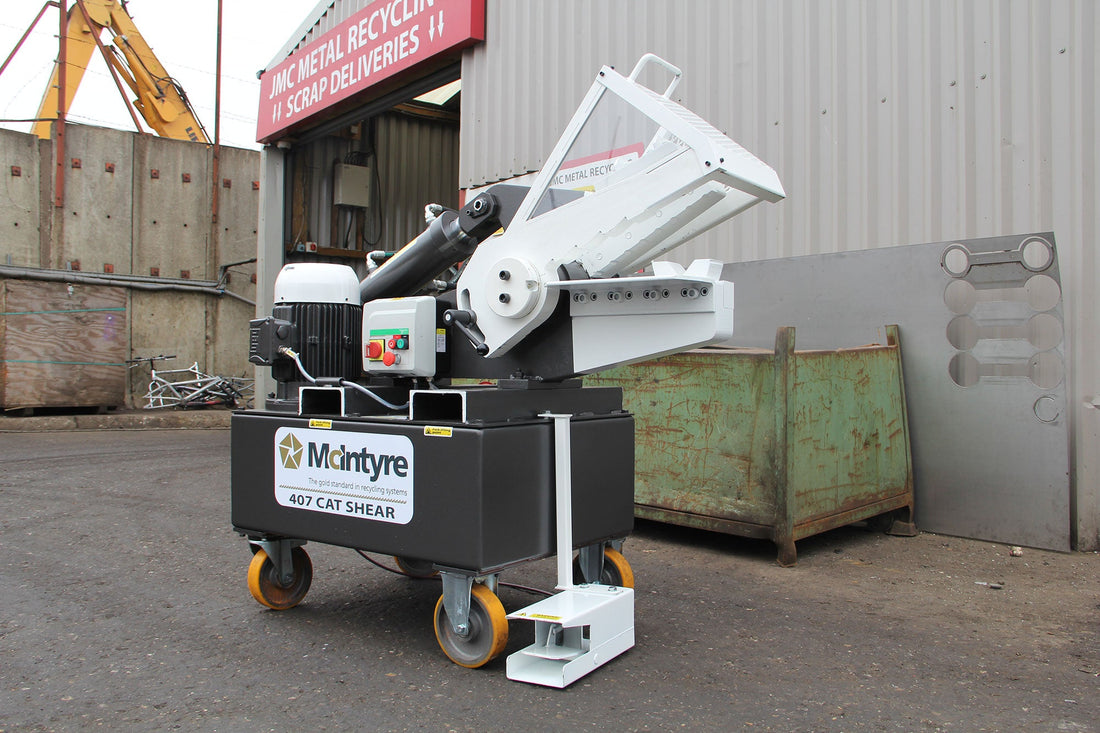
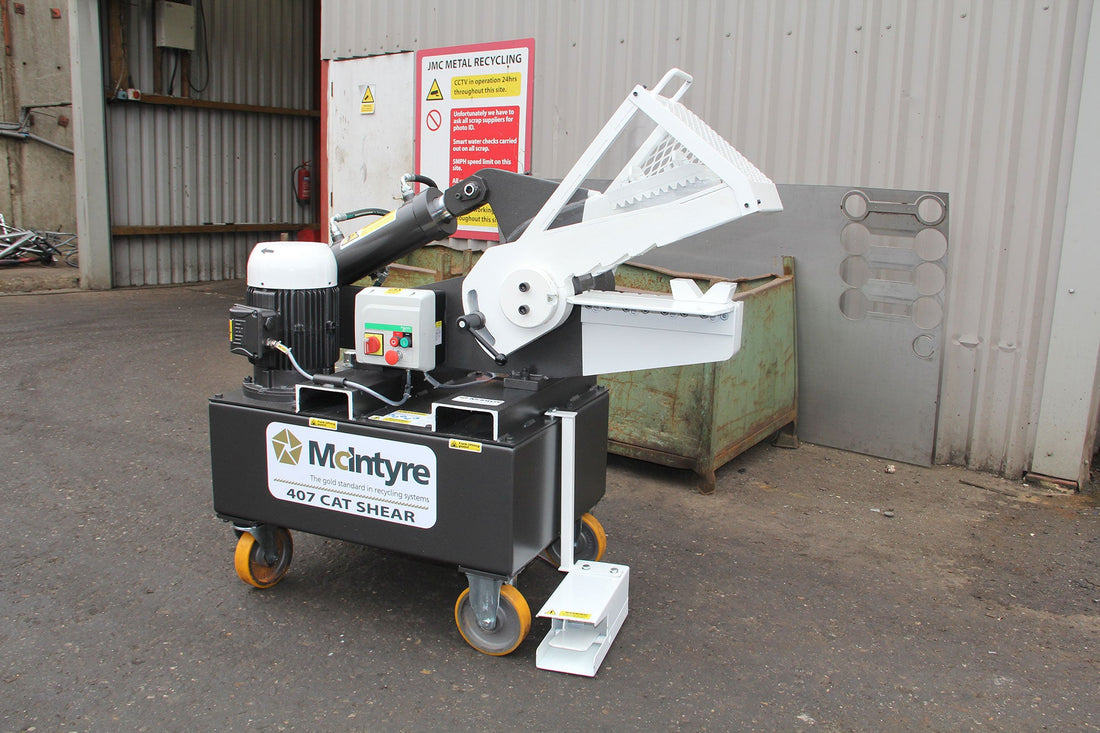
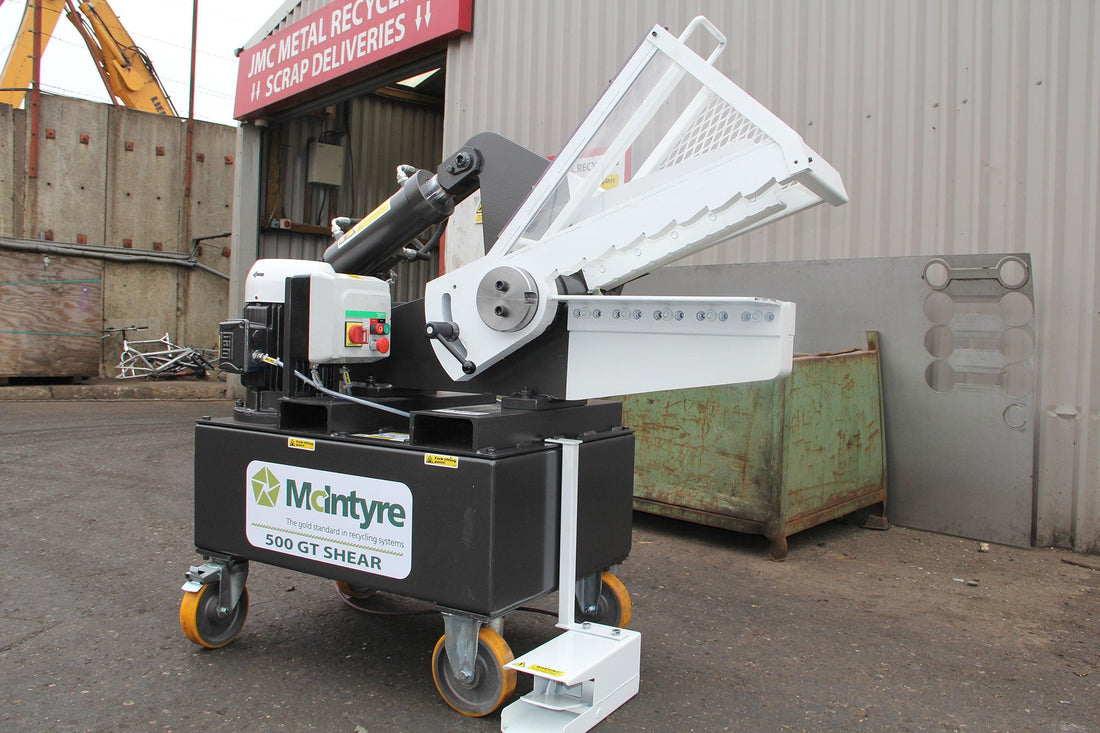
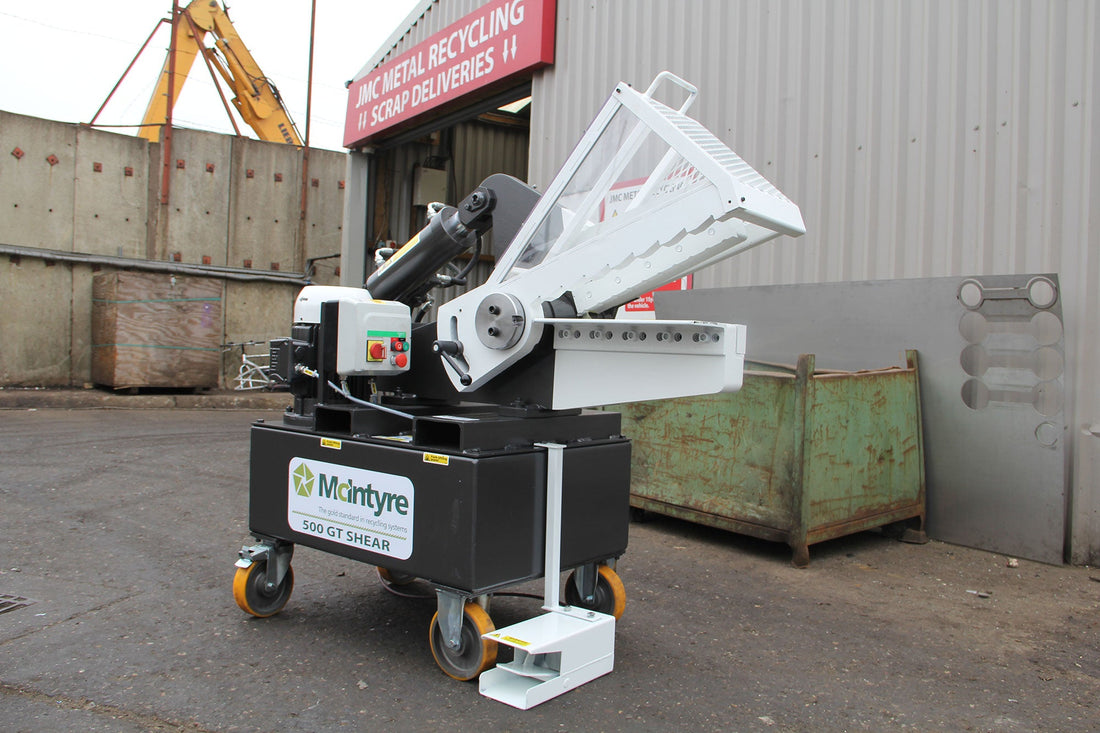
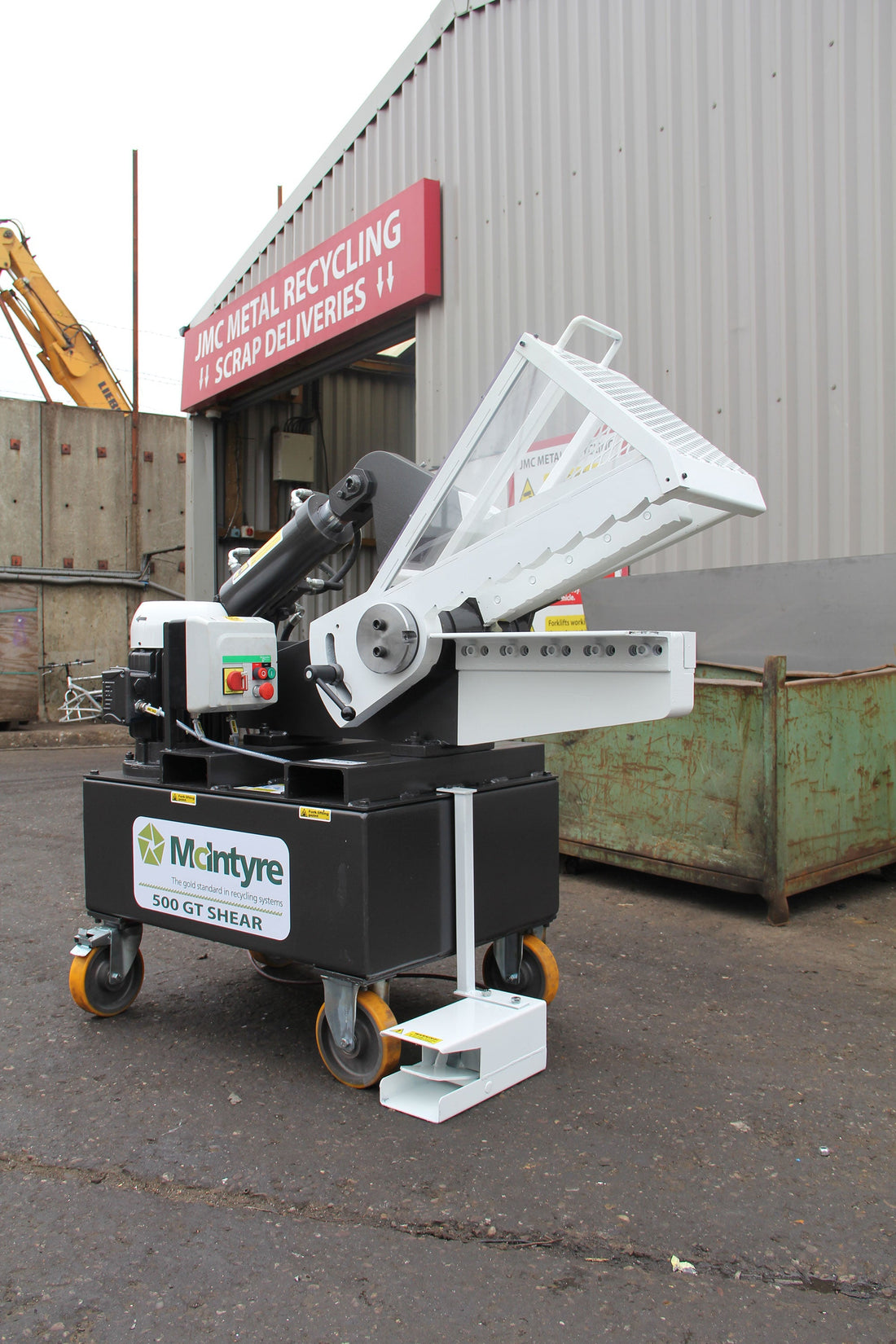
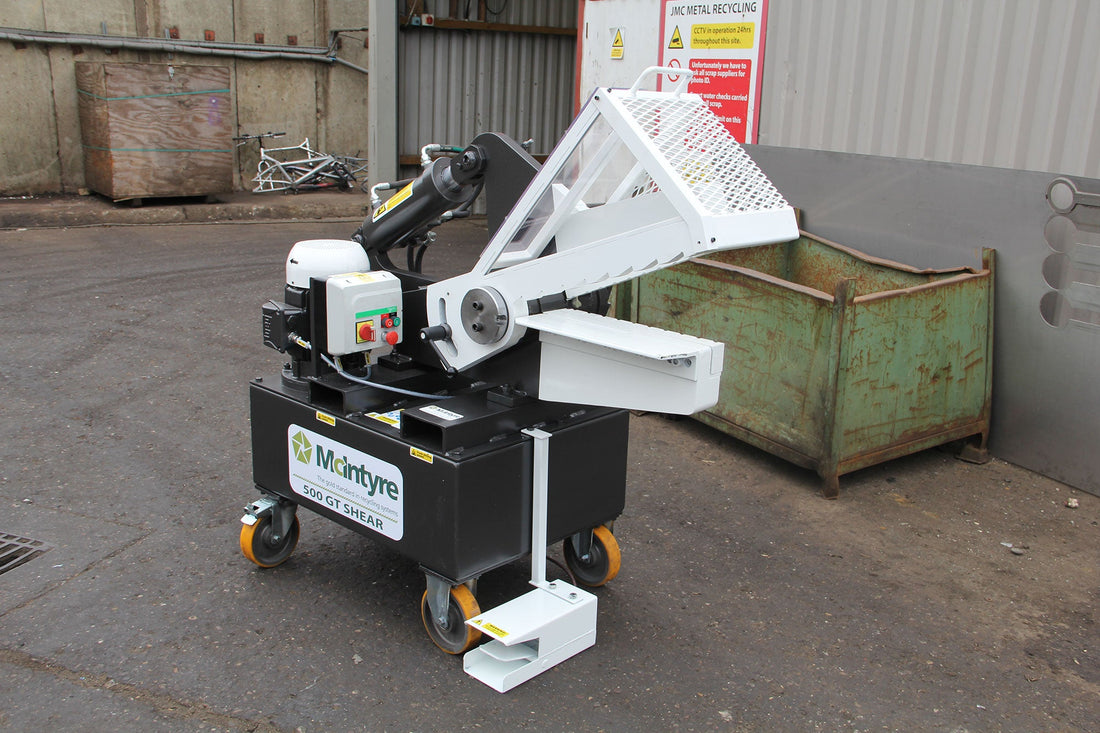
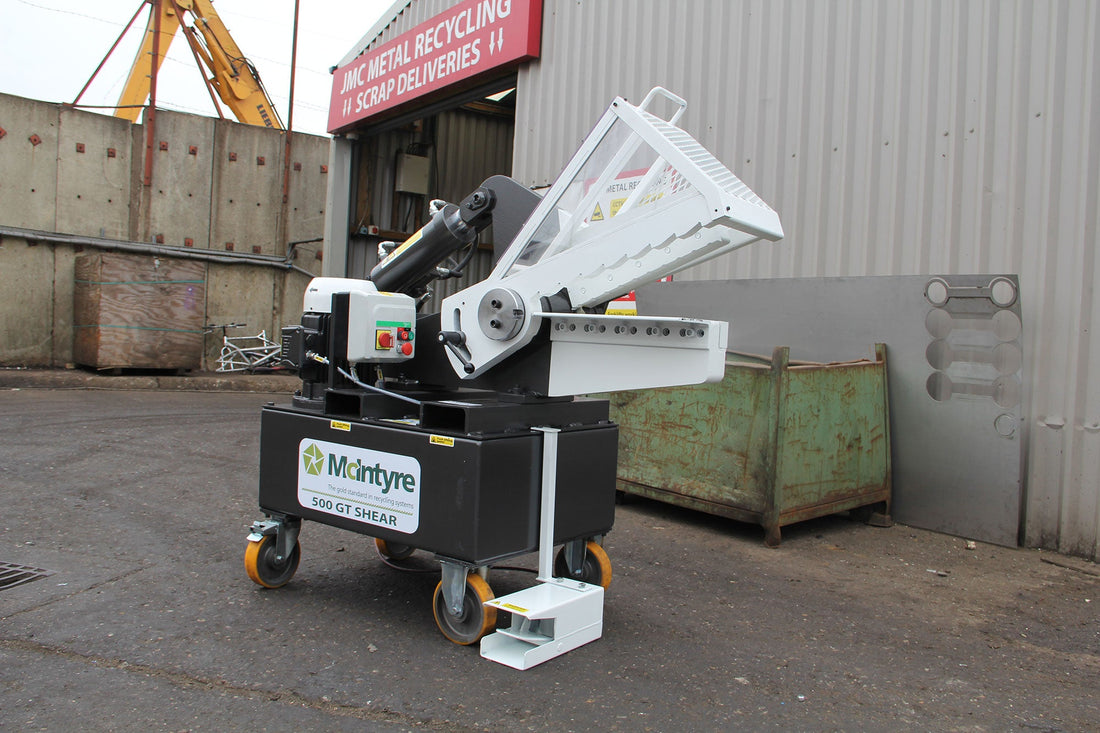
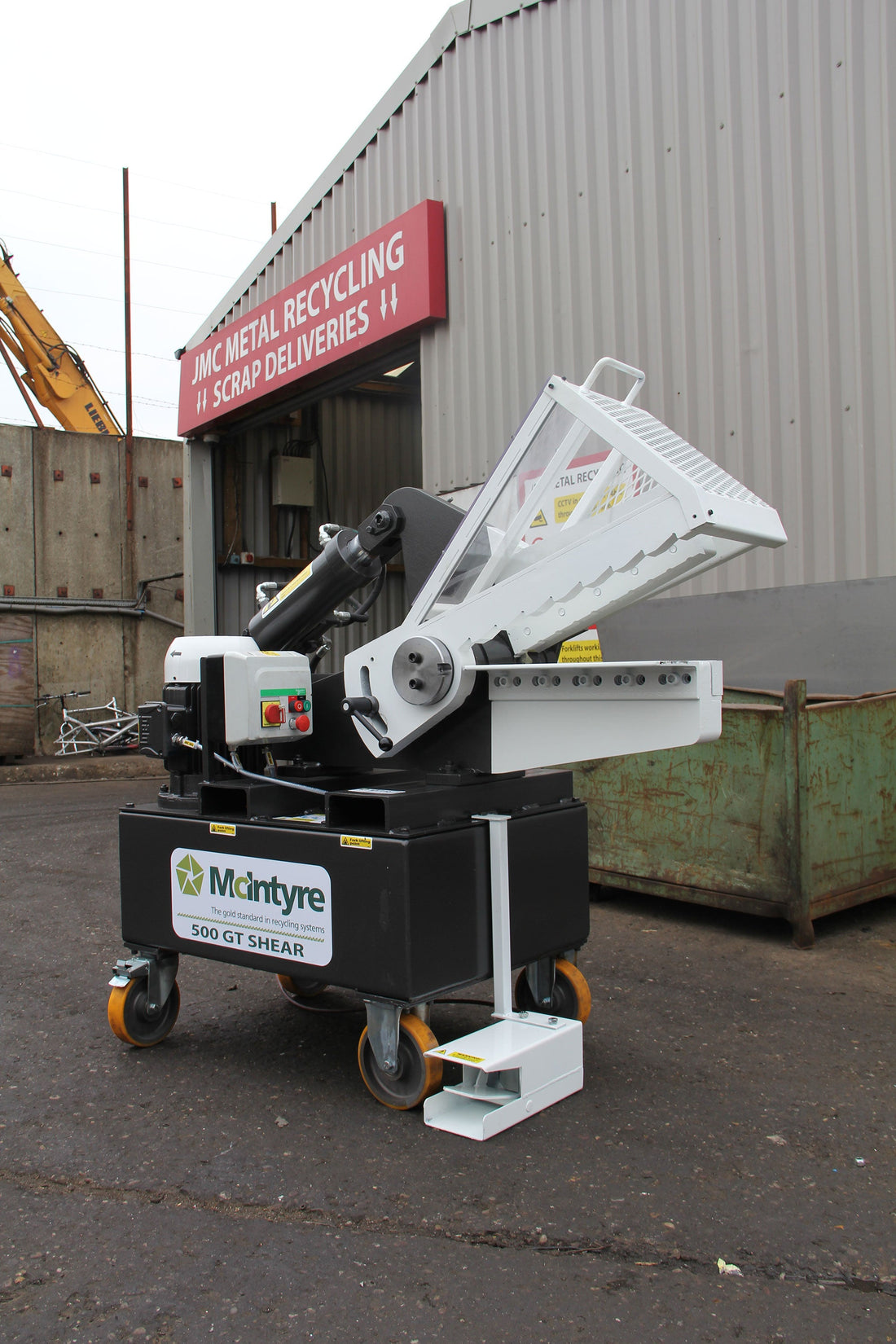
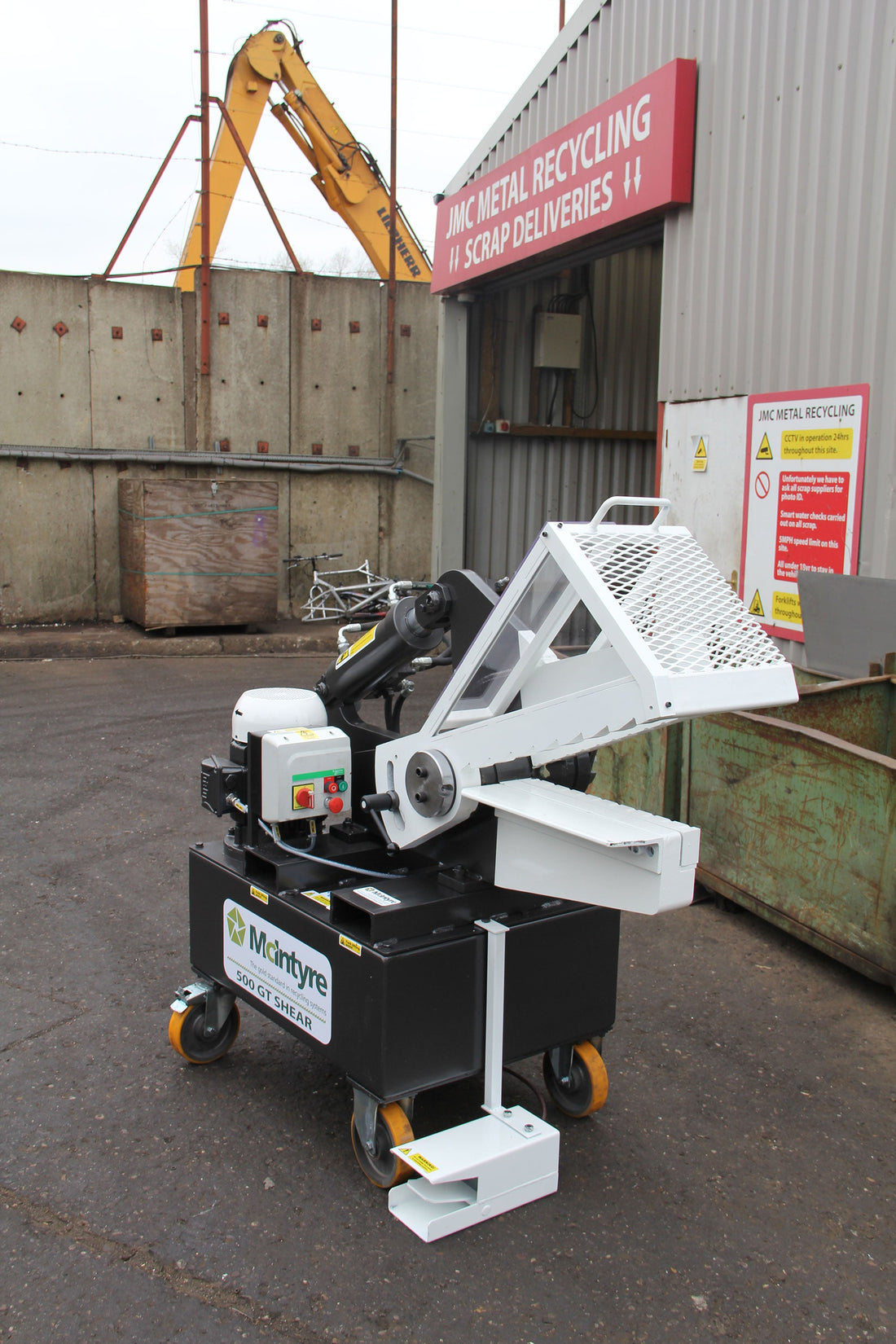
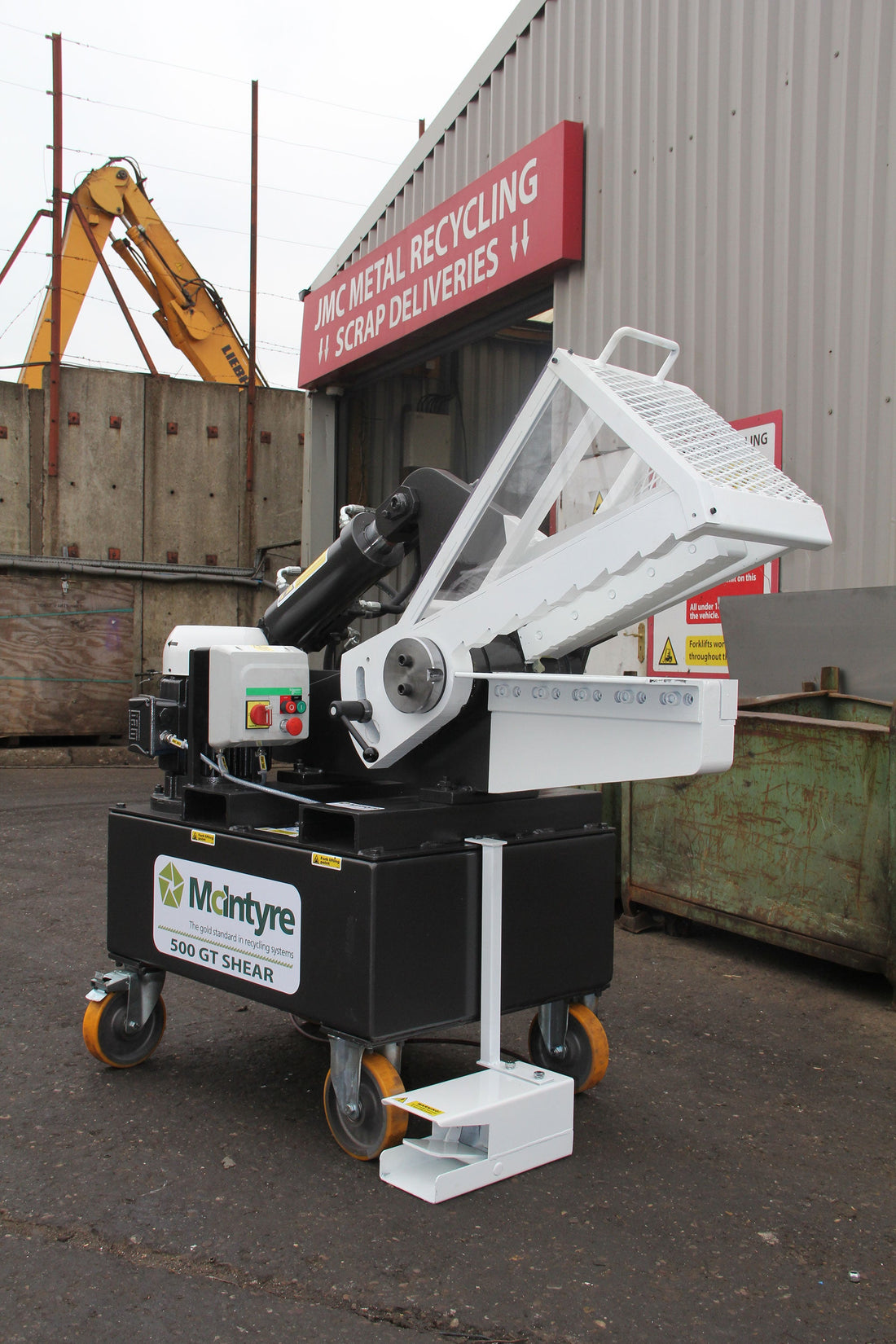
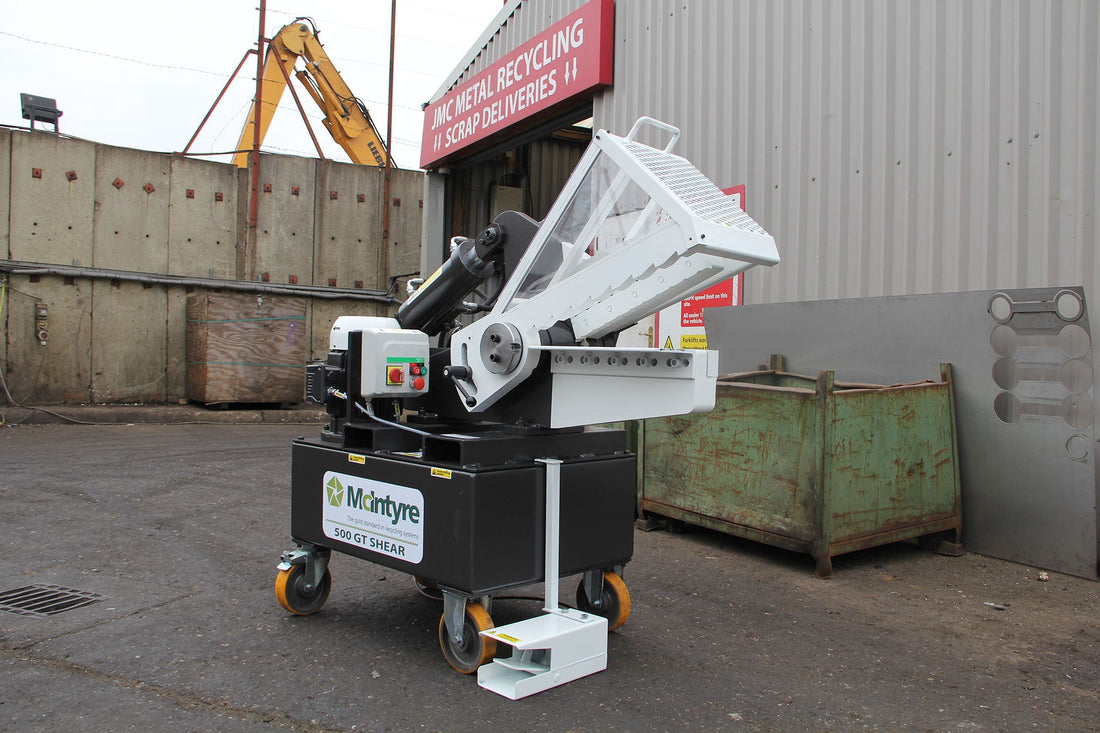
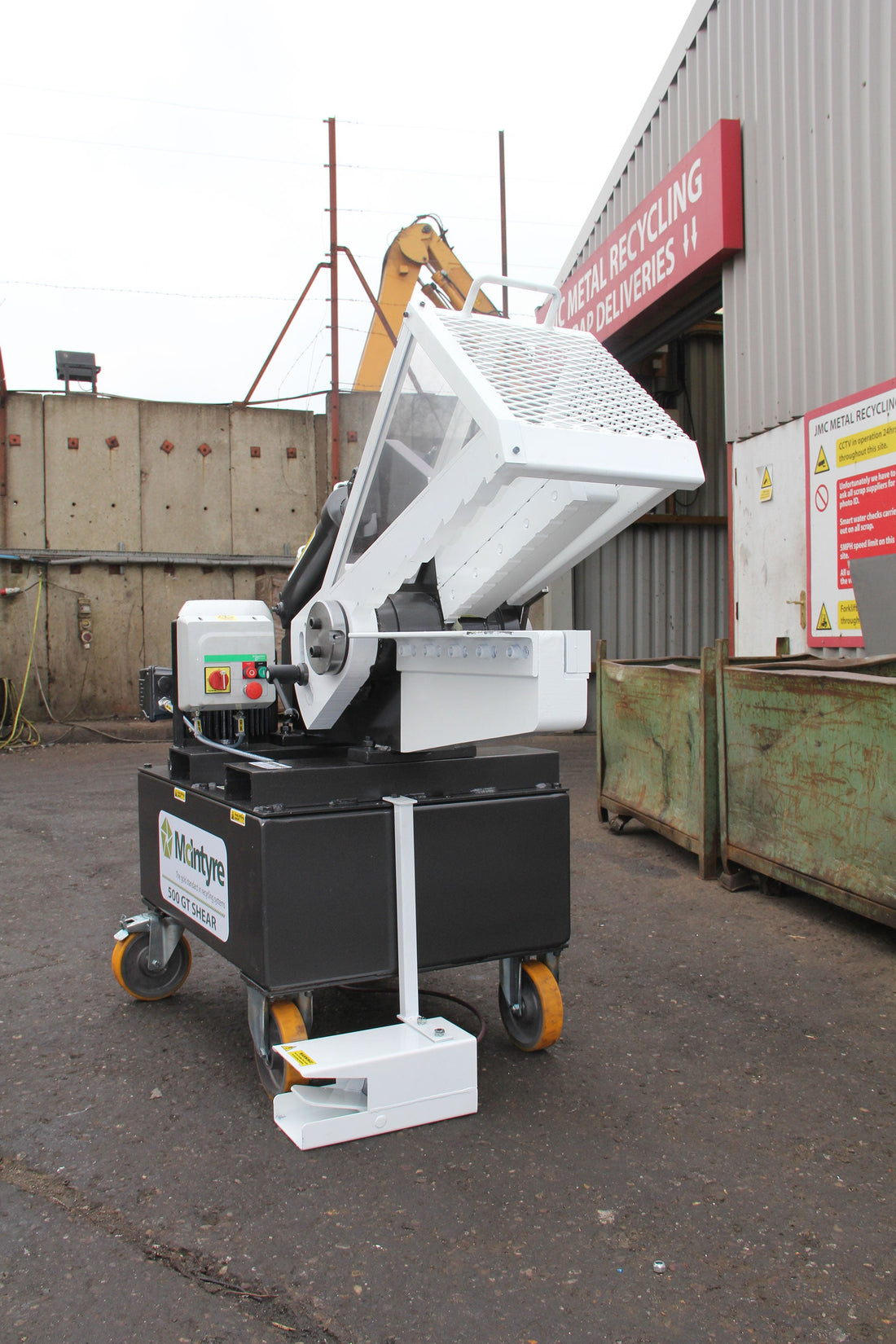
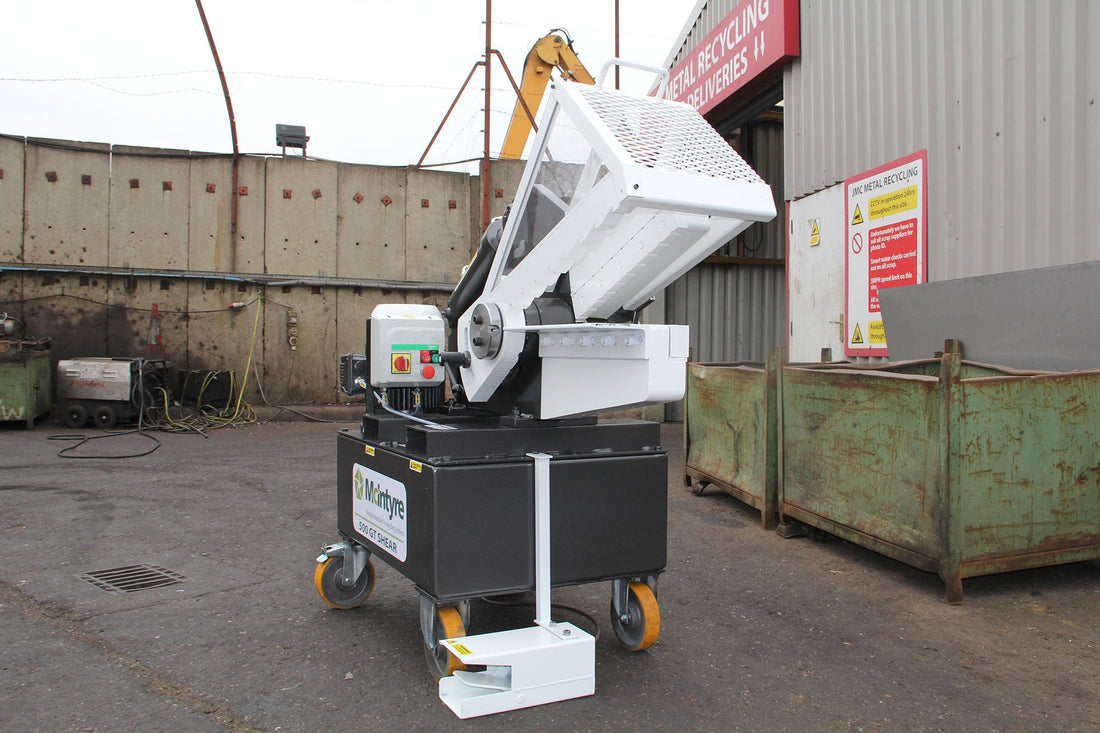
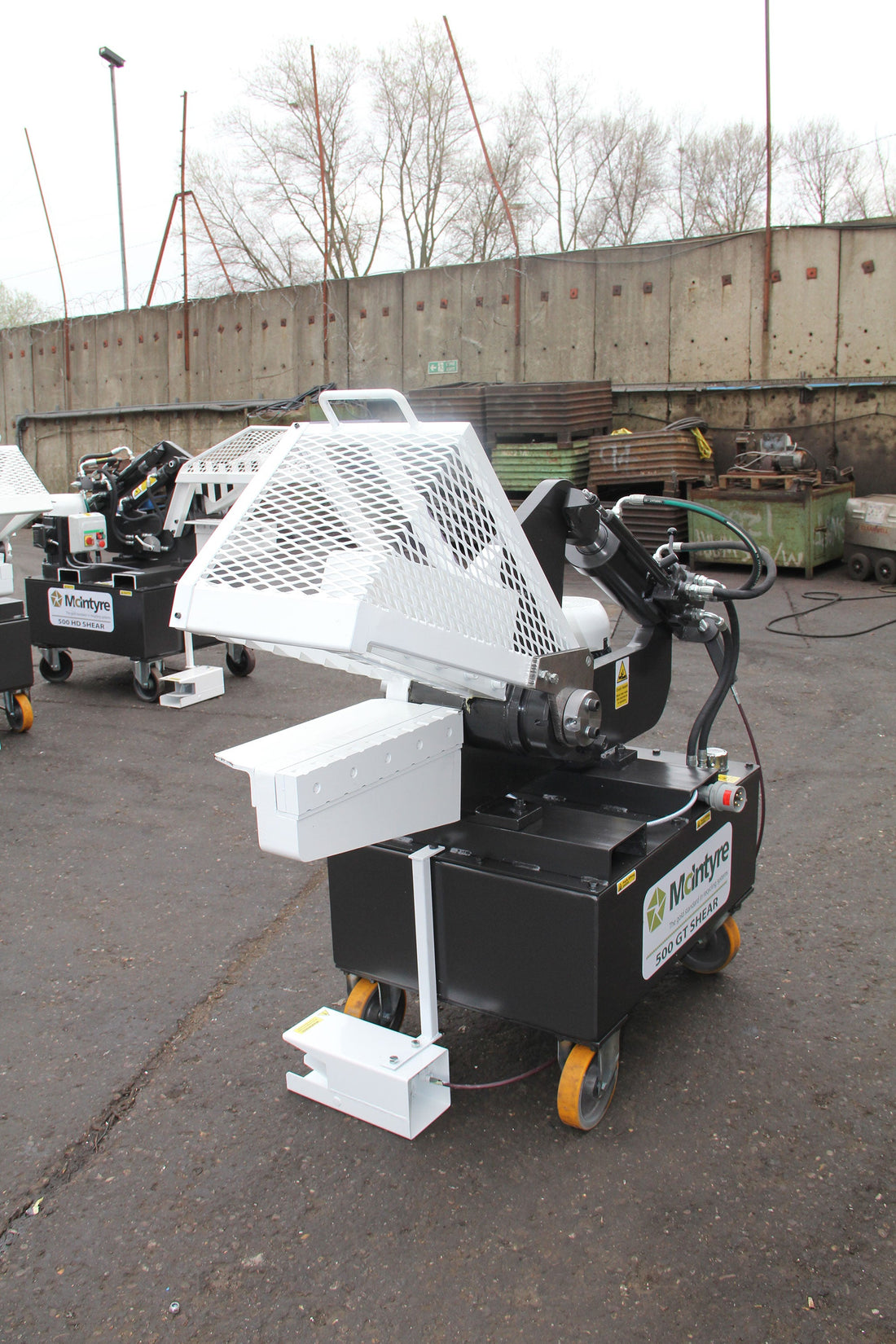
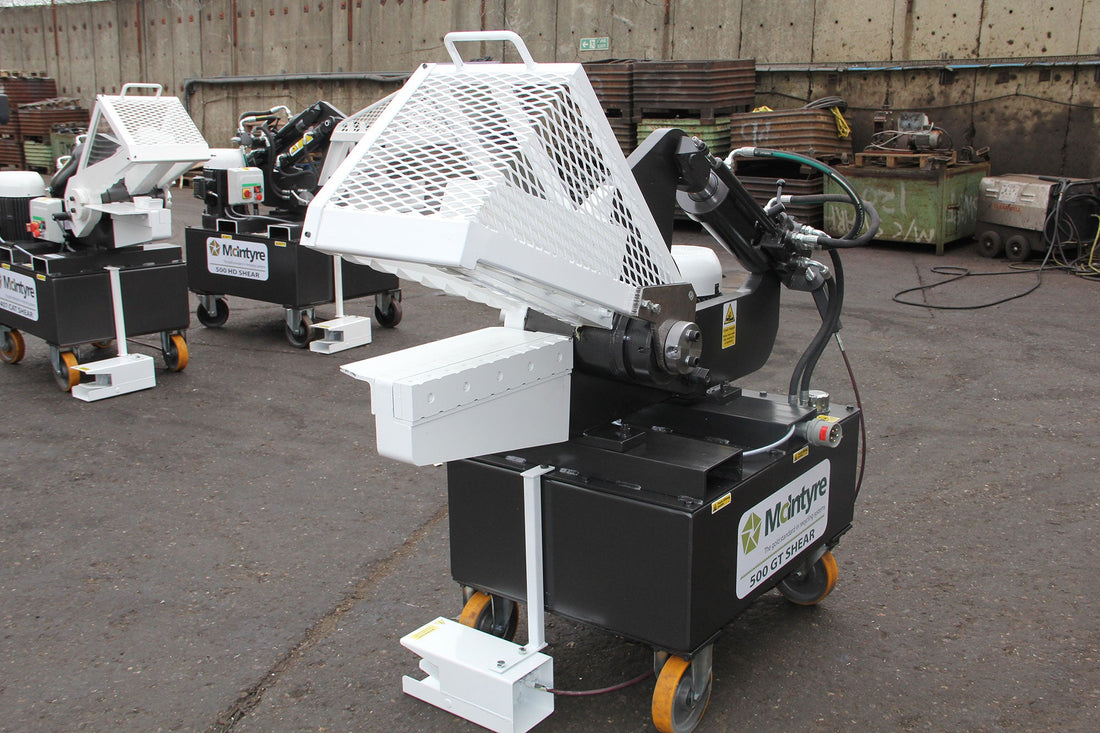
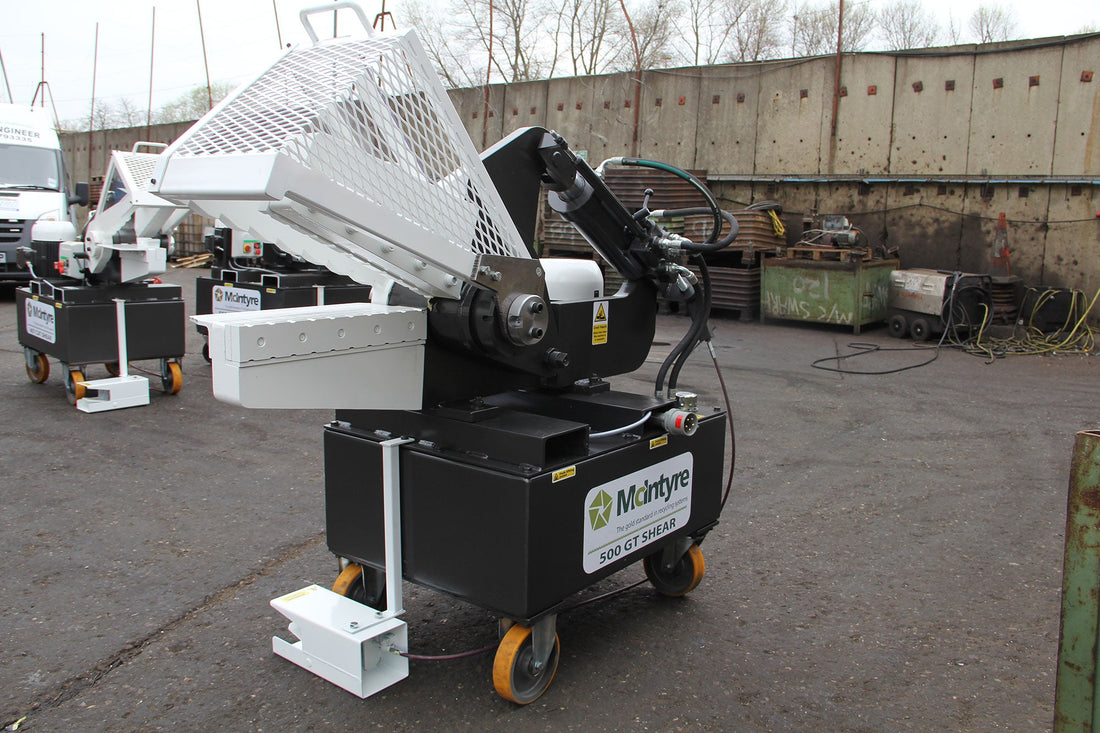
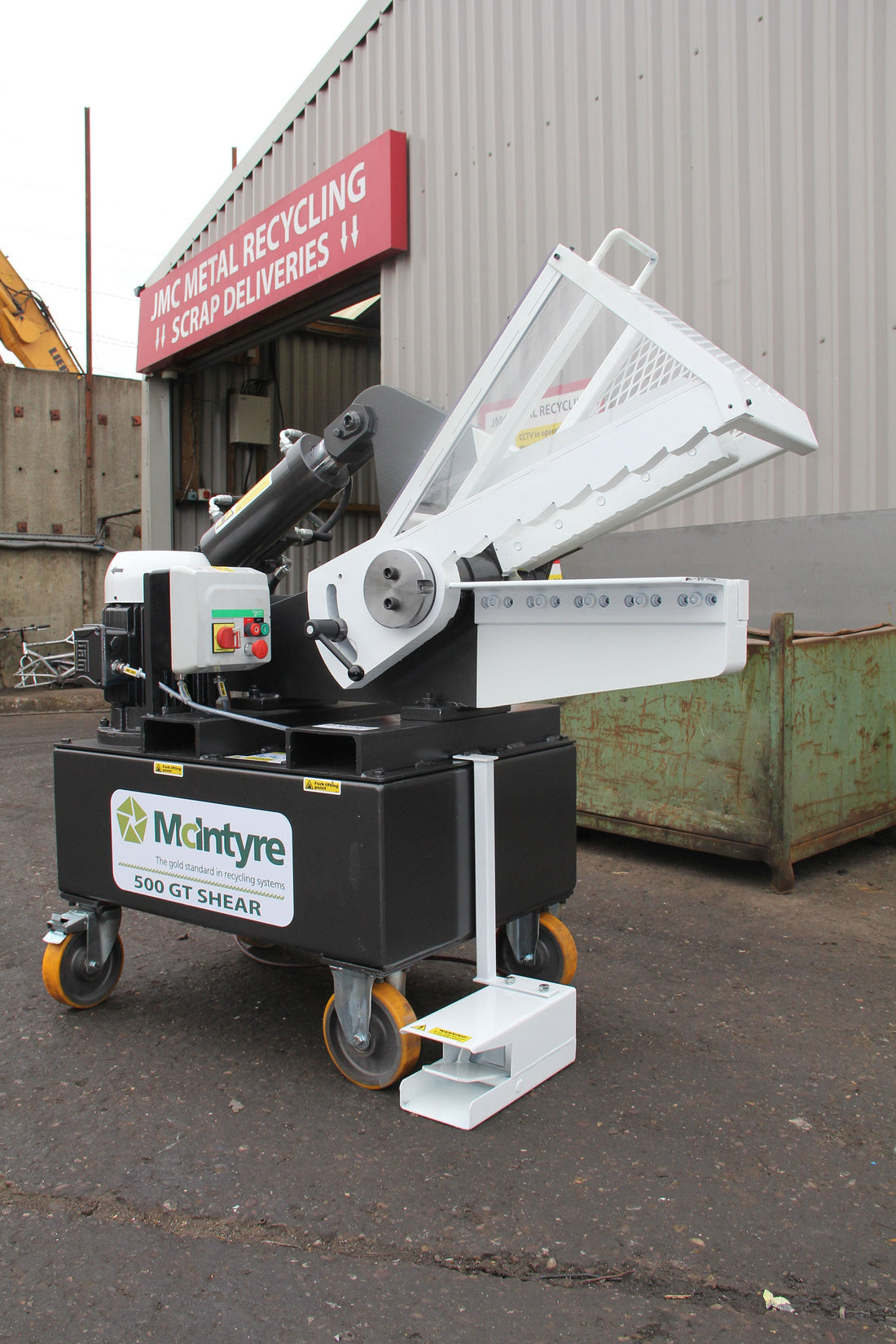
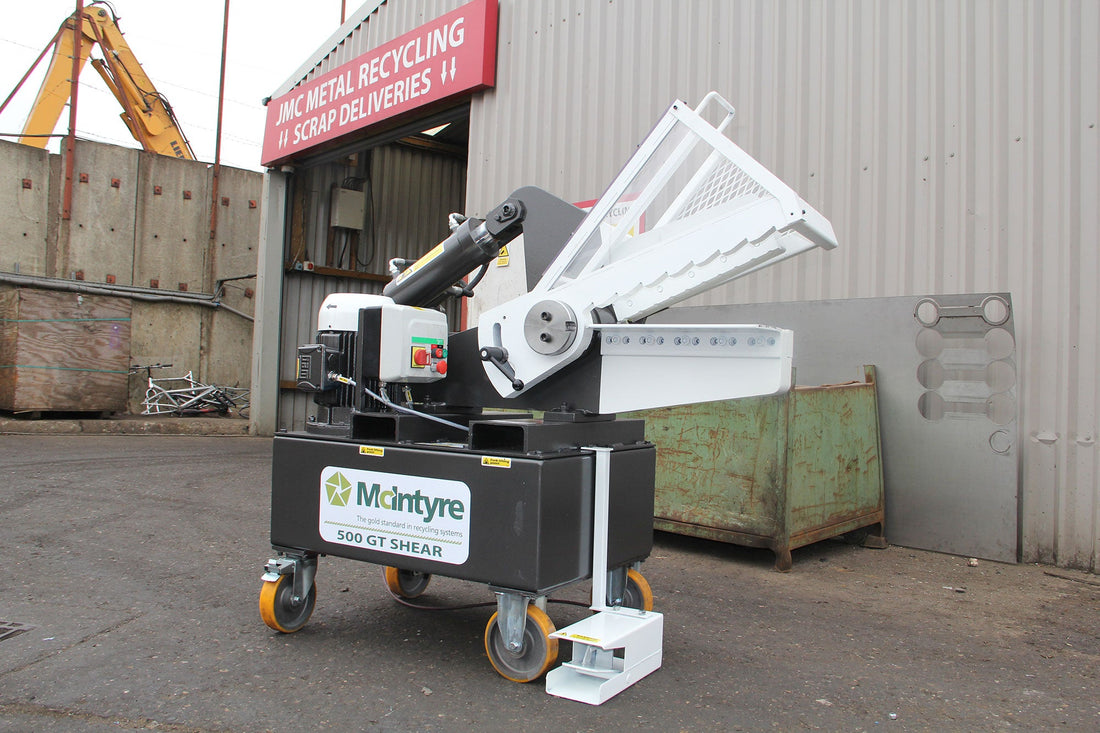
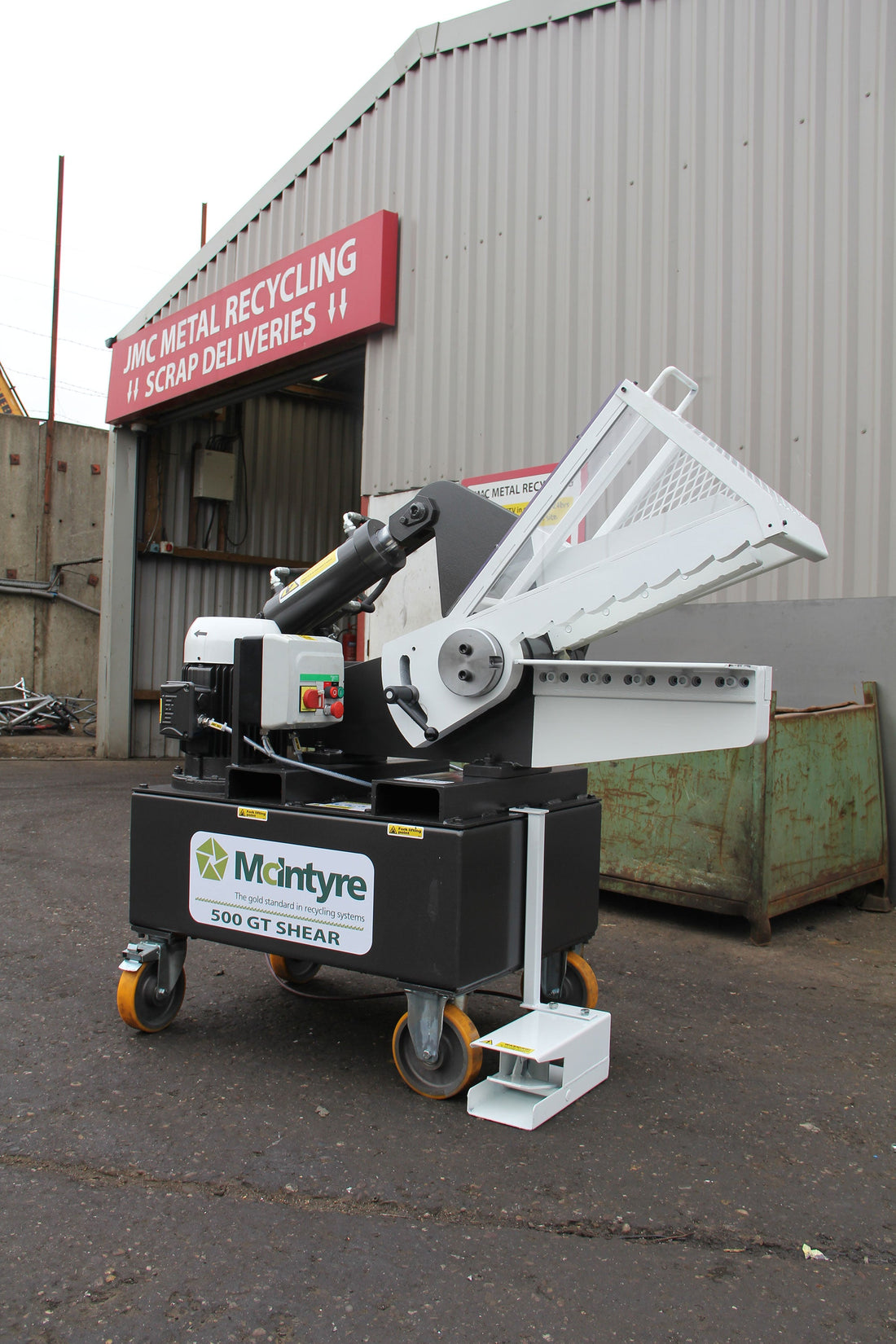
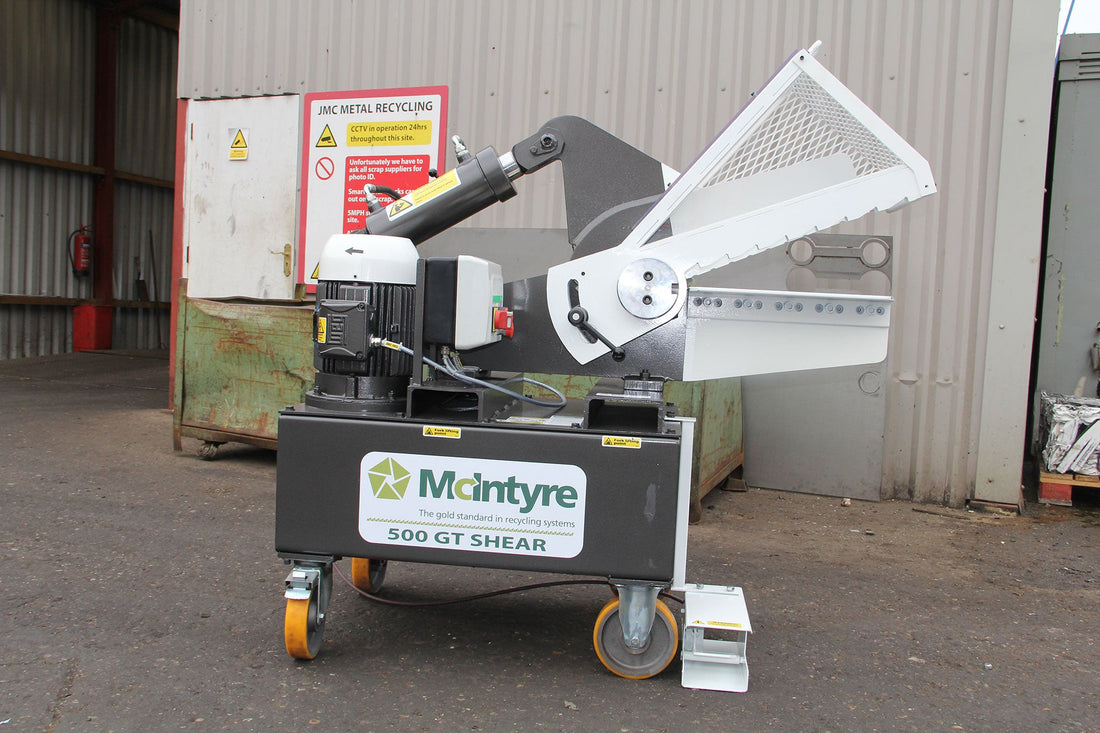
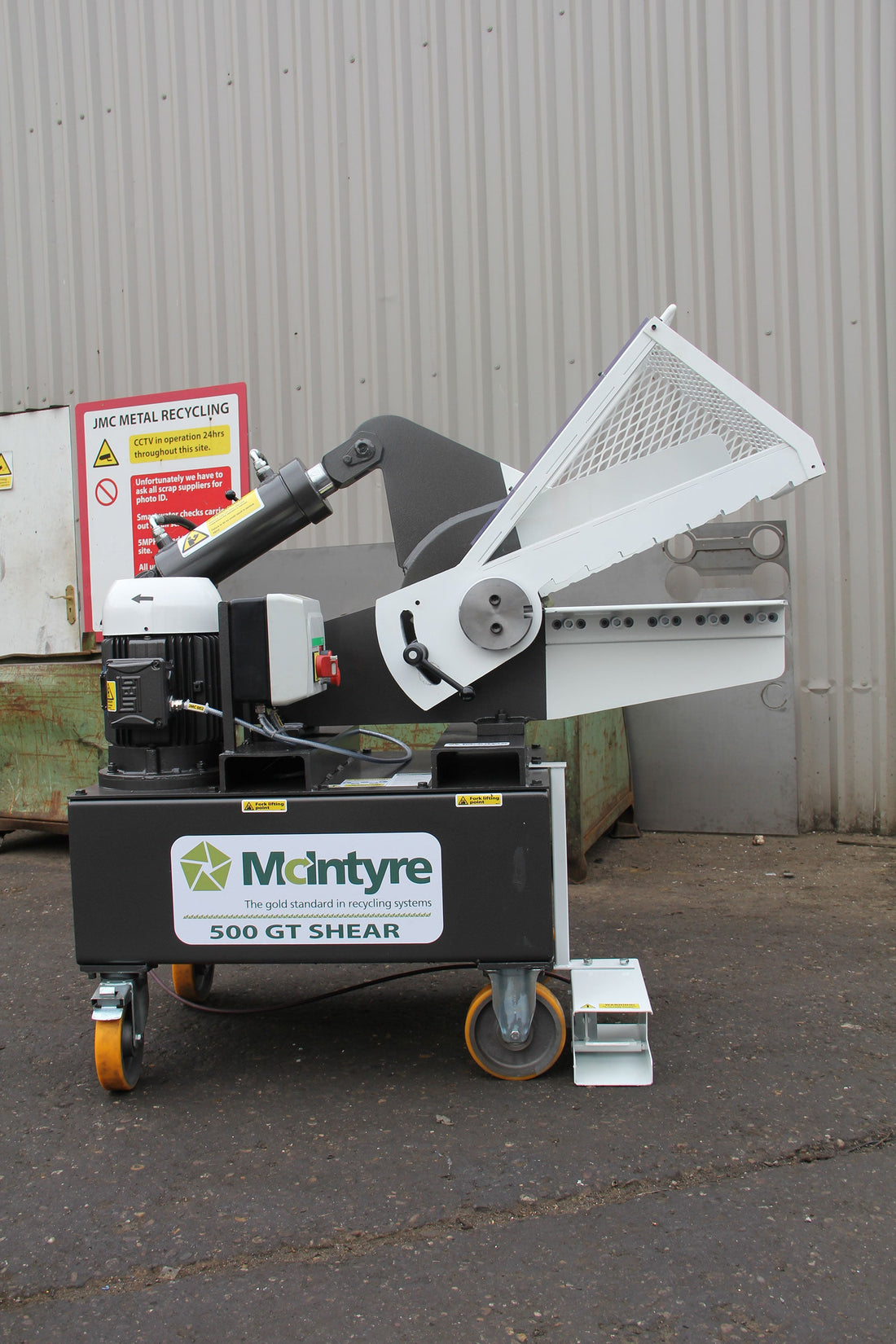
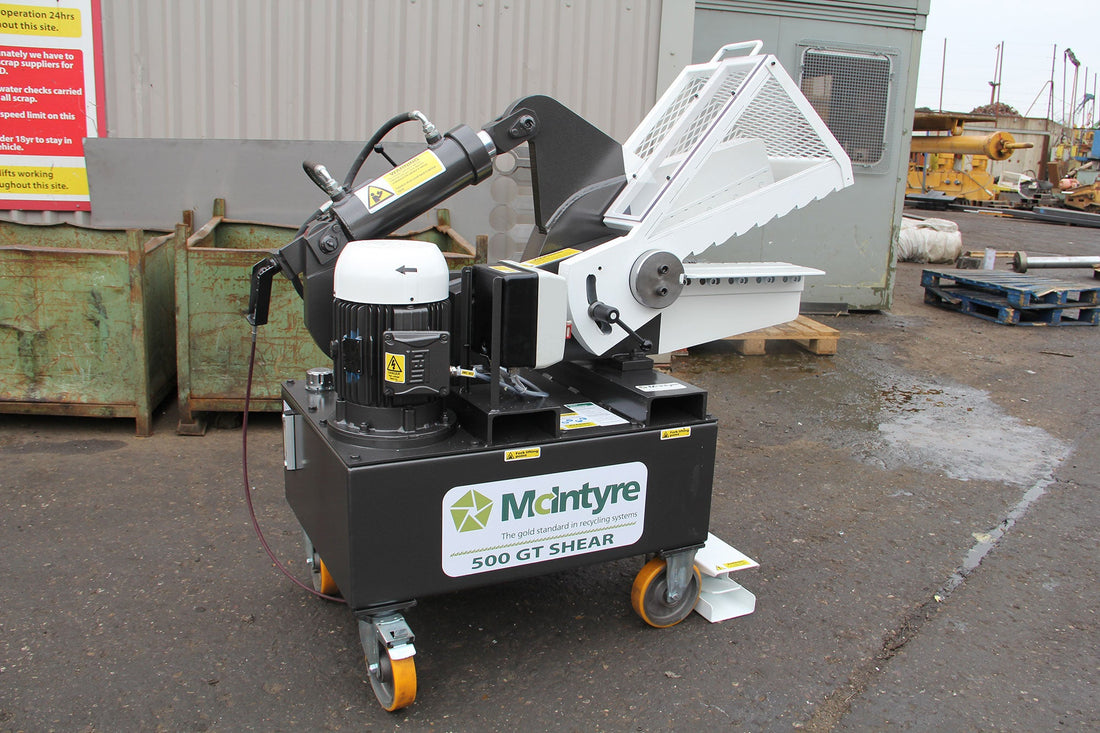
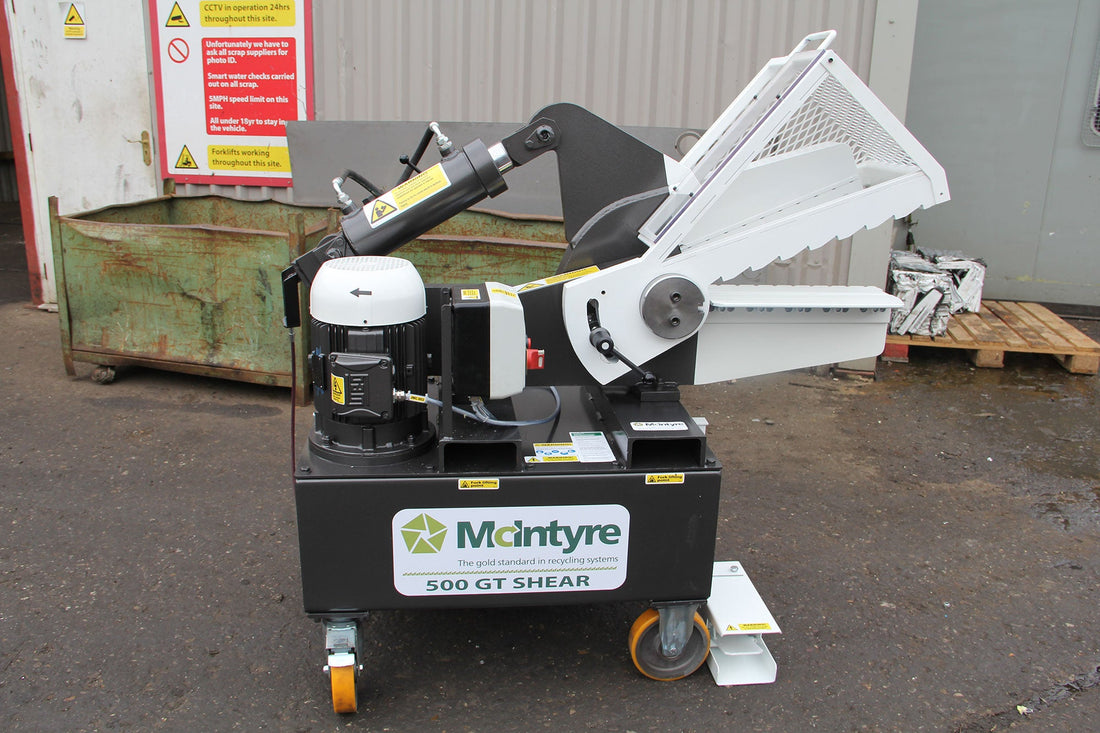
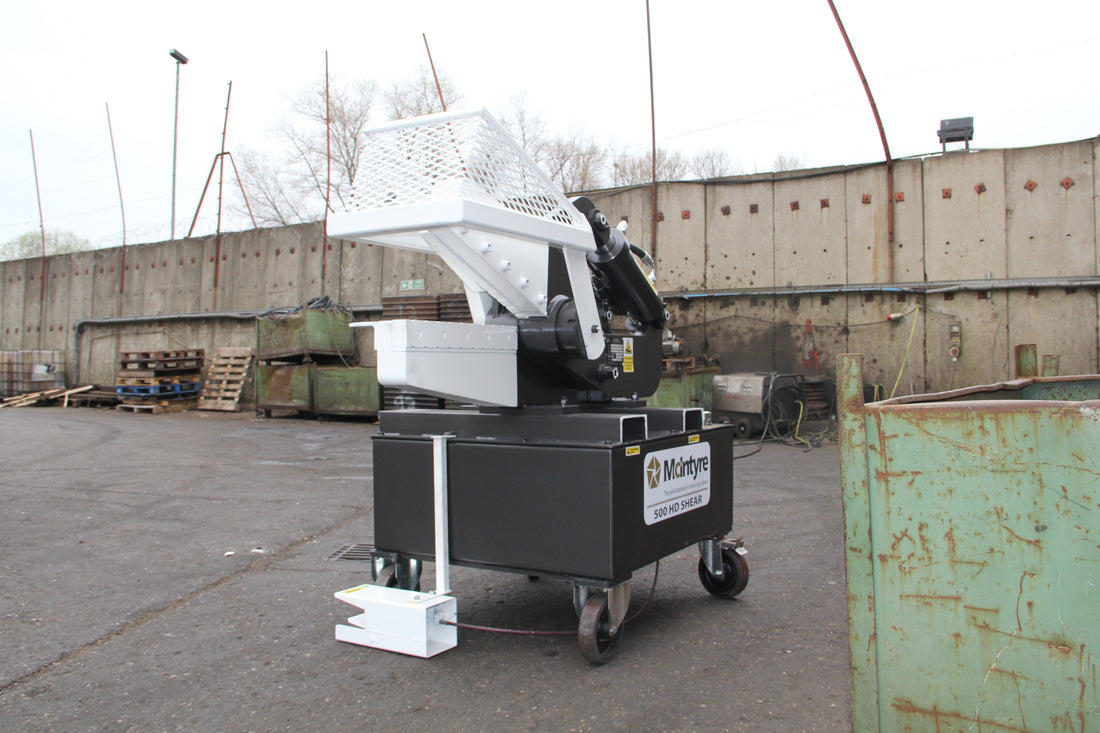
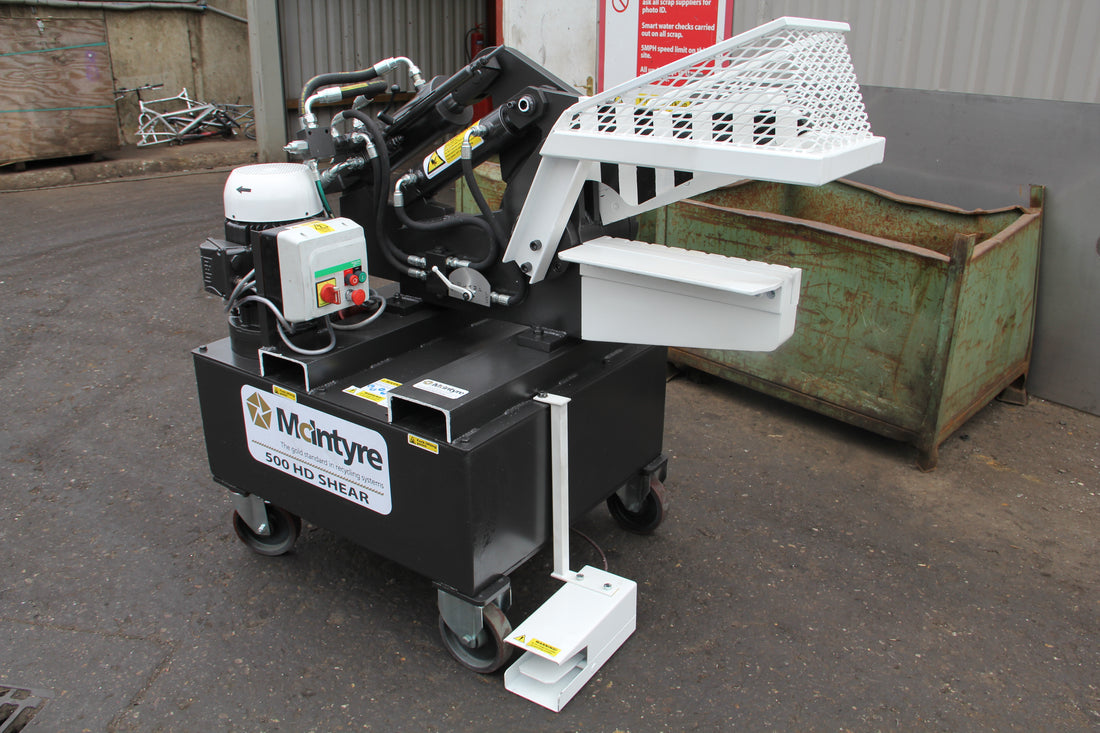
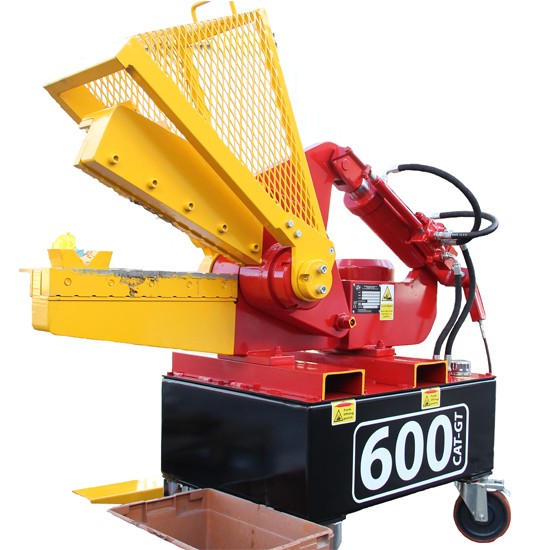
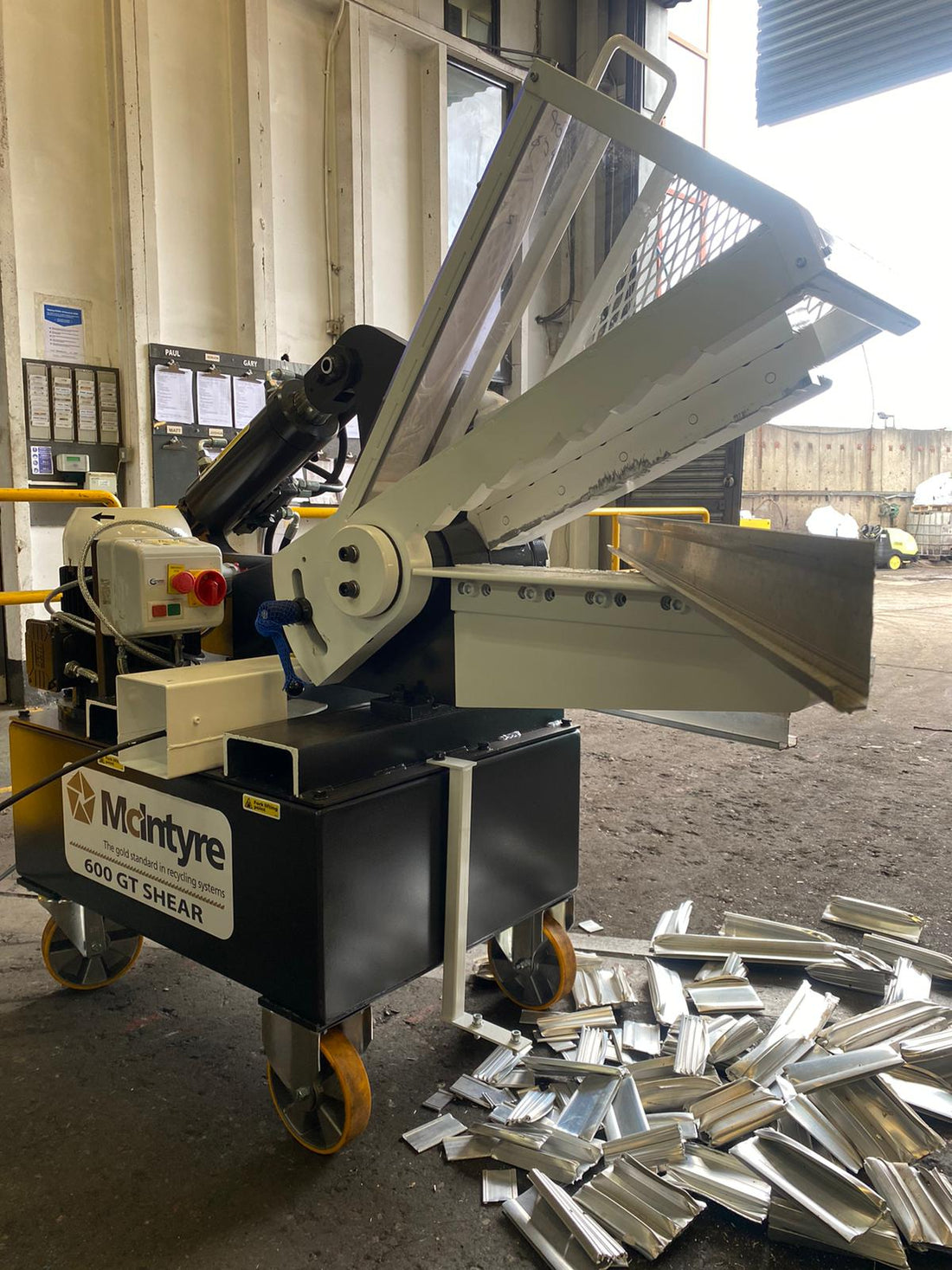
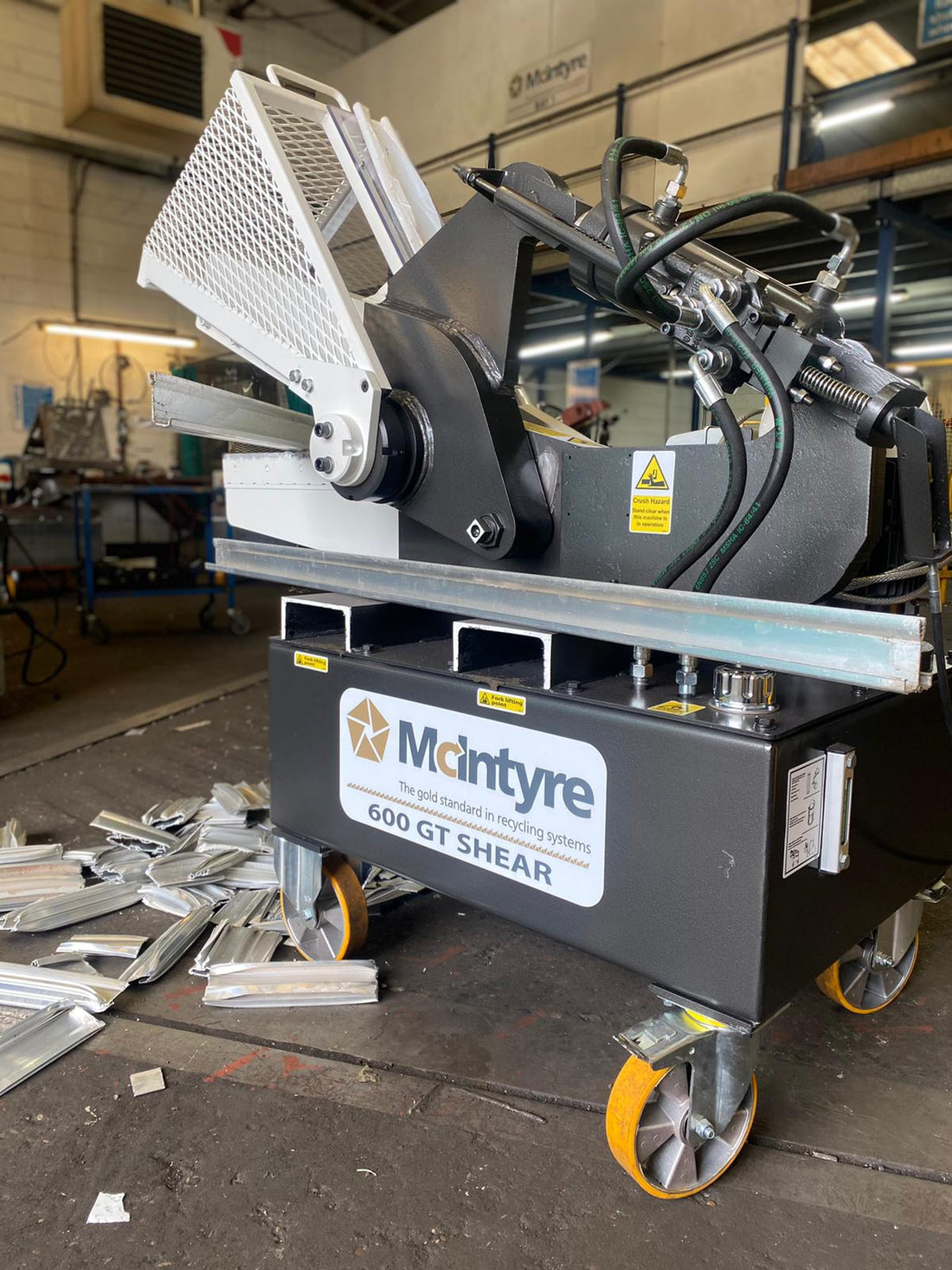
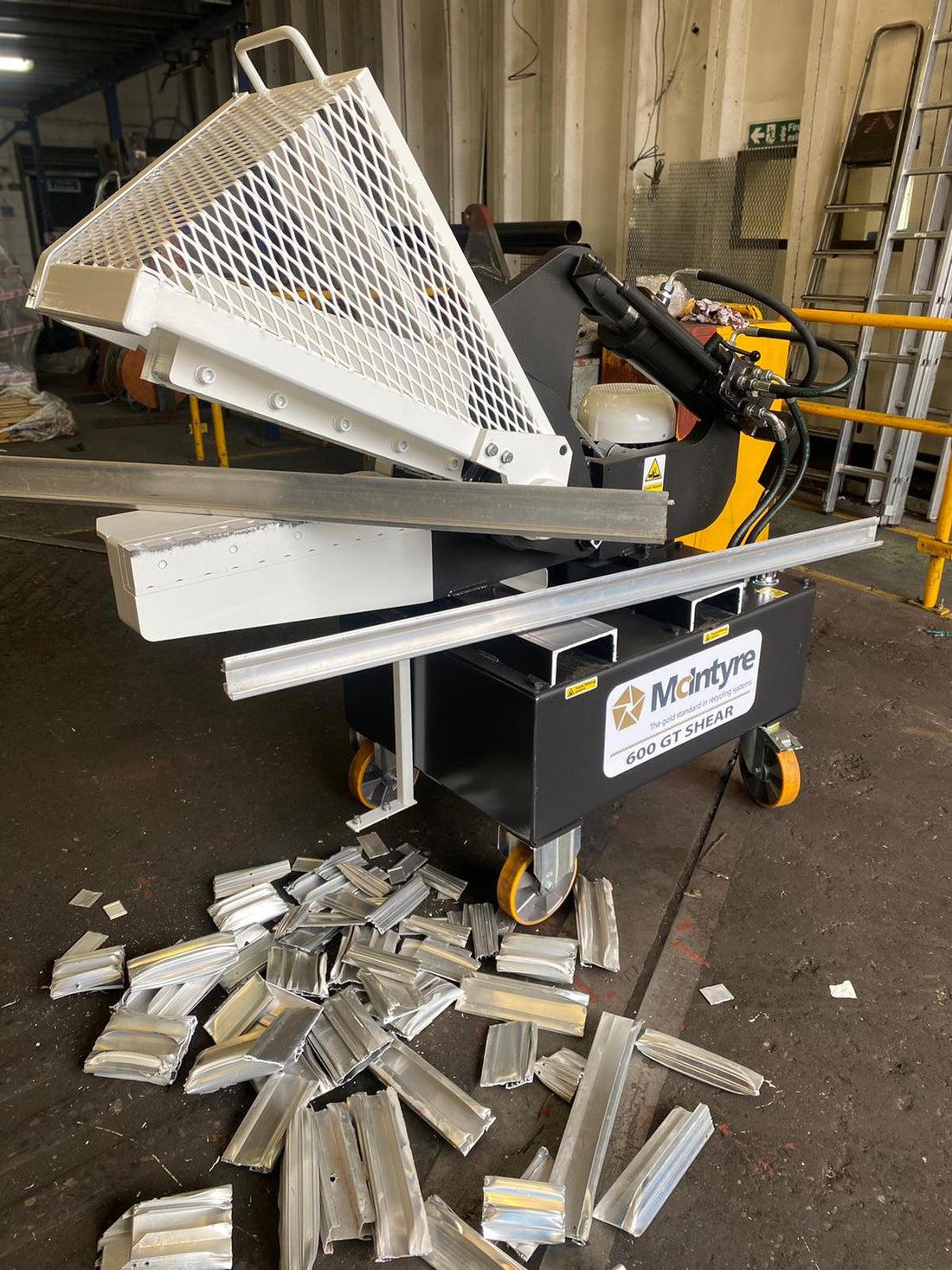
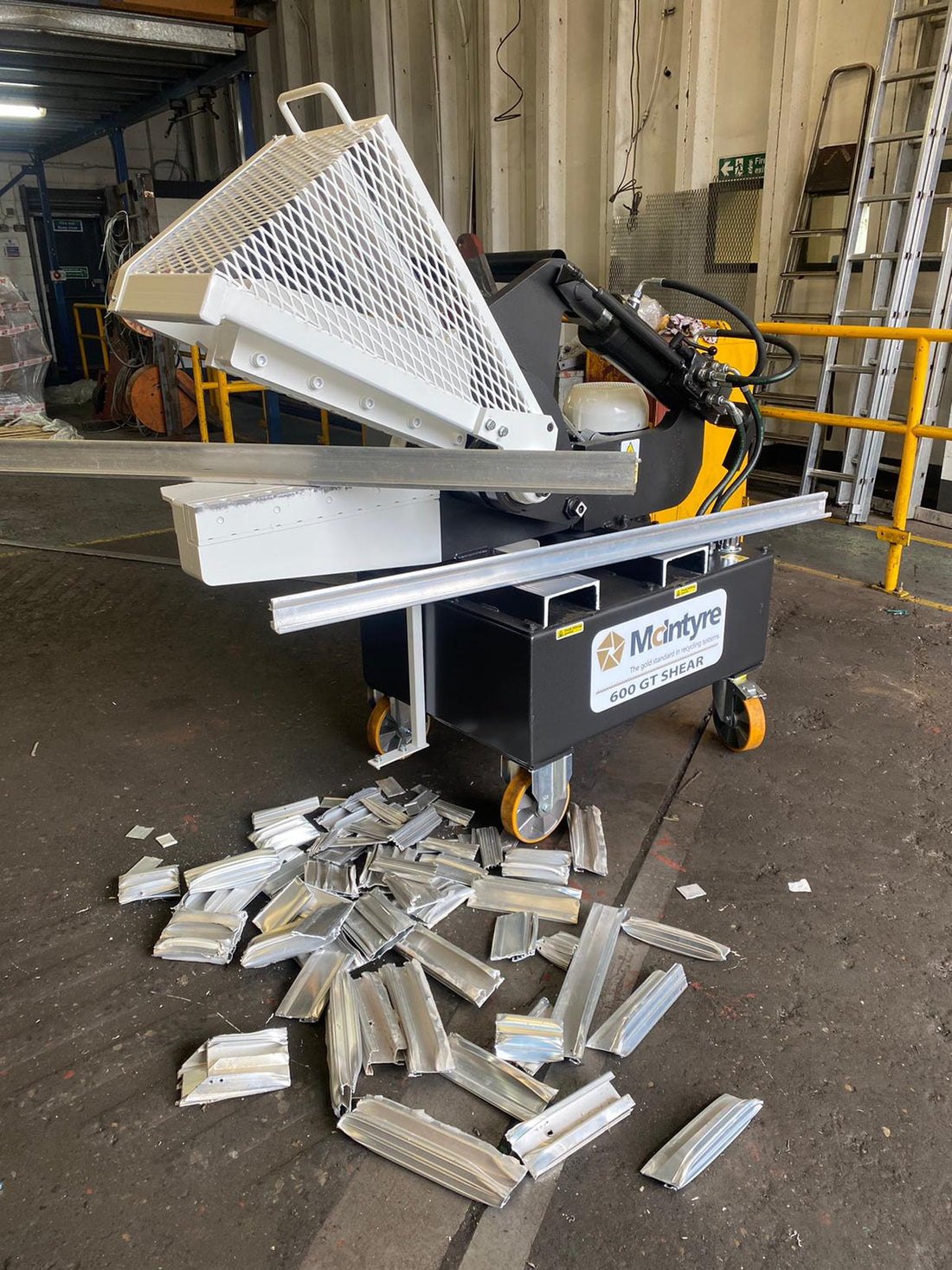
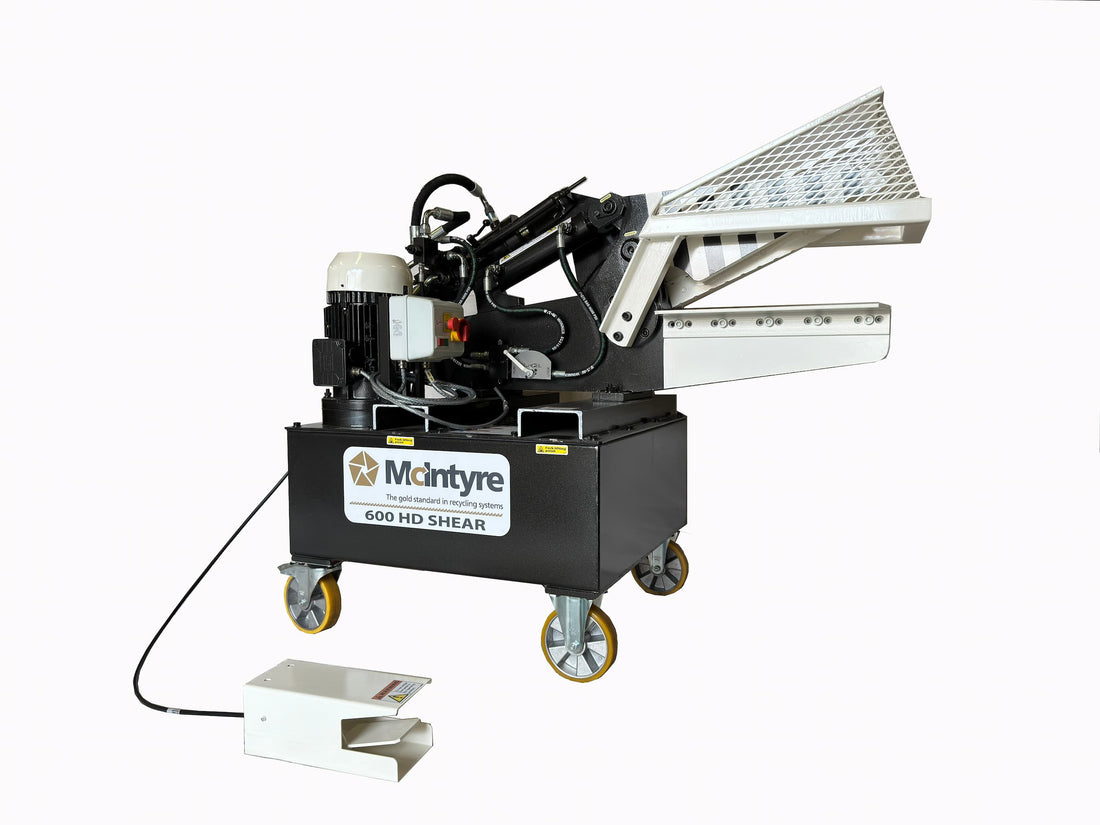
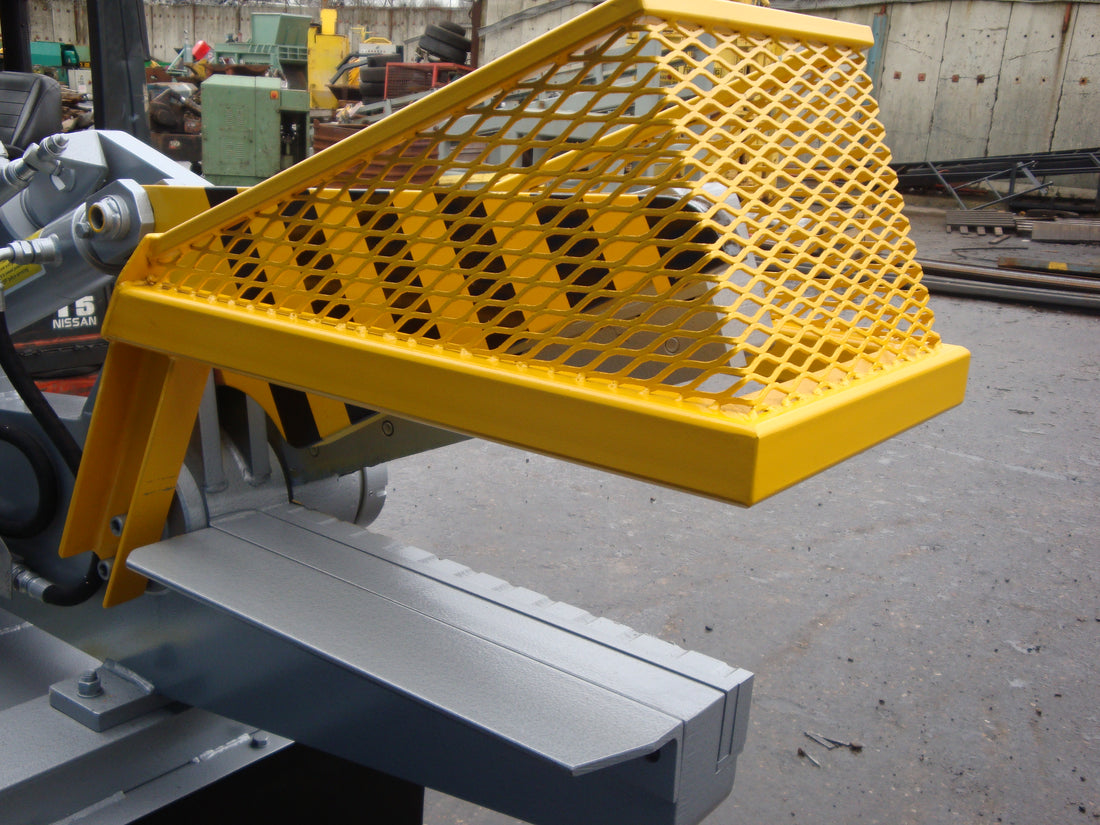
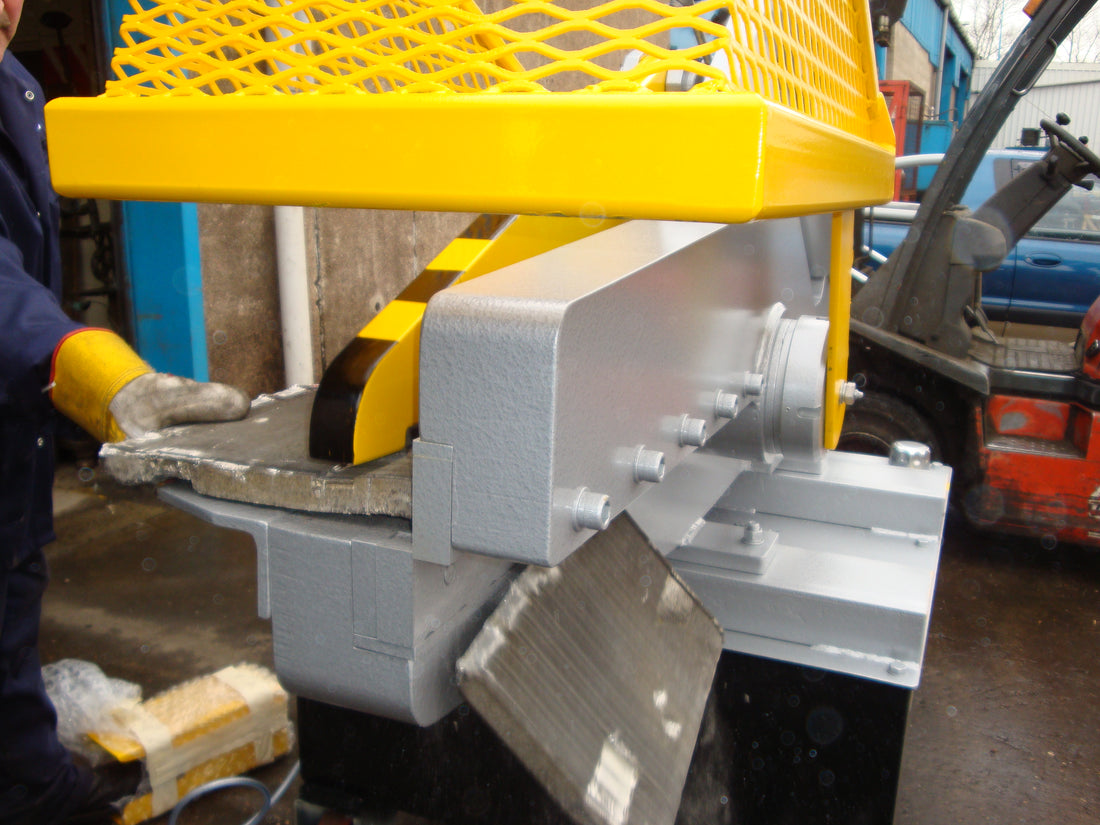
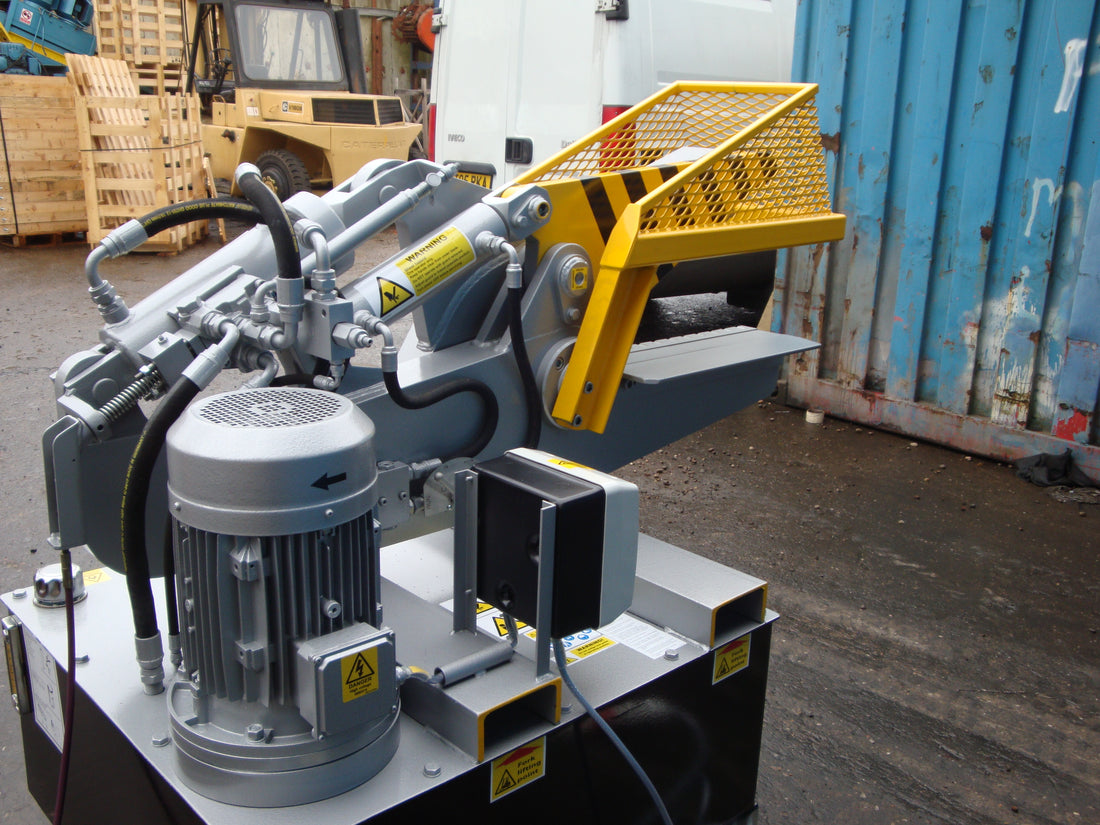
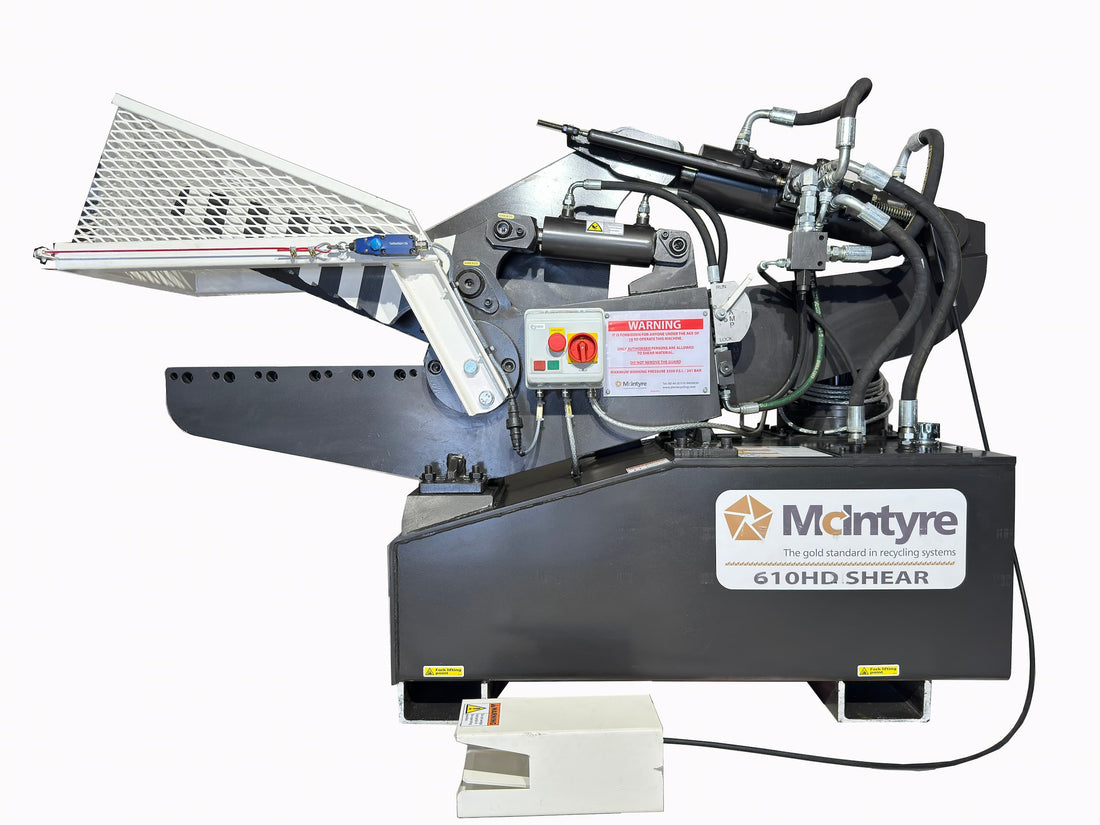
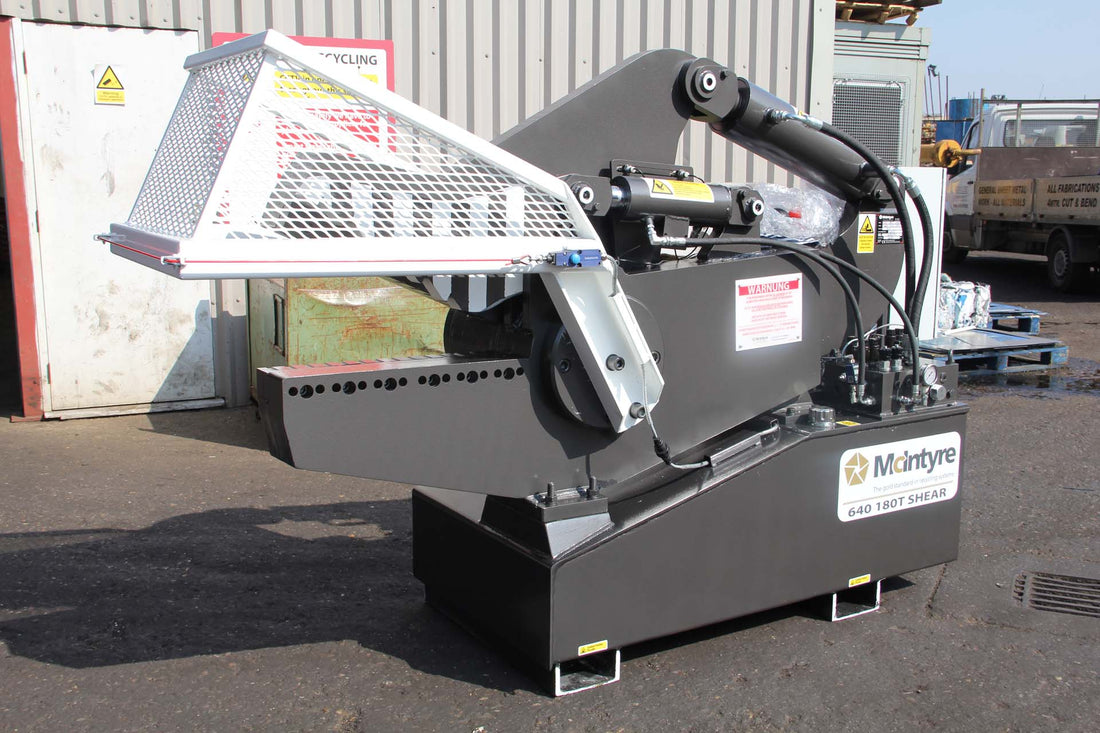
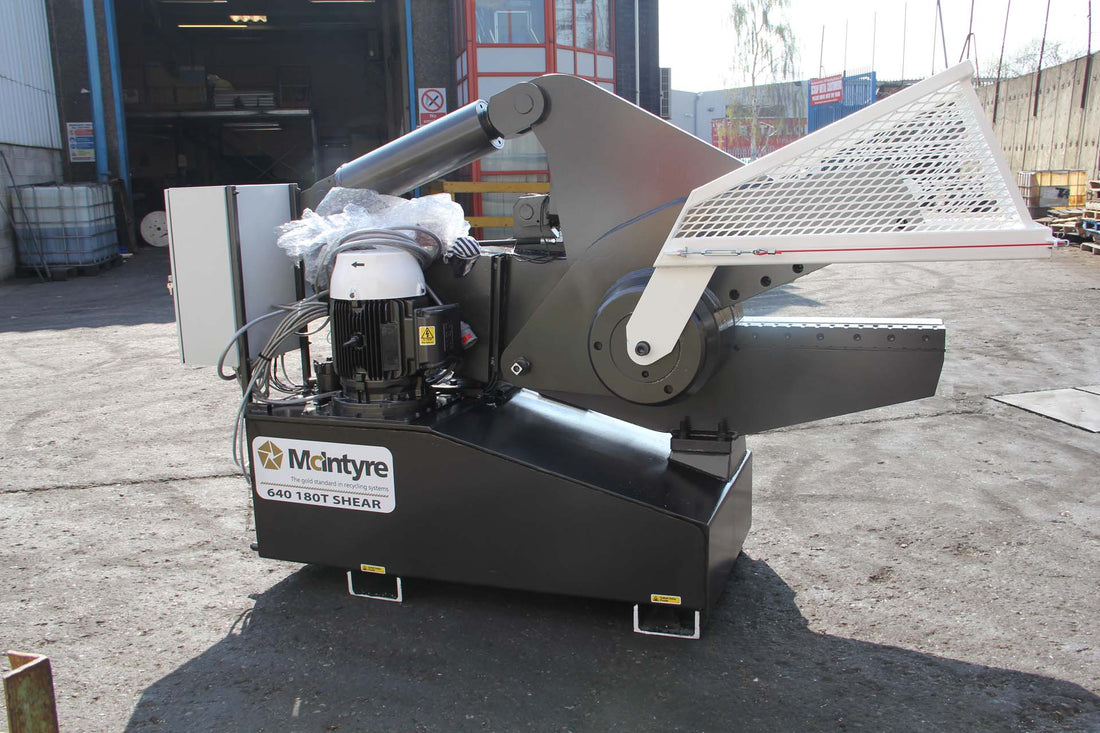
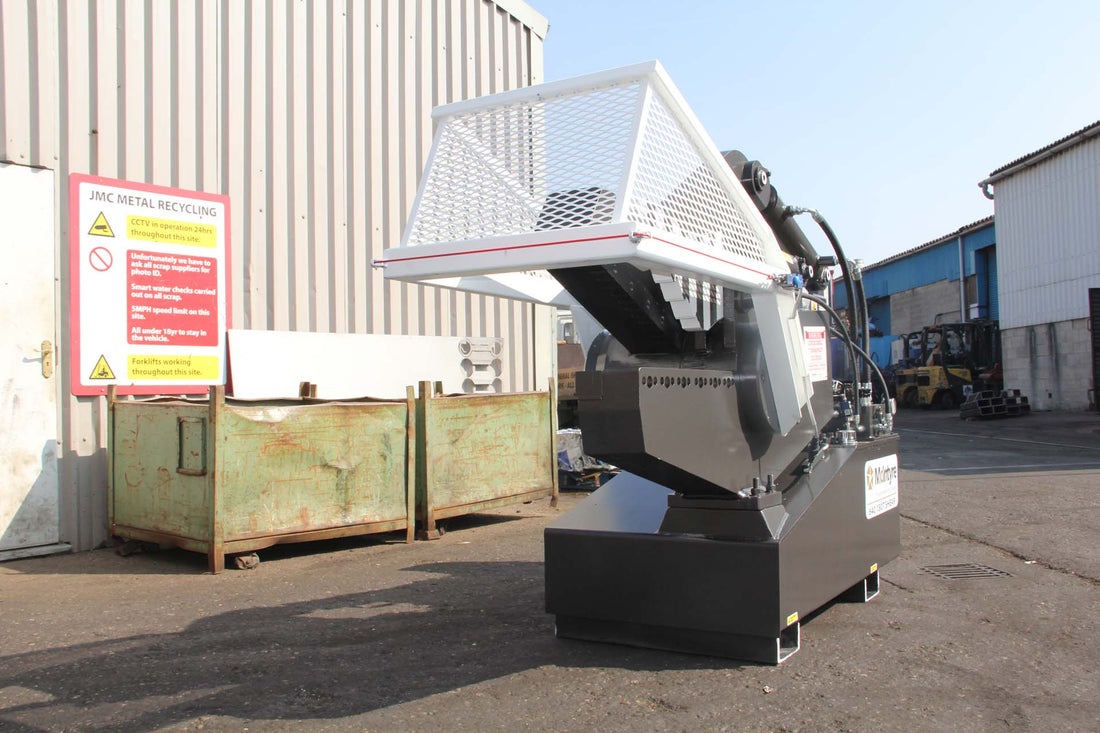
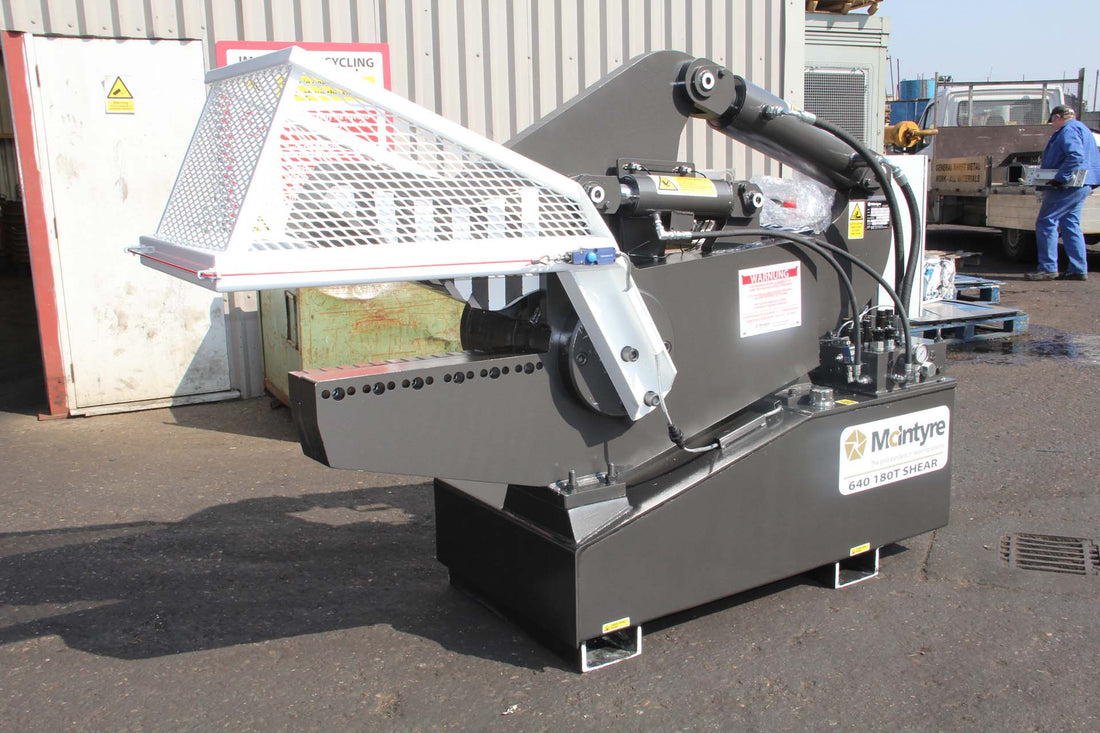
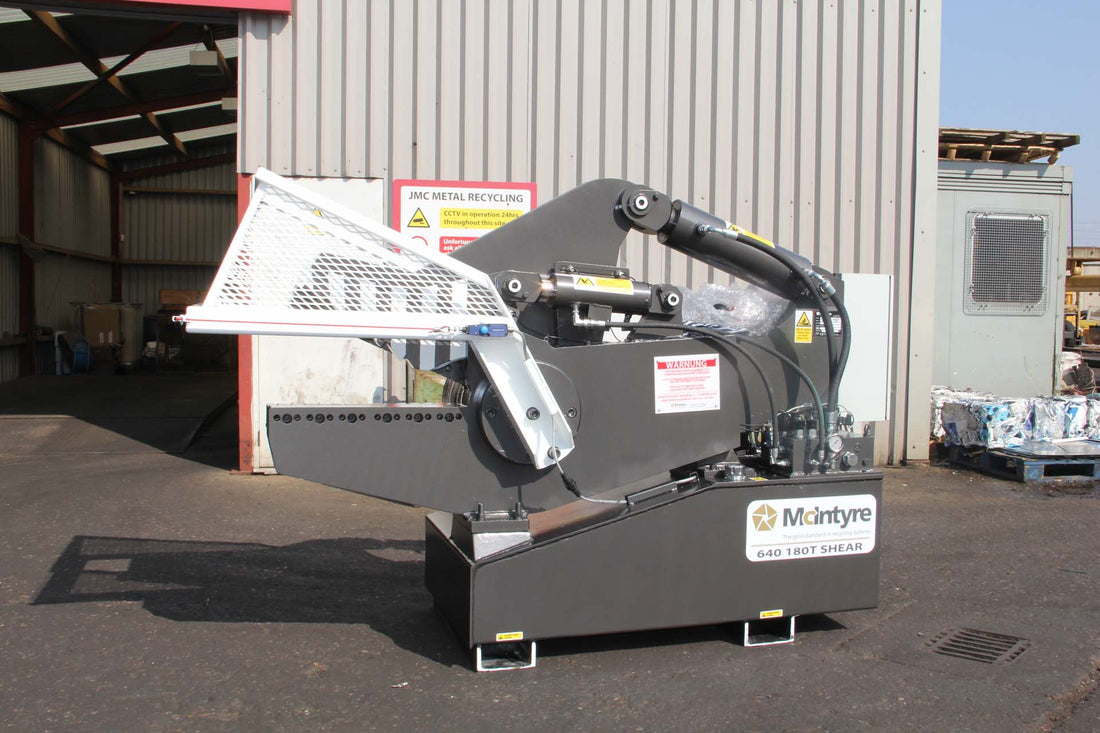
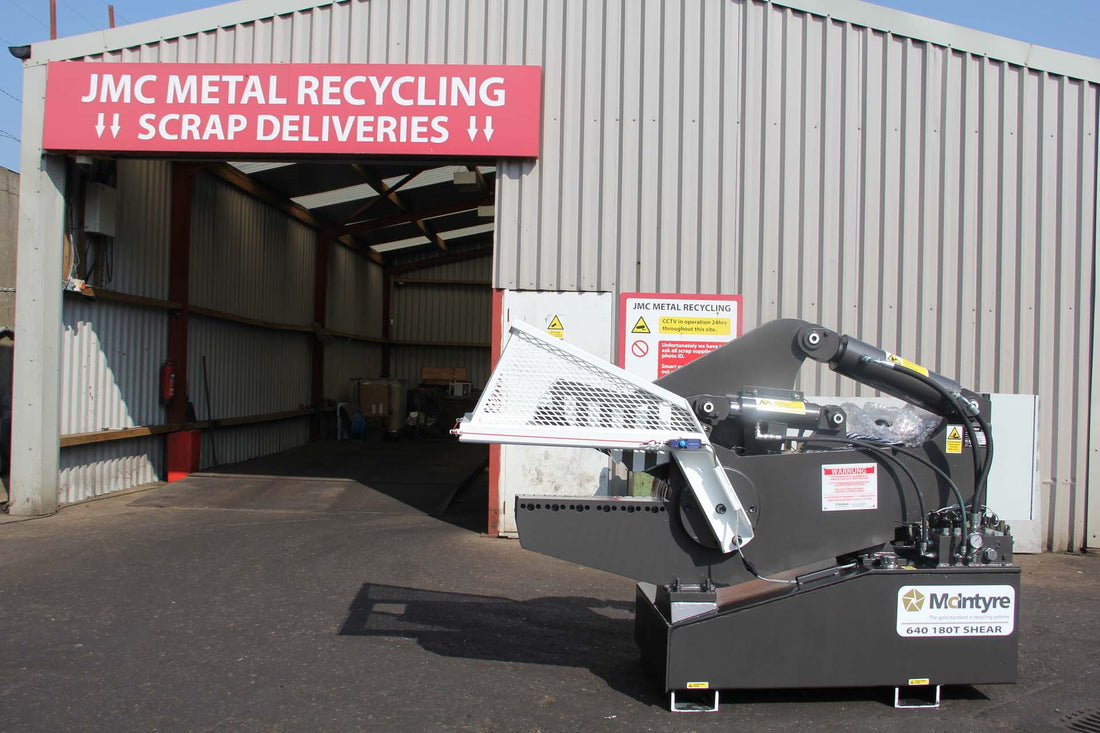
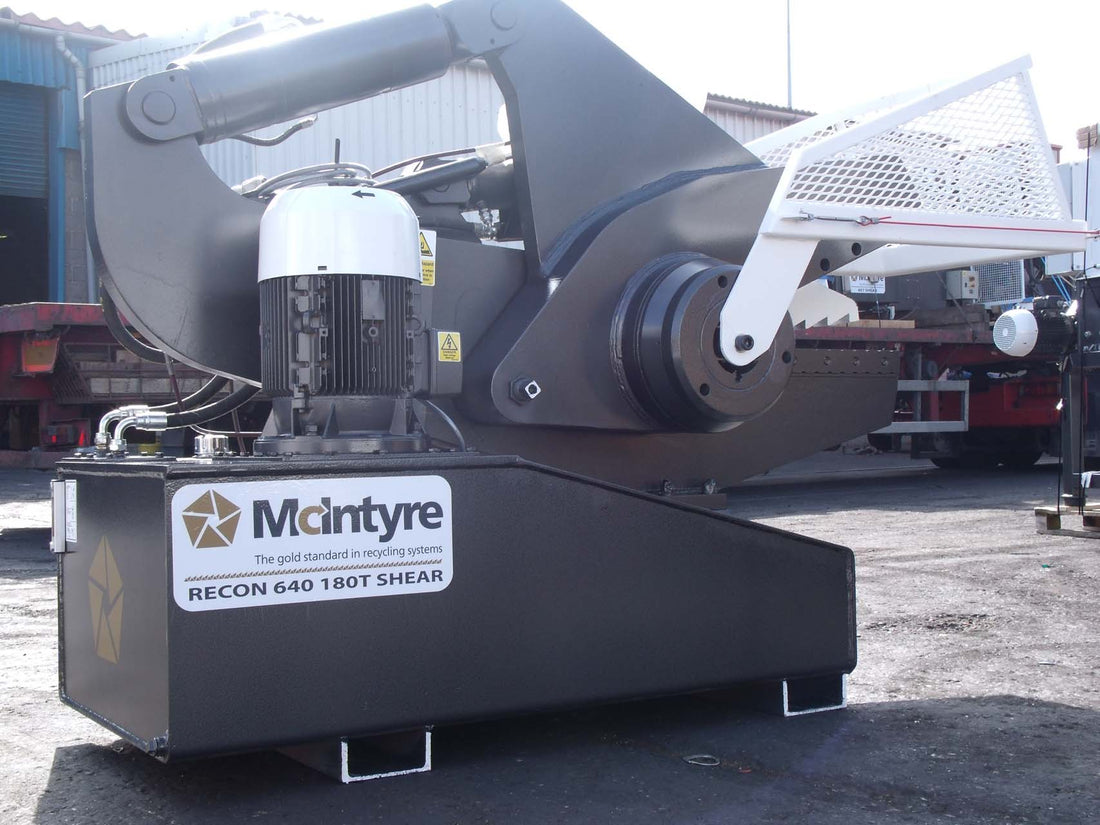
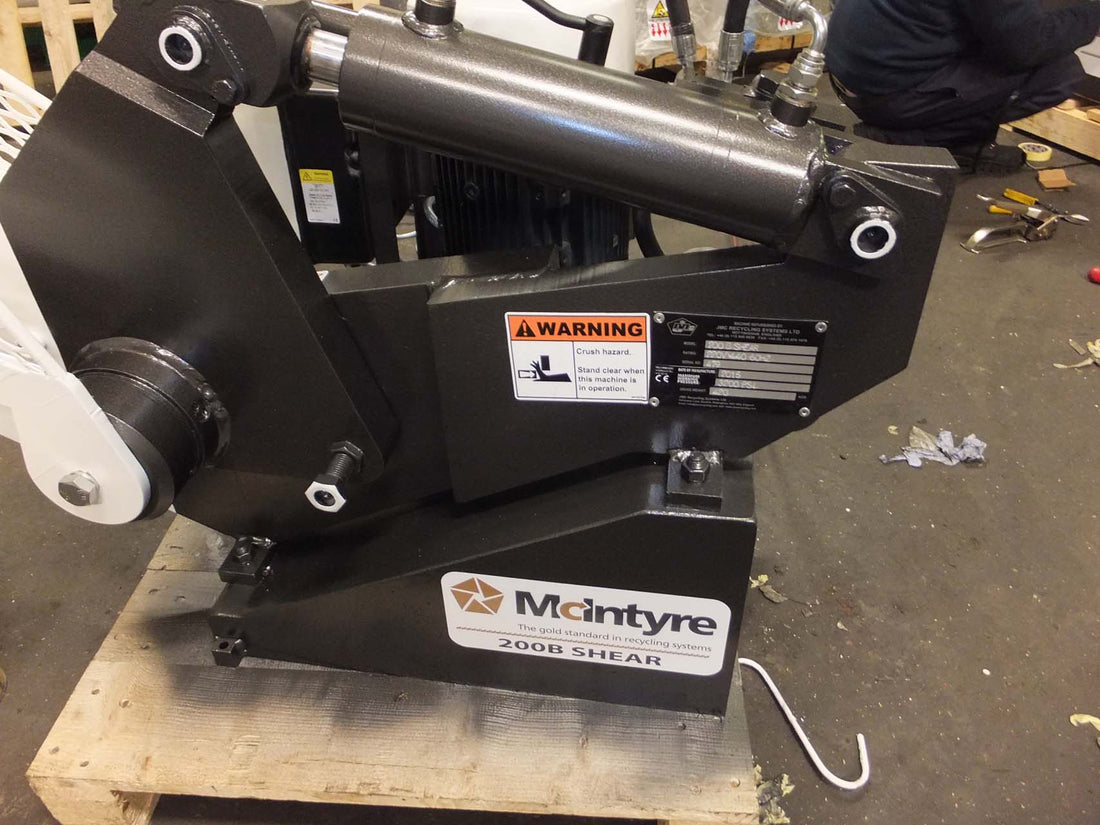
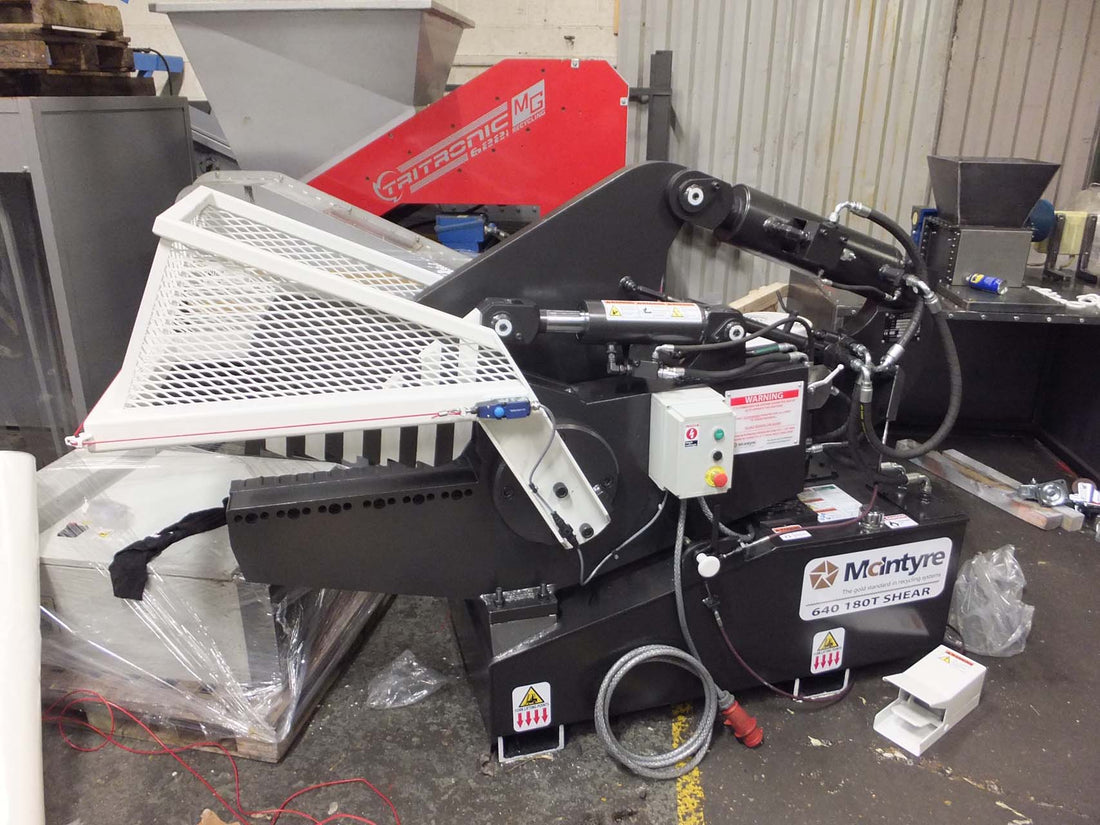
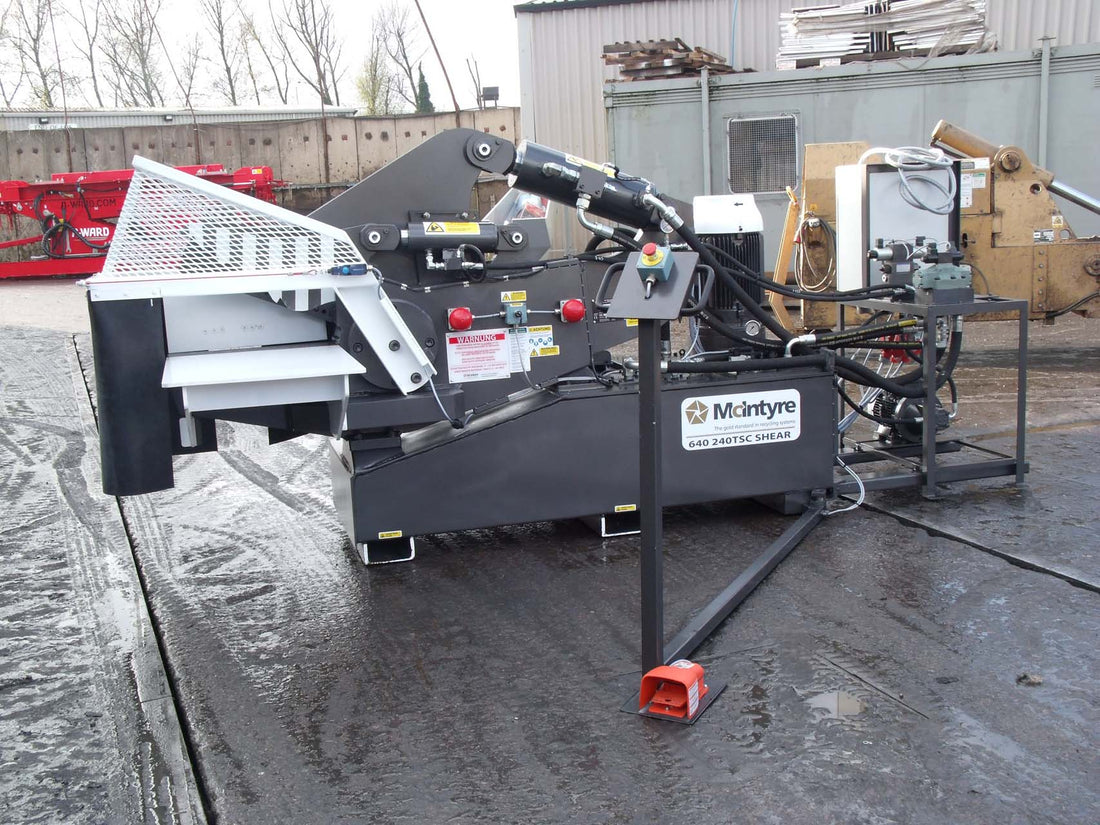
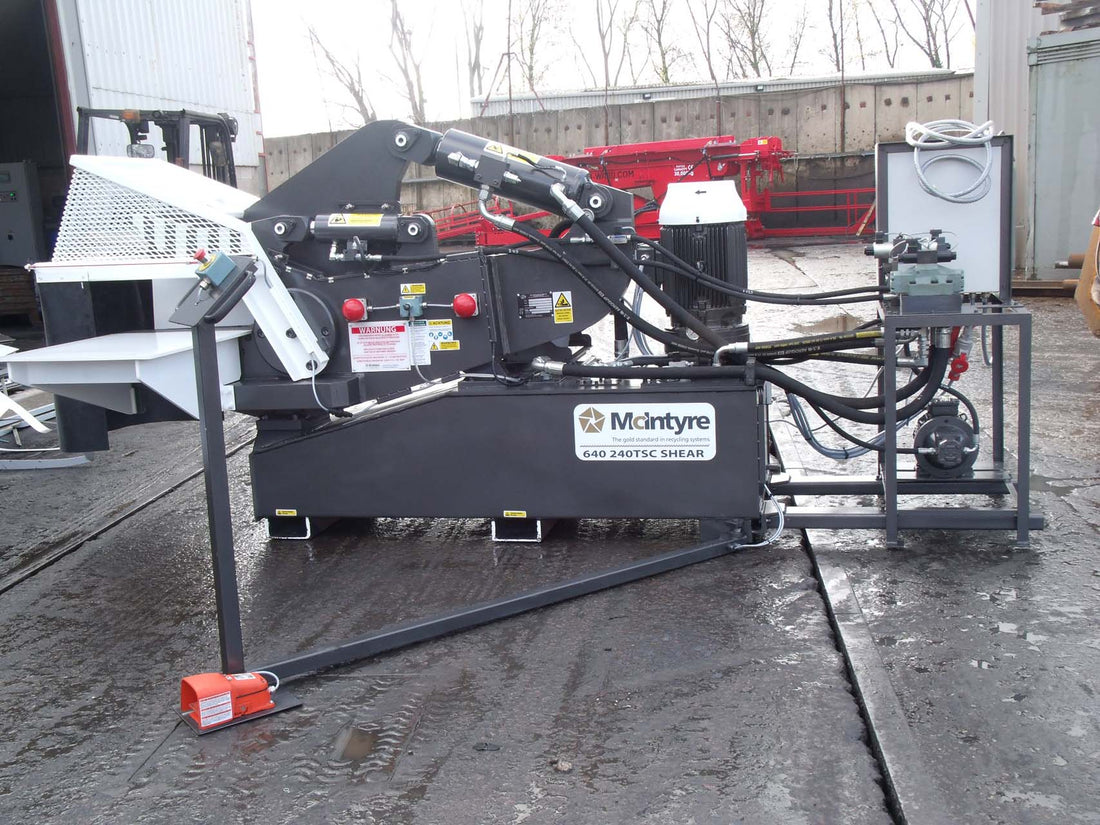
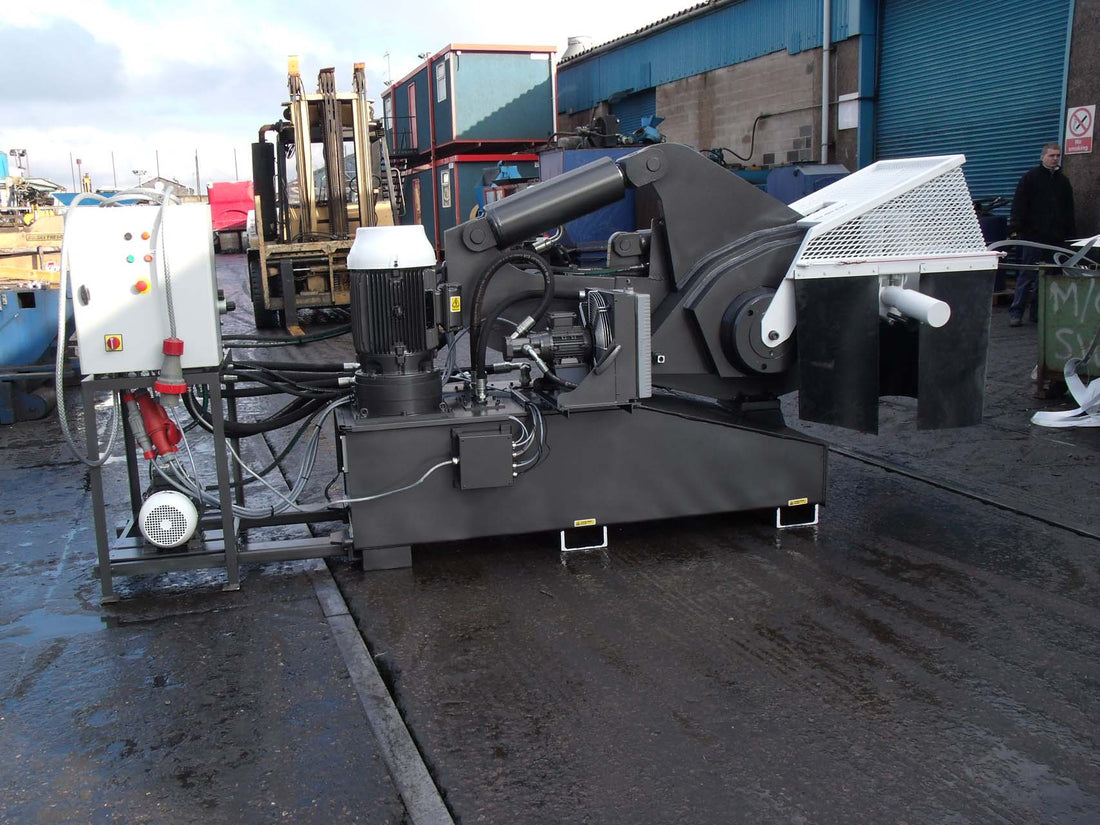
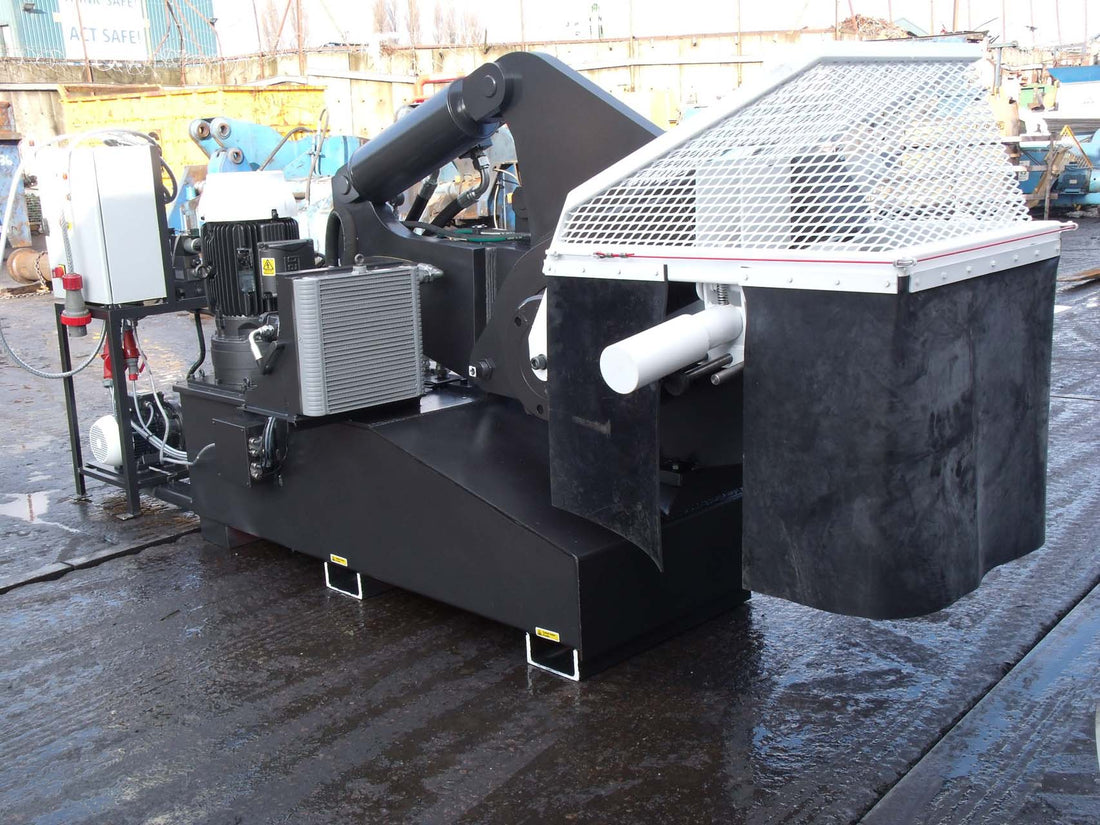
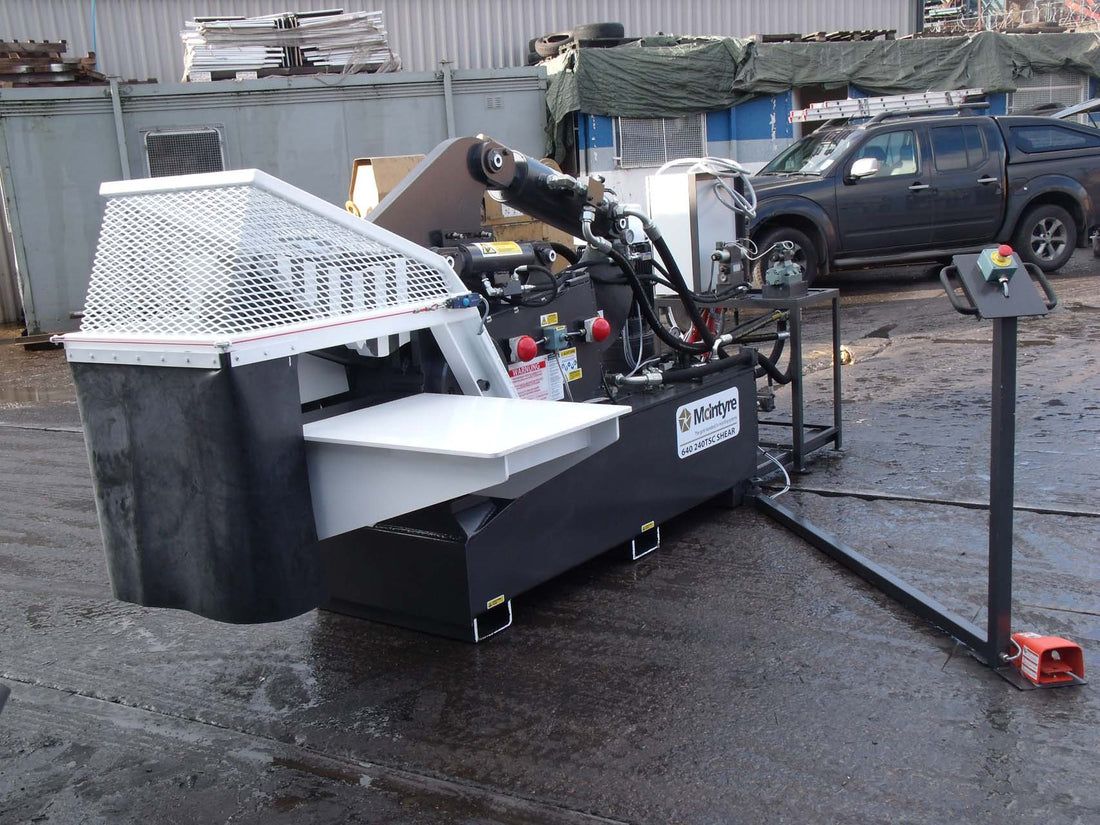
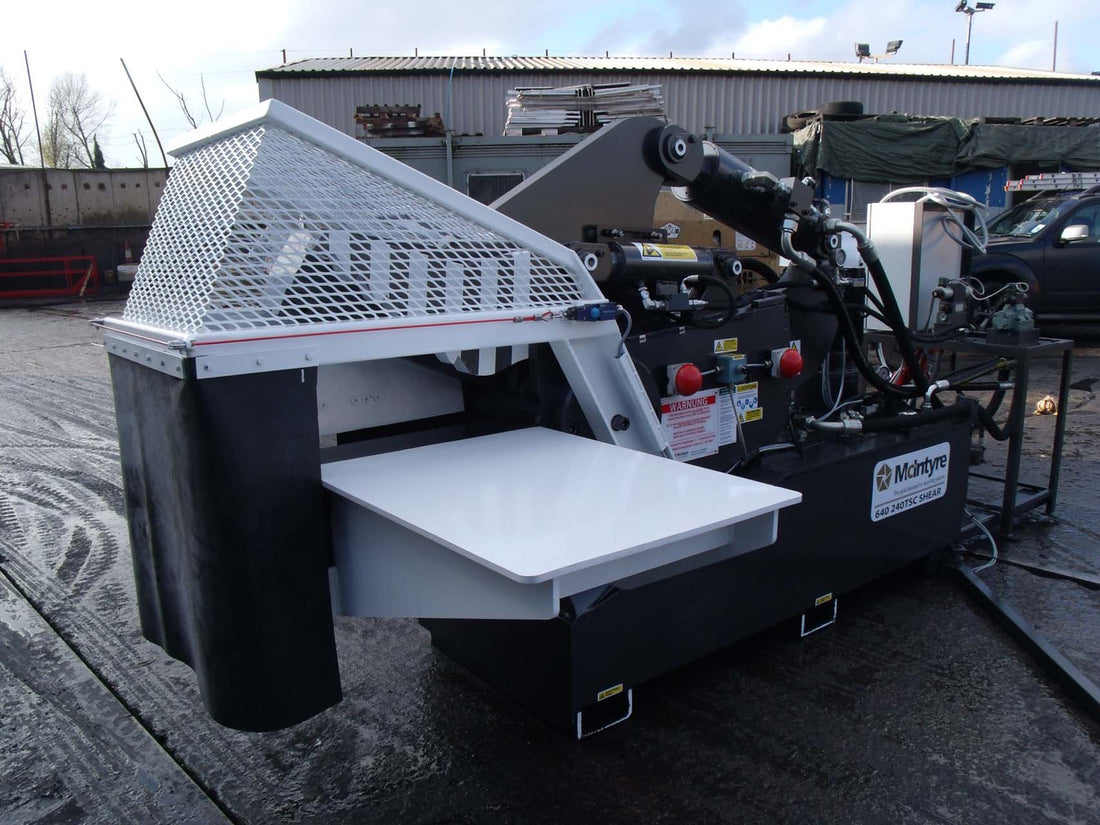
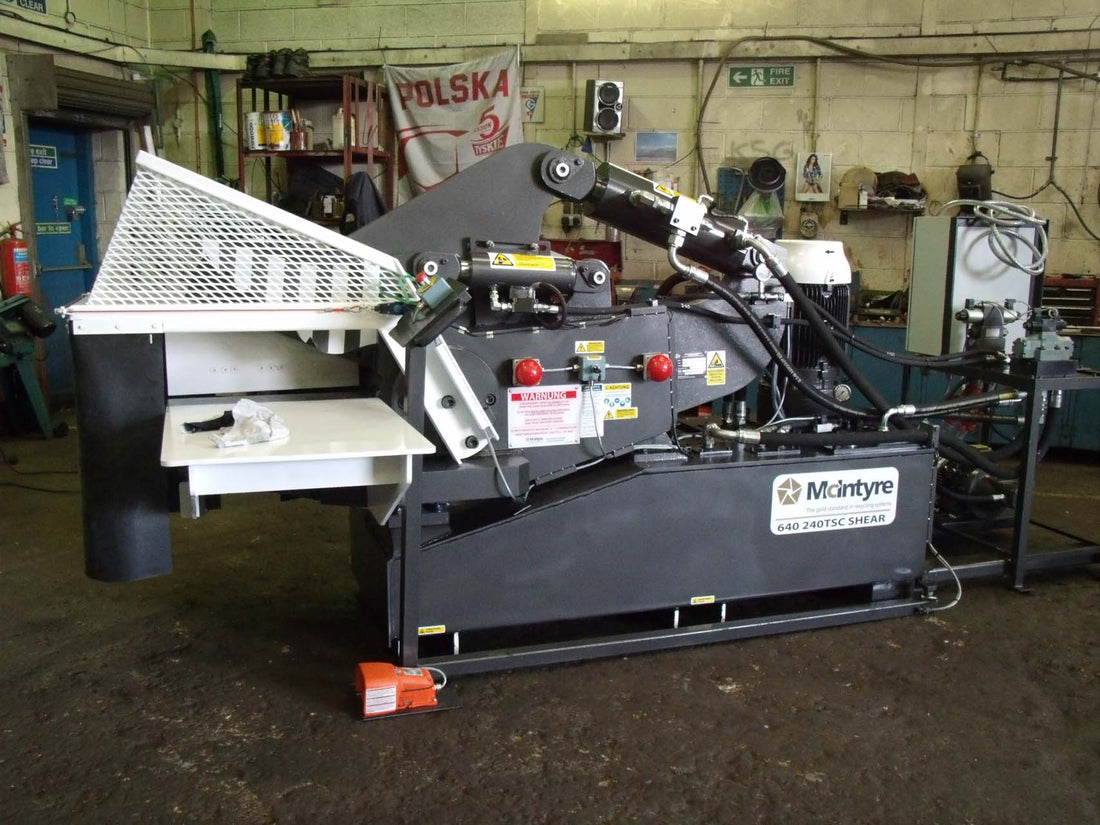
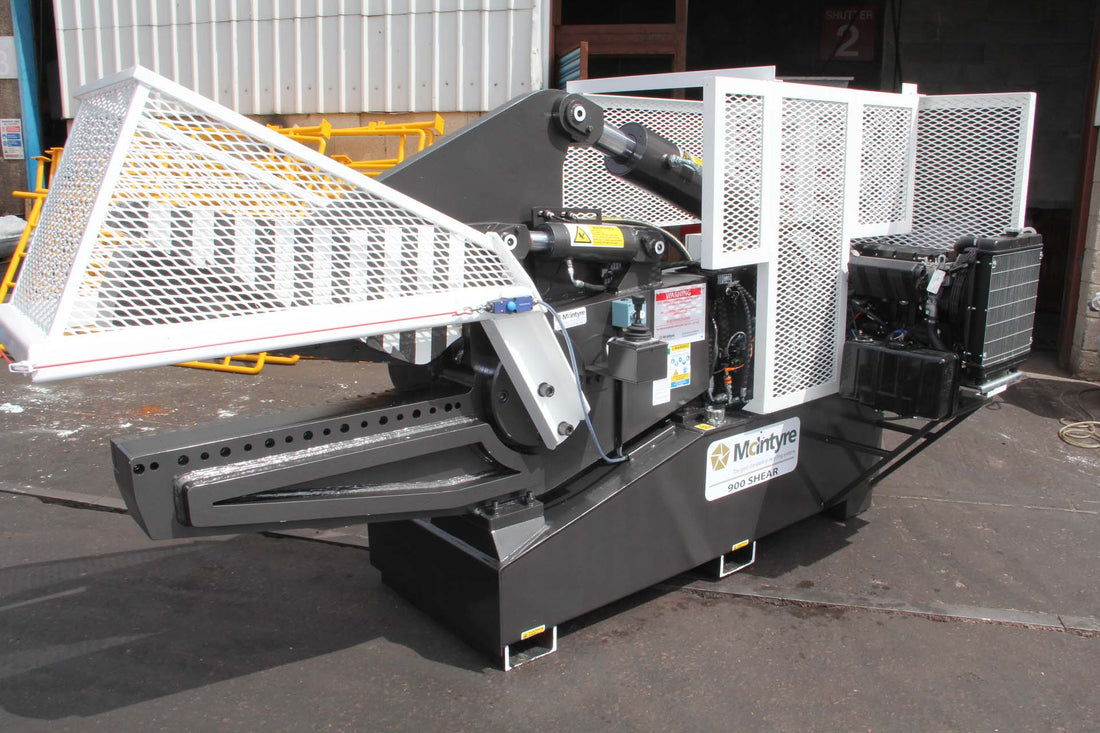
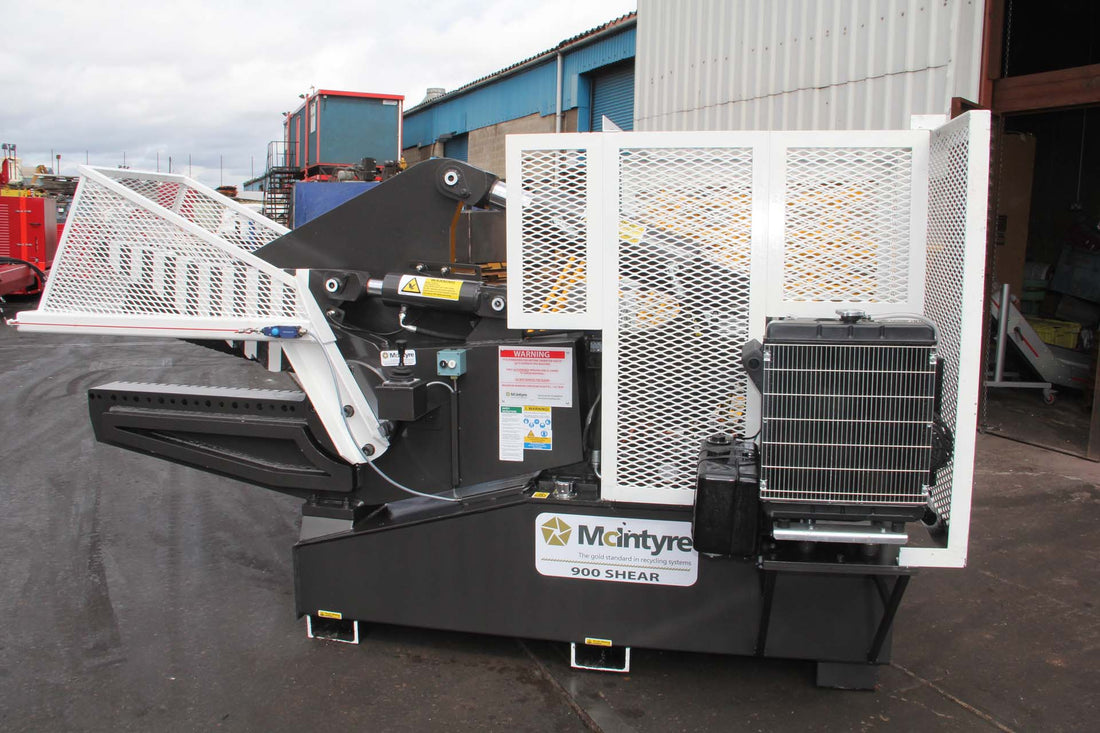
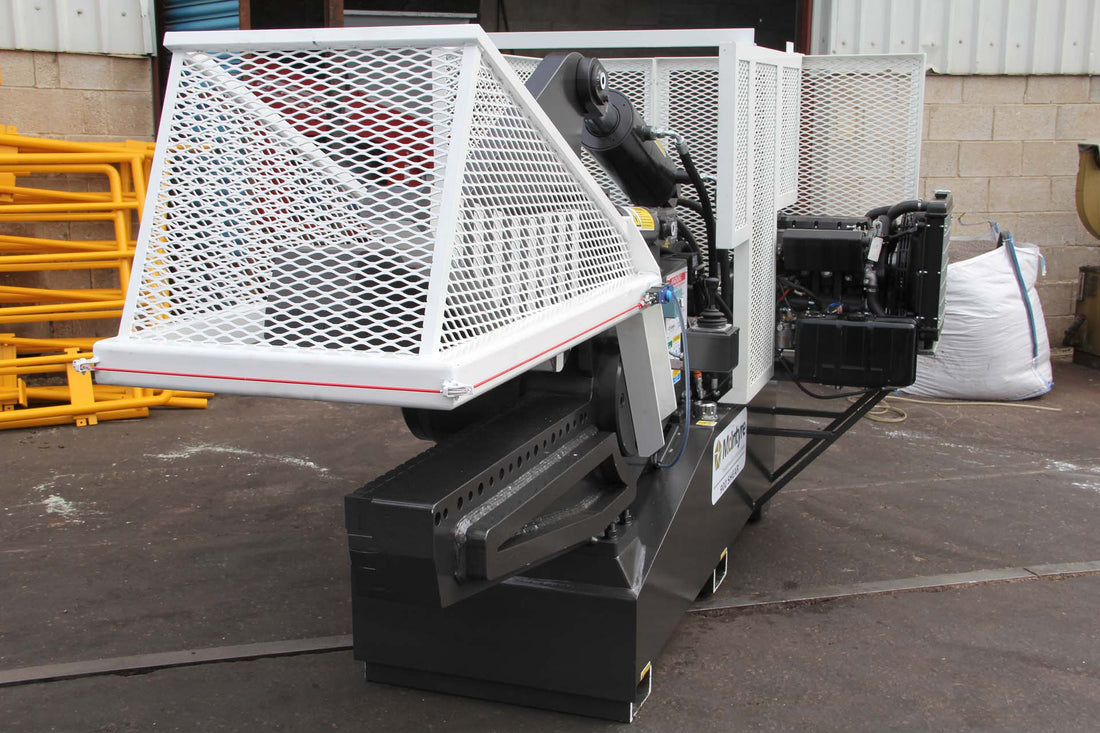
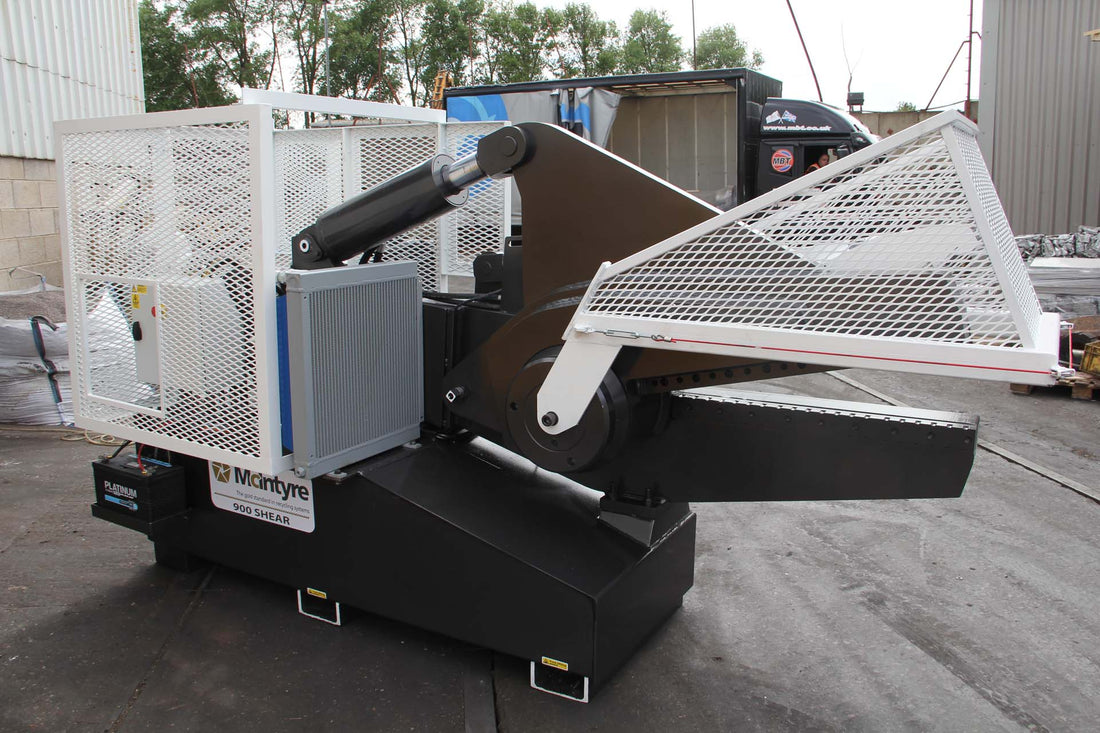
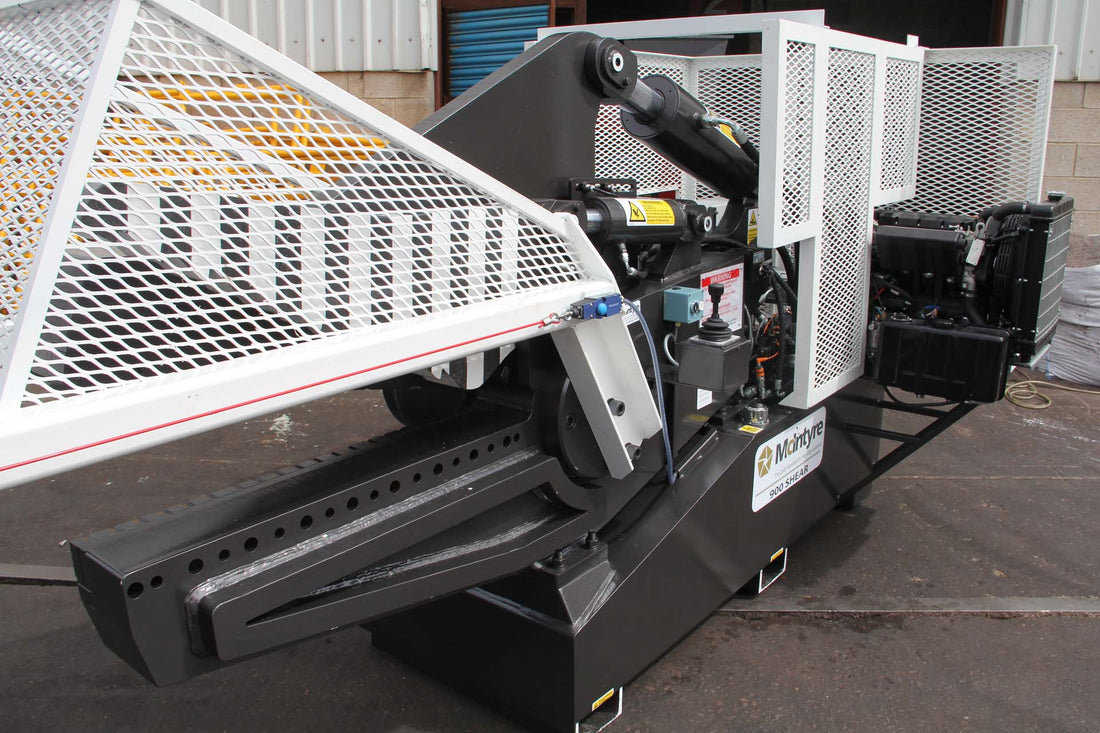
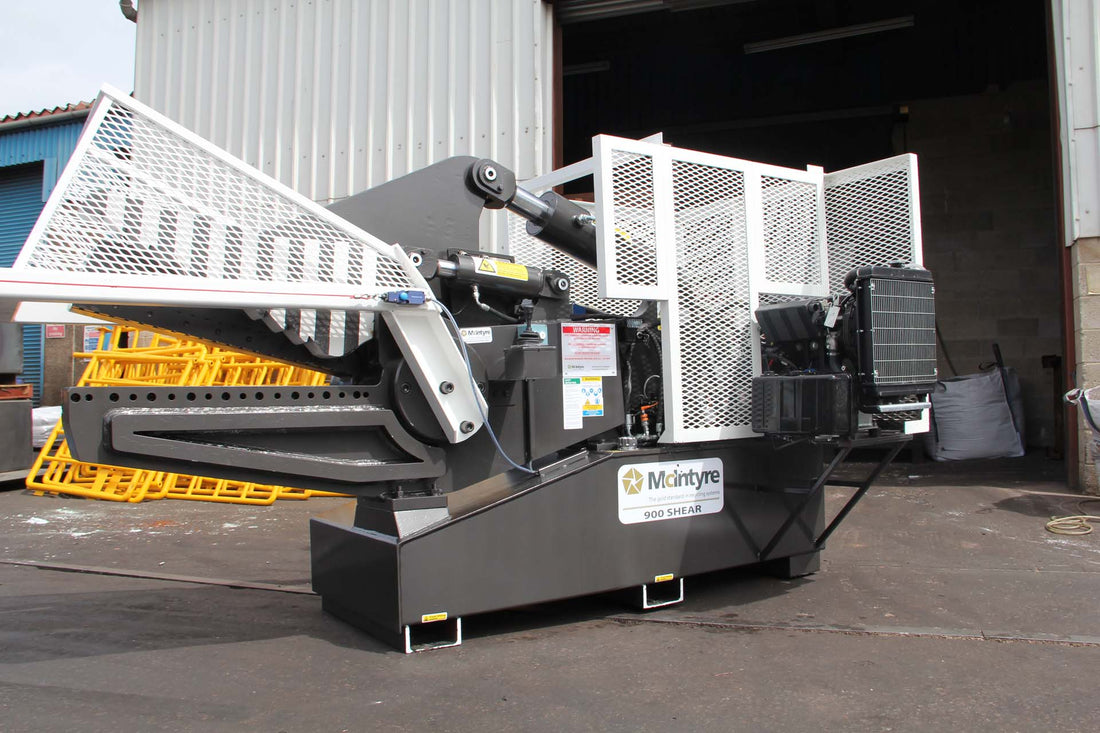
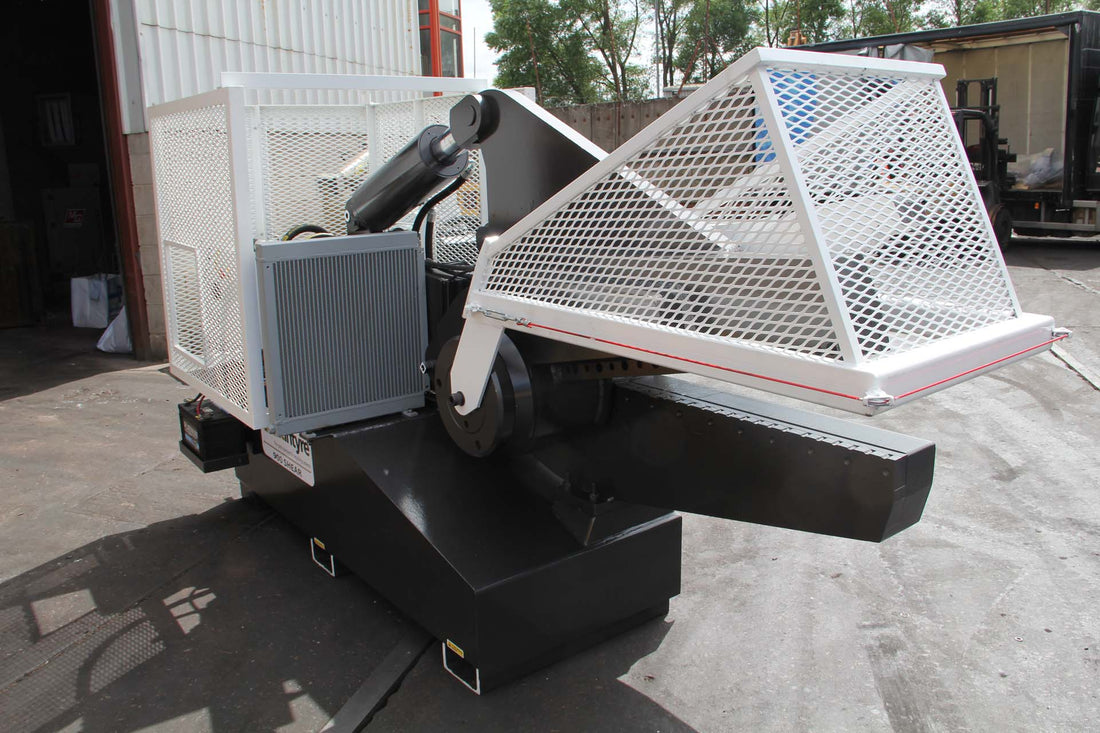
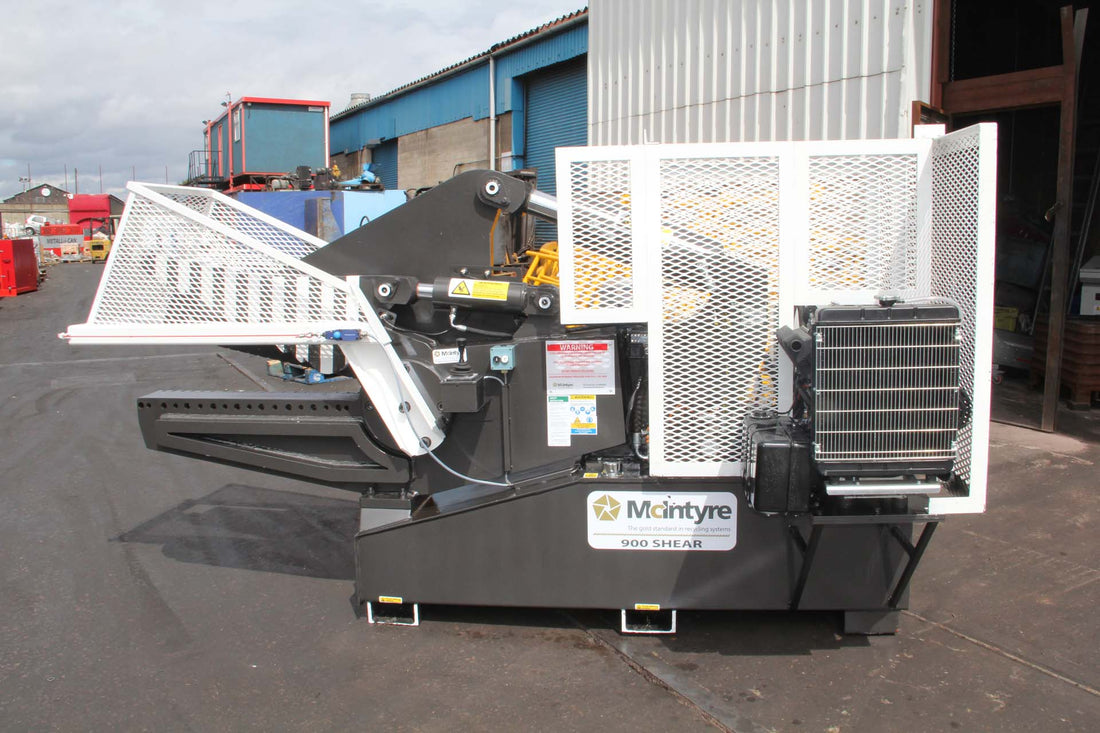
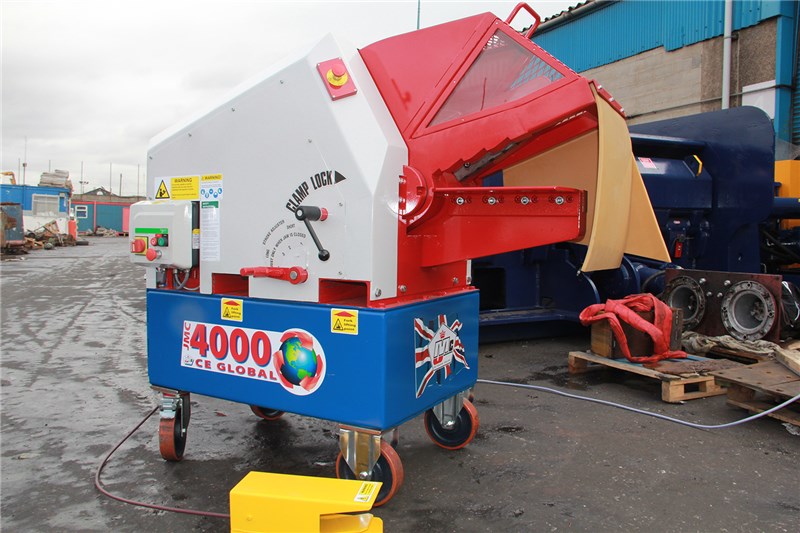
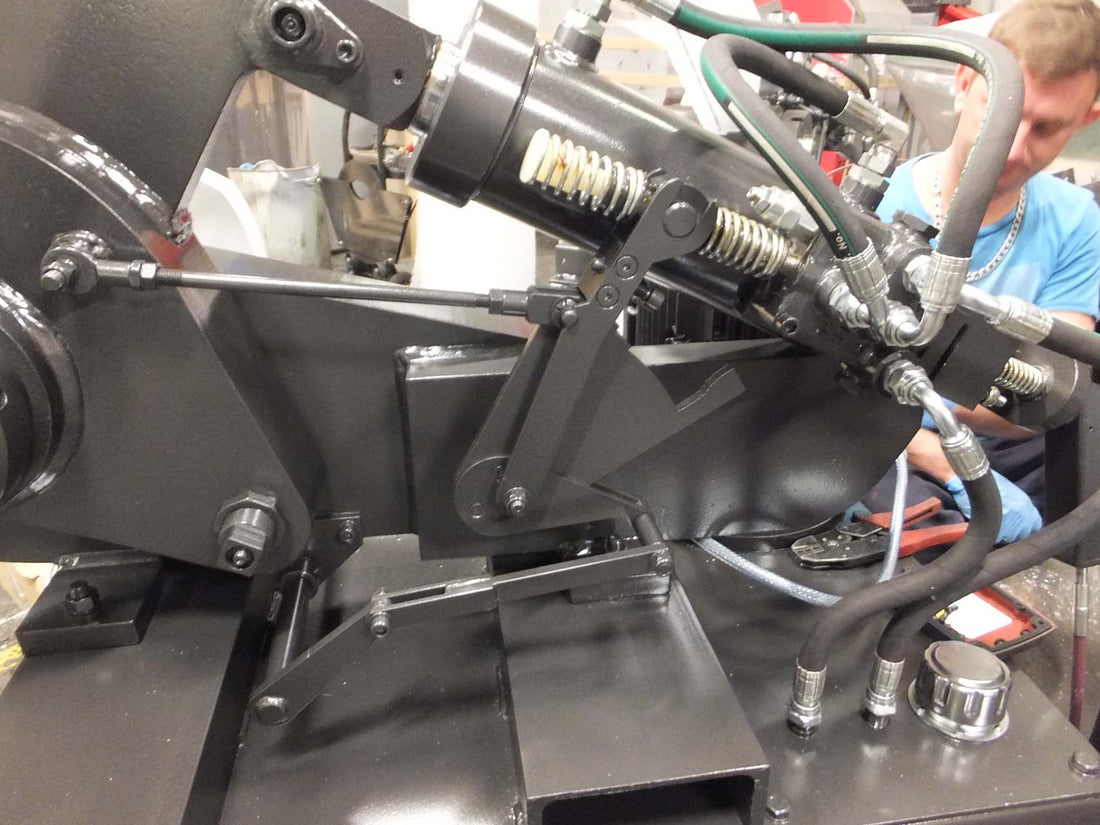
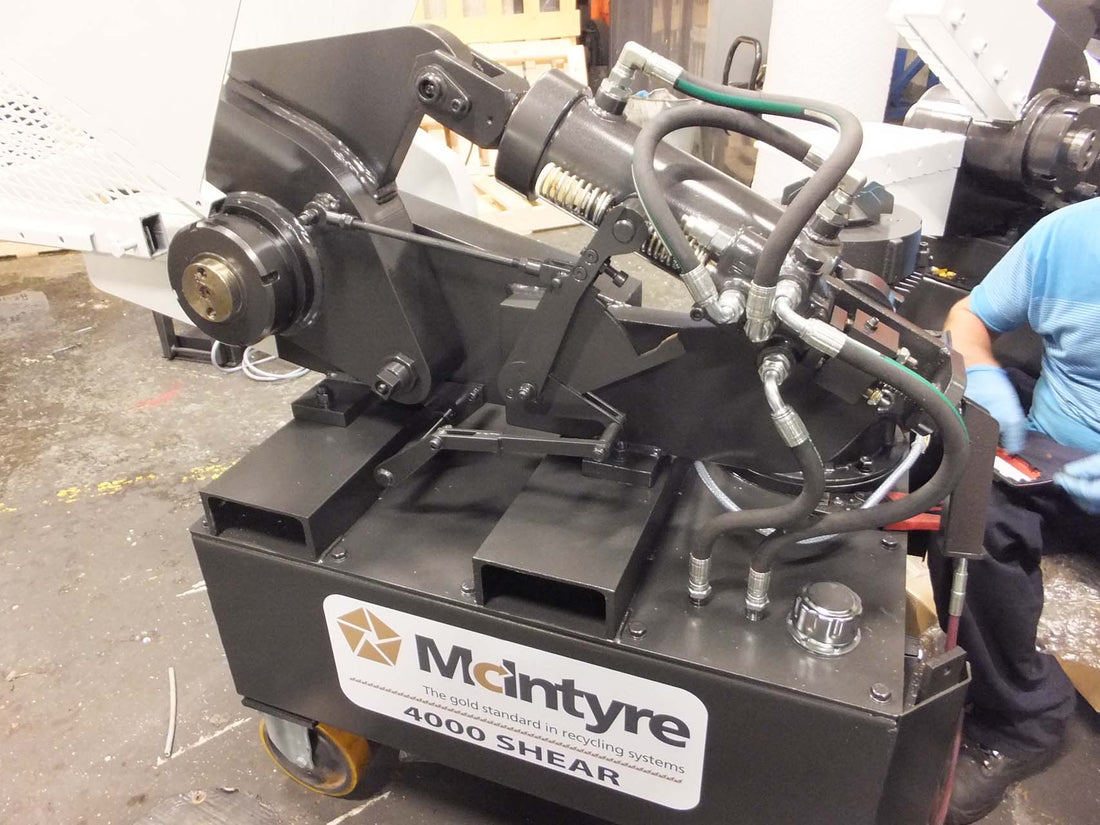
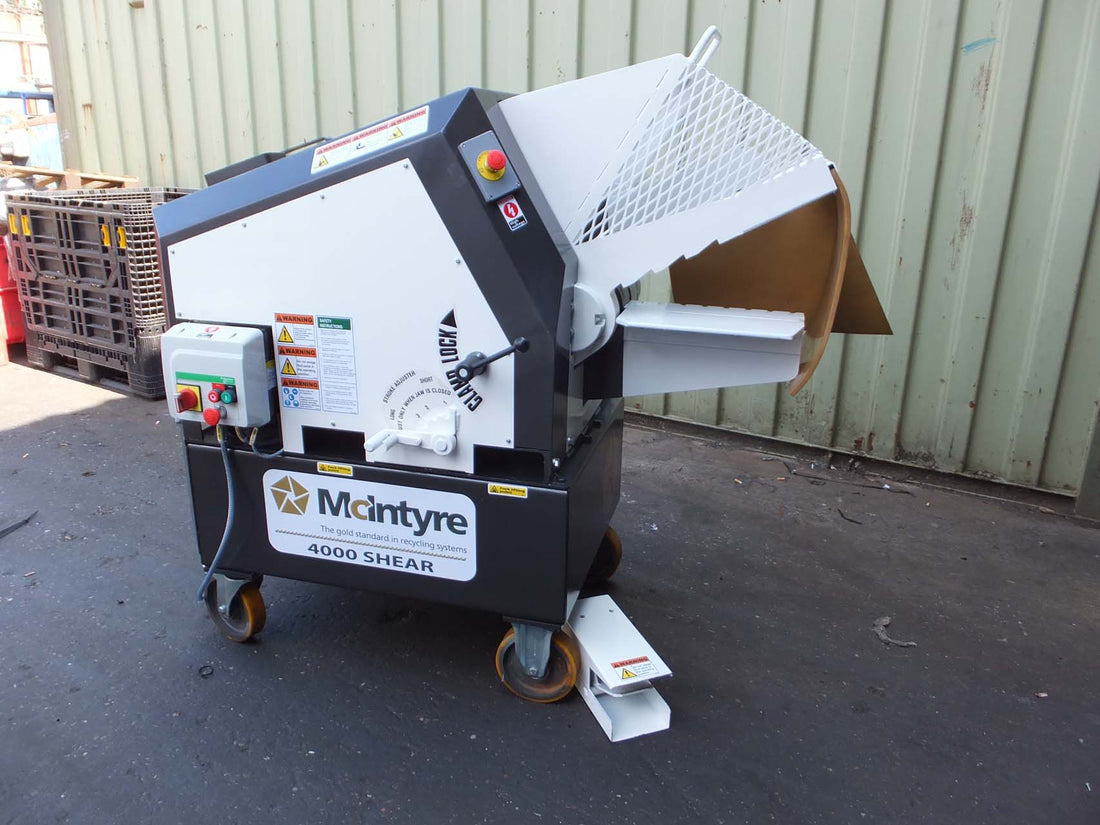
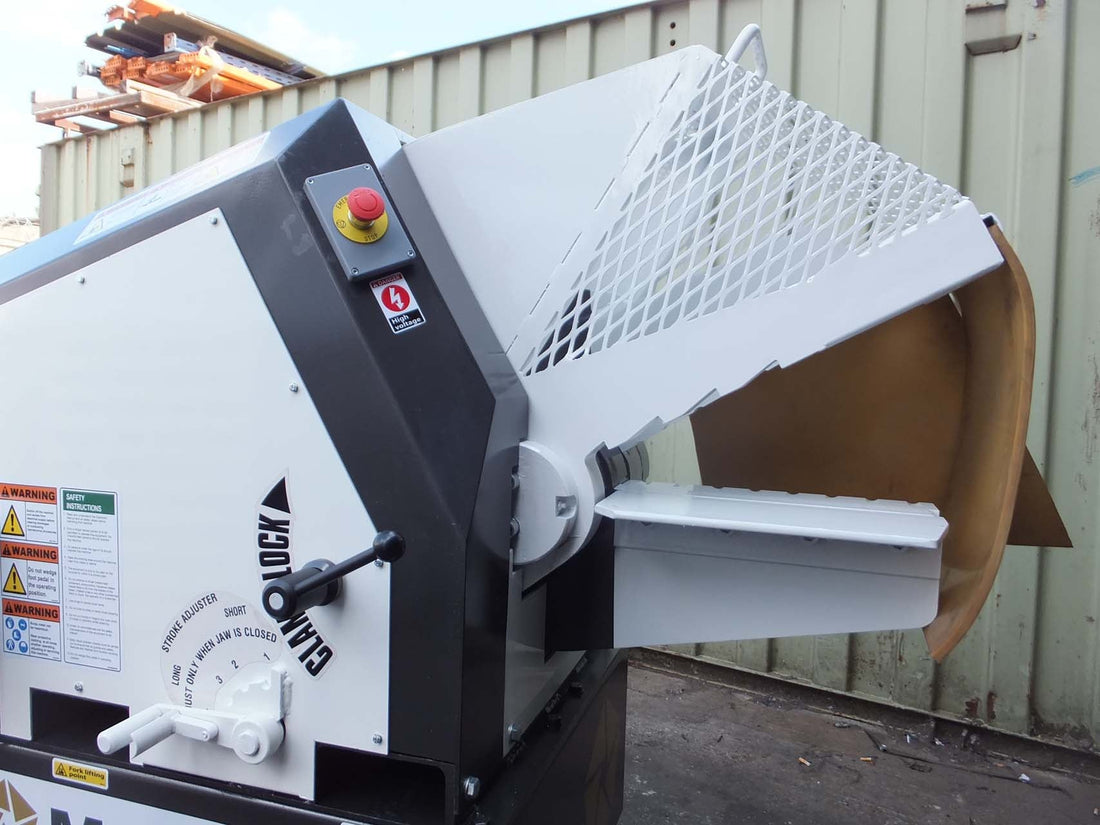
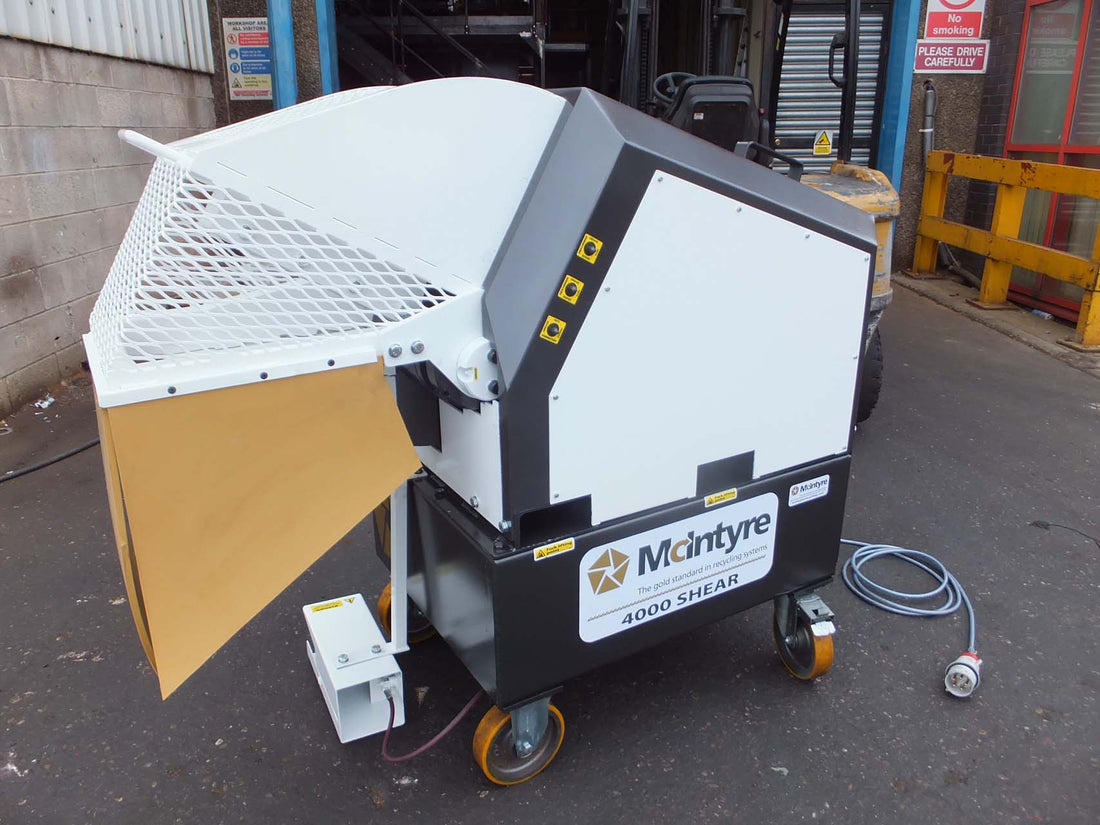
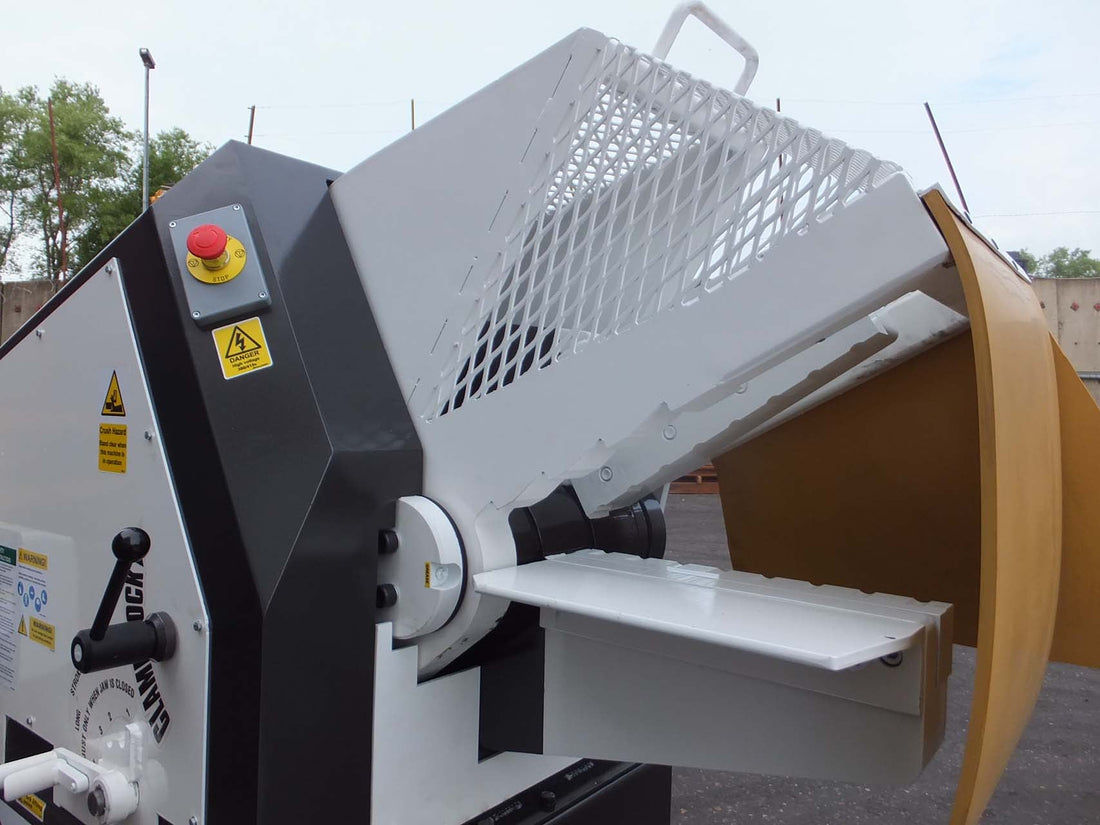
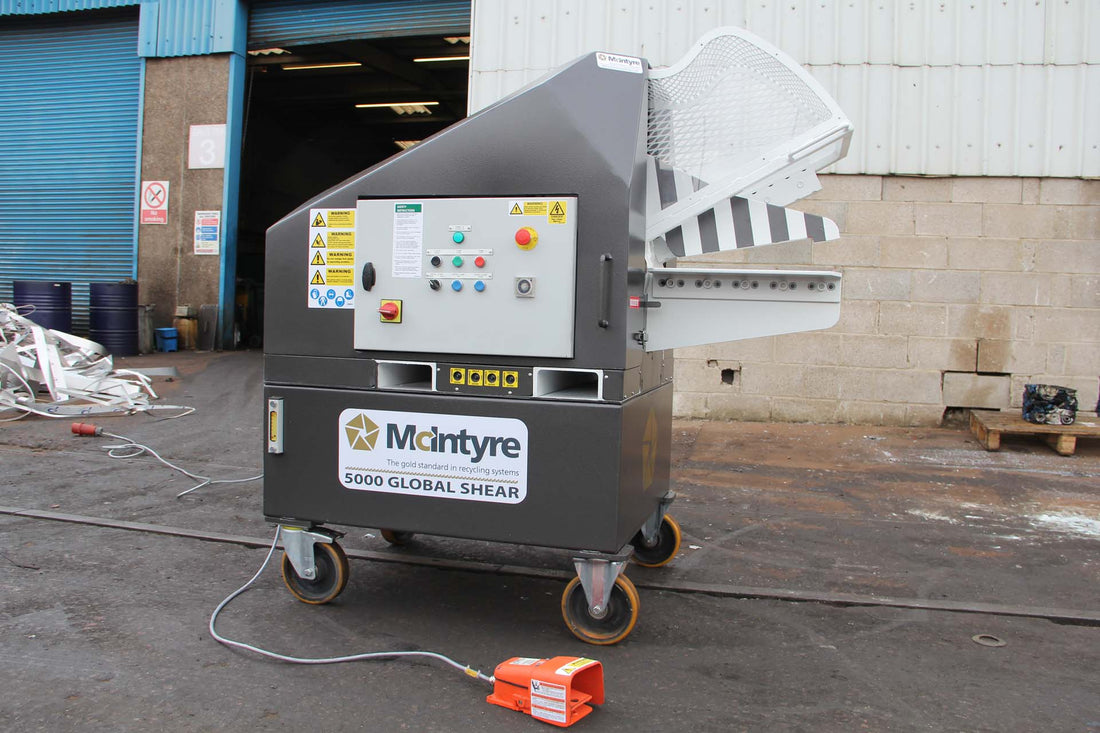
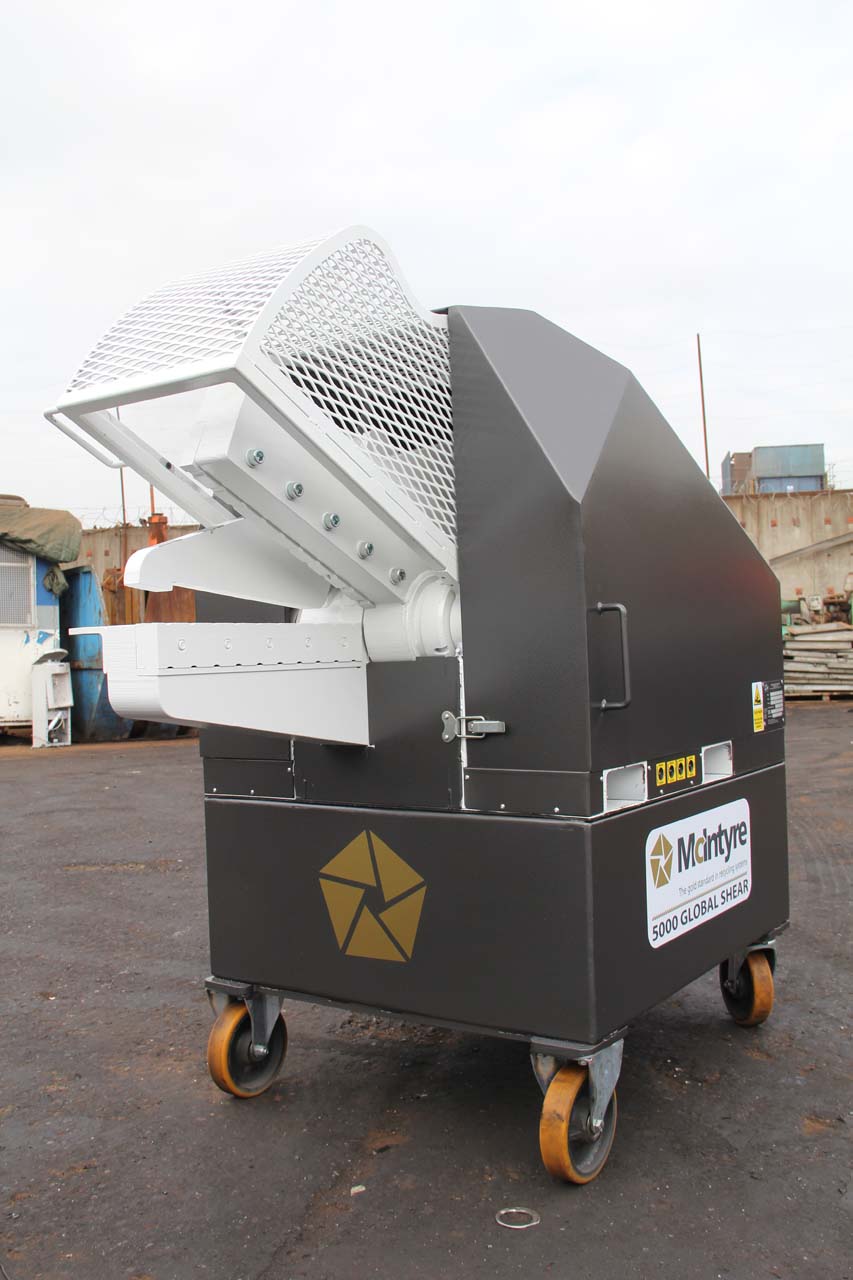
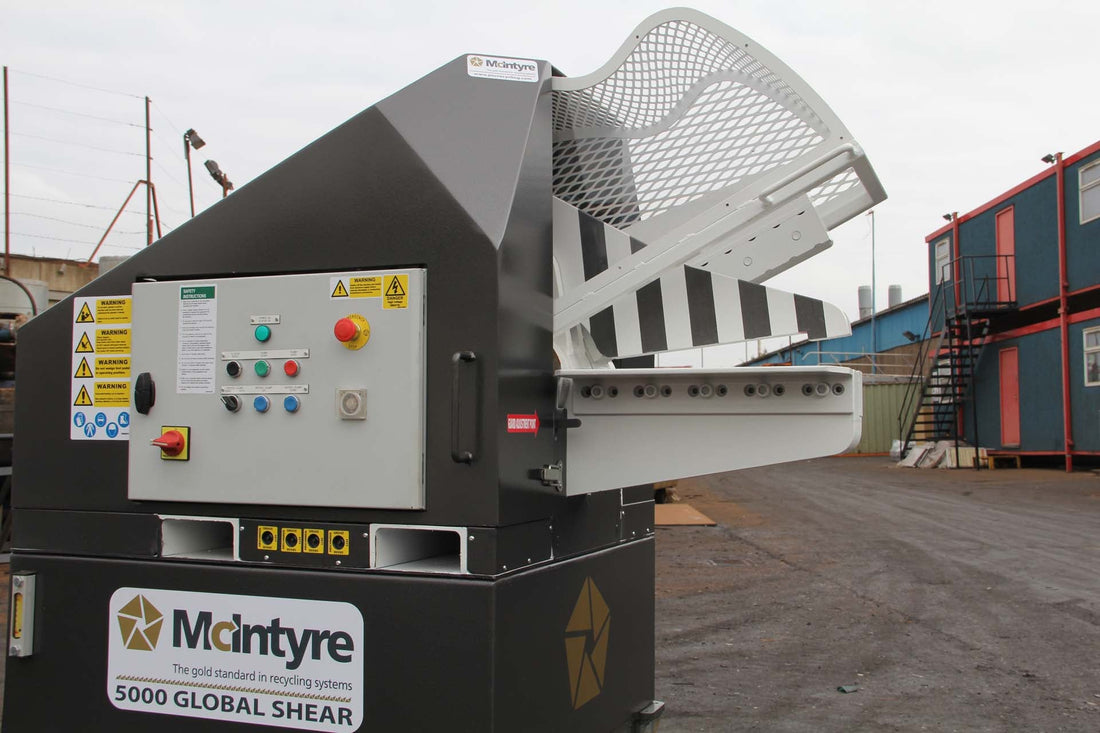
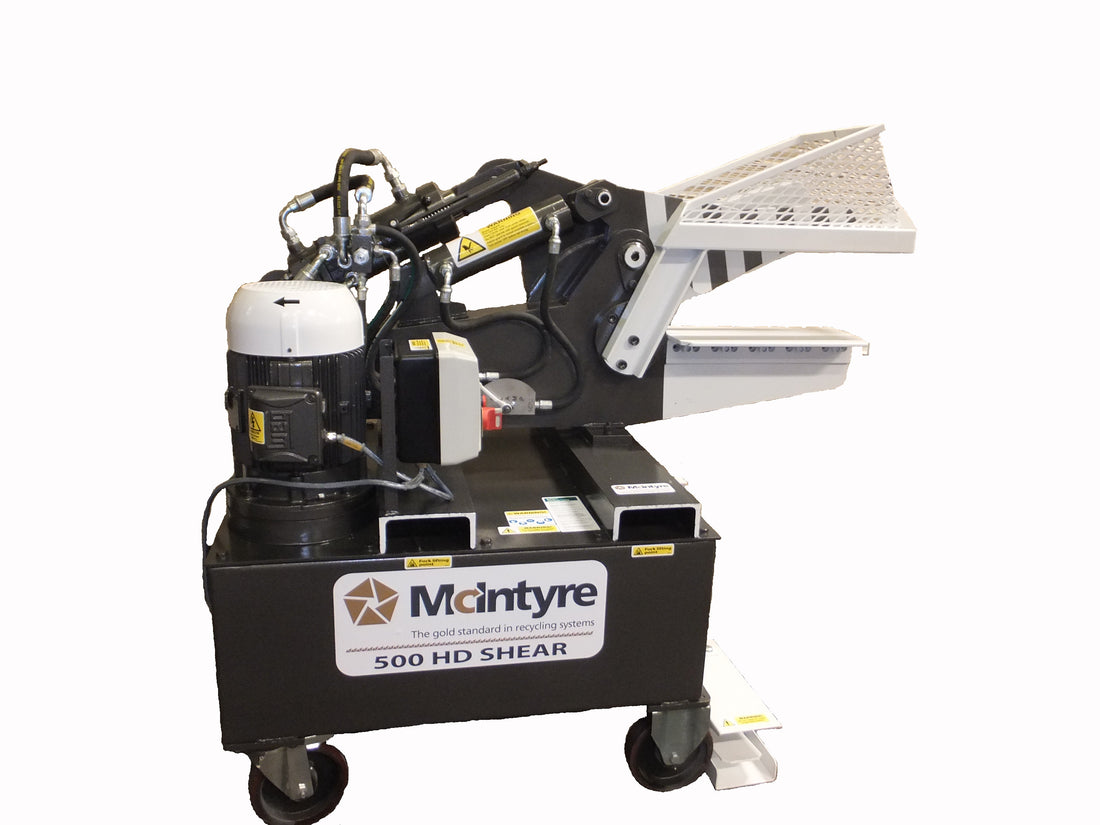
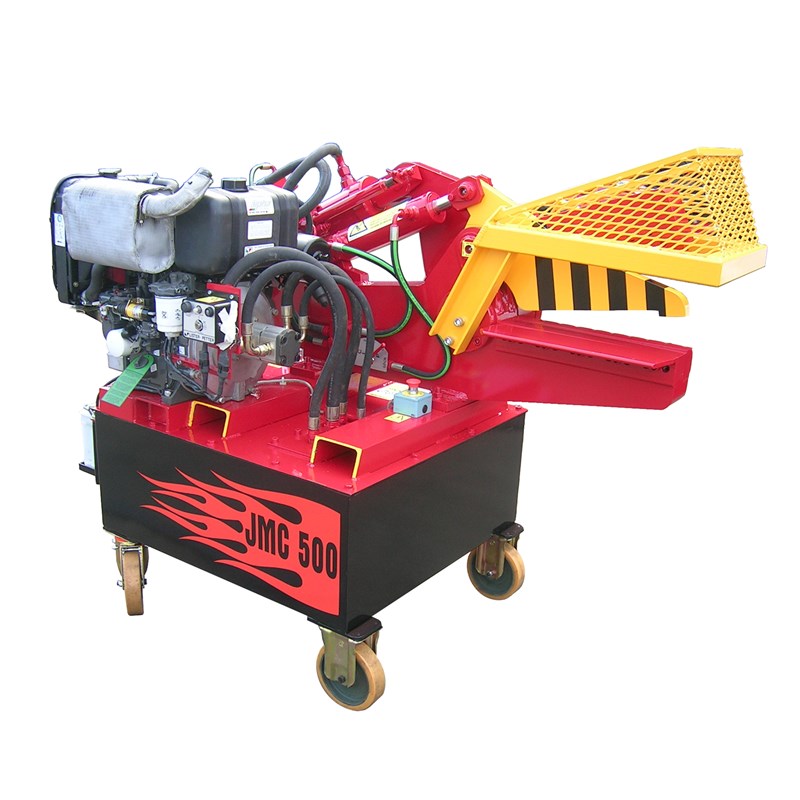
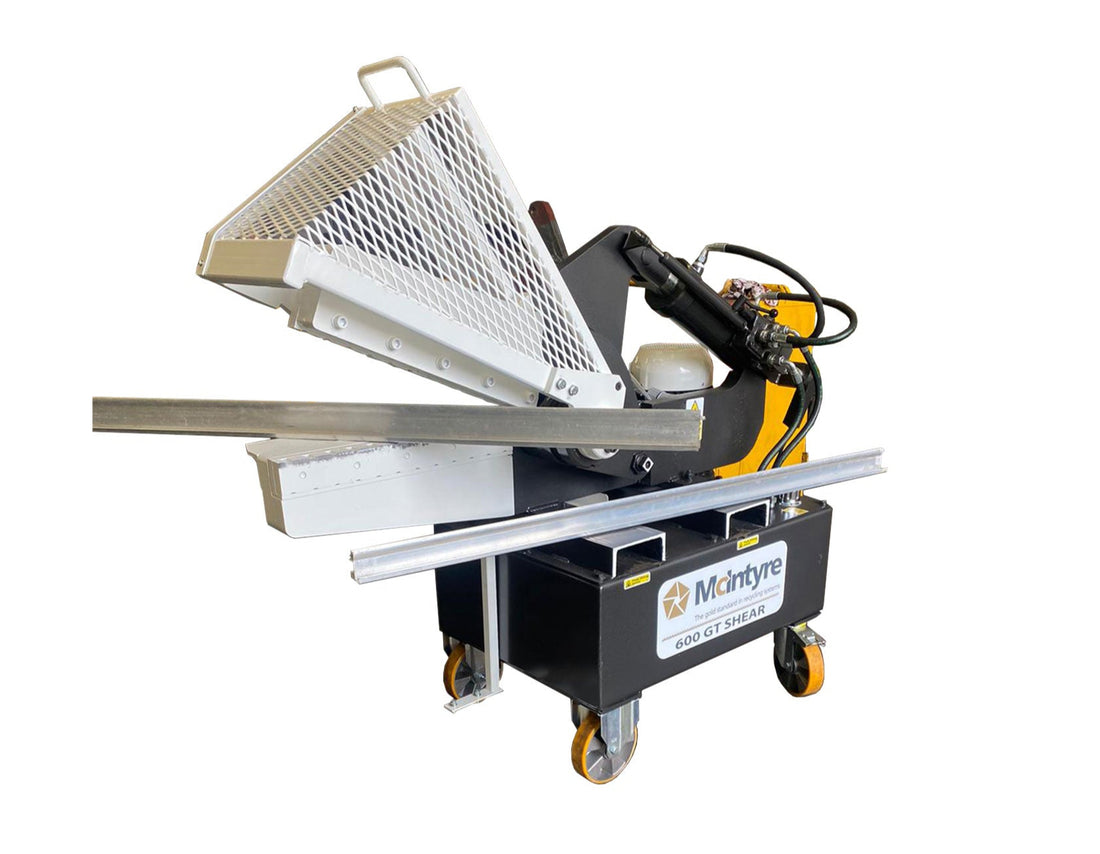
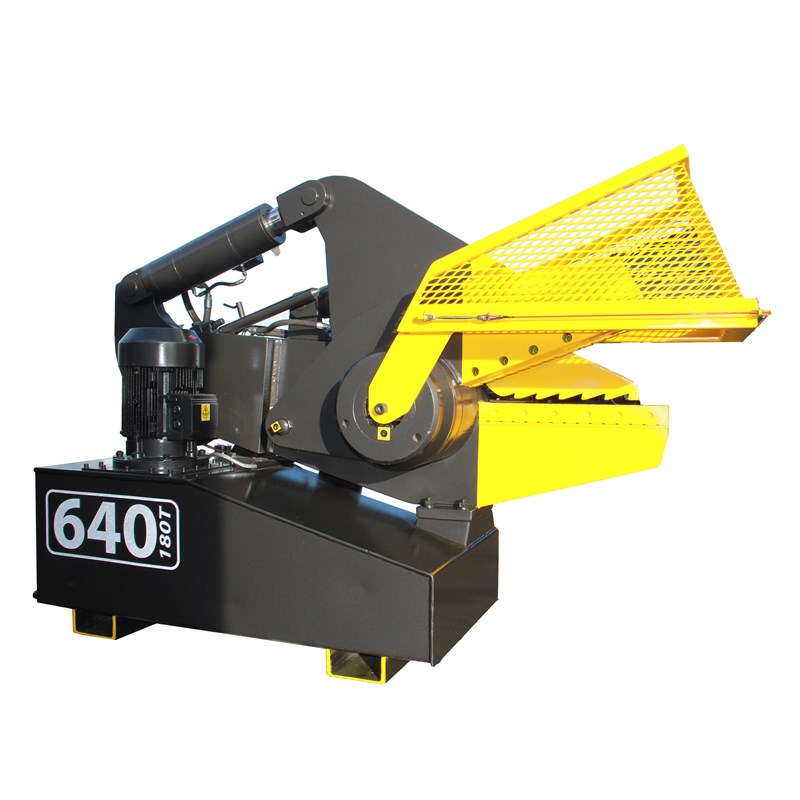
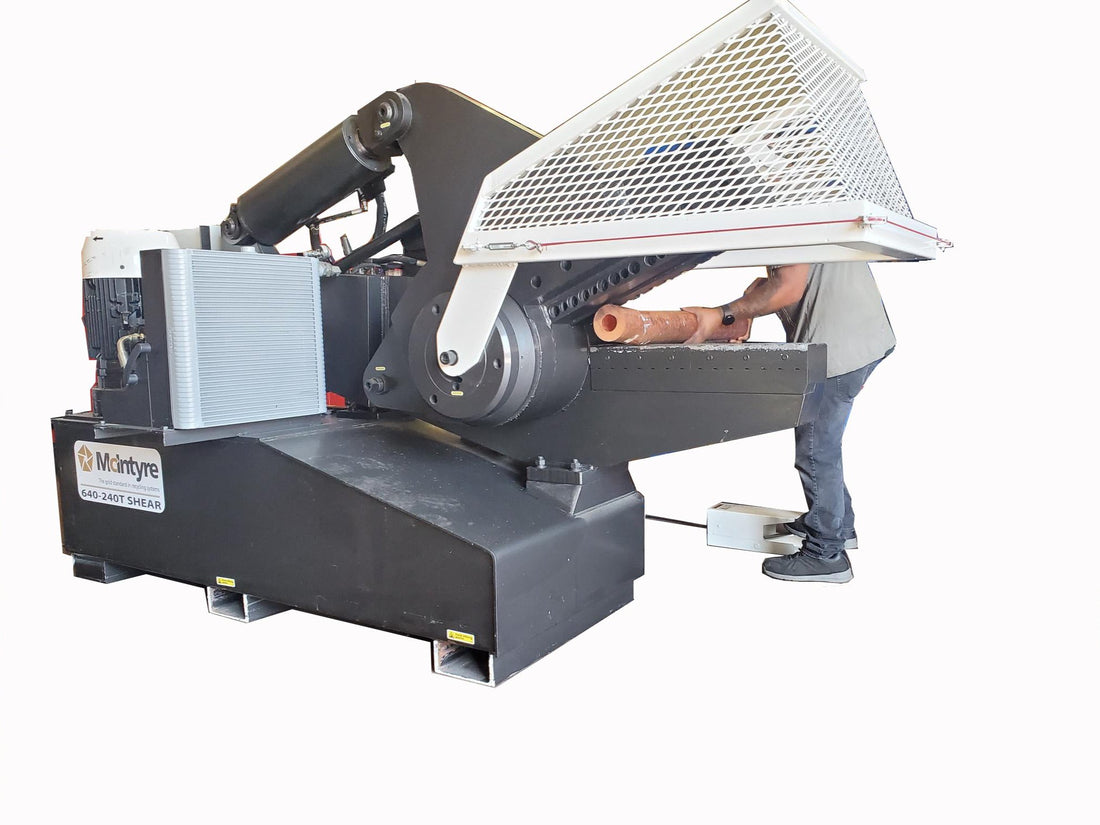
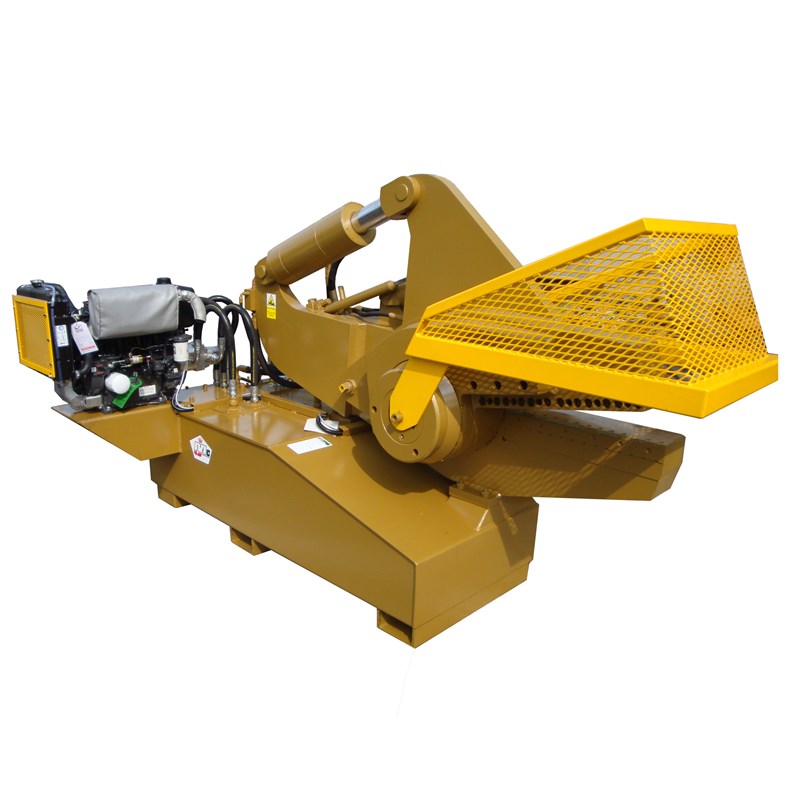
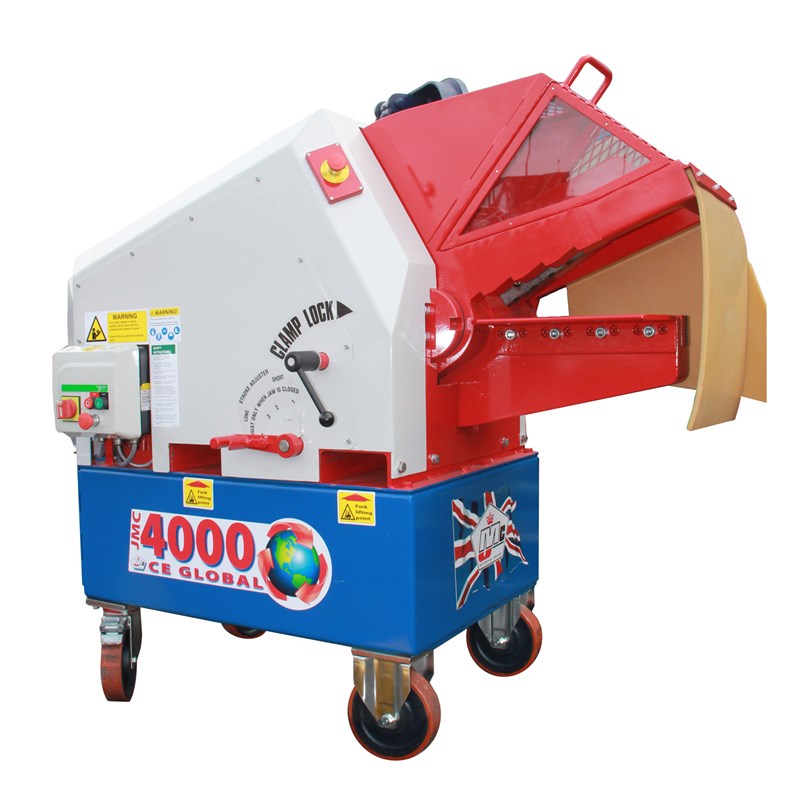
An alligator shear — also known as a crocodile shear — is a heavy-duty hydraulic cutting machine used to slice through scrap metal and other tough industrial materials. It works via a hinged jaw mechanism: a fixed lower blade and a hydraulically driven upper blade descend with significant force to shear through the material. The name comes from the jaw-like resemblance to an alligator's mouth.
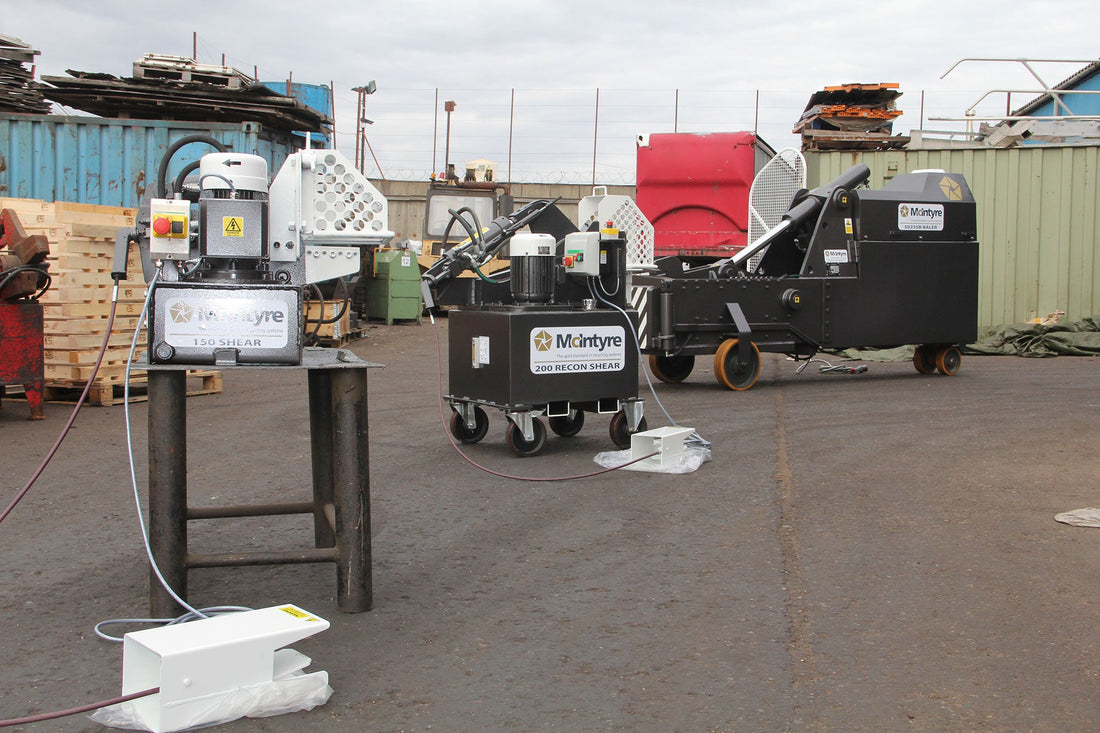
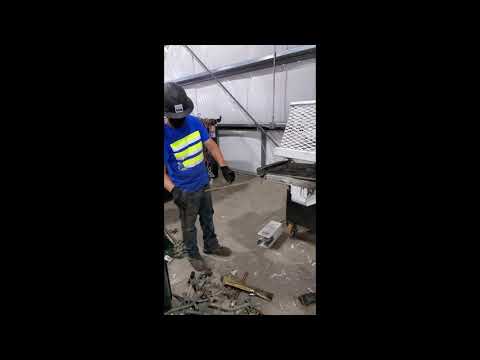
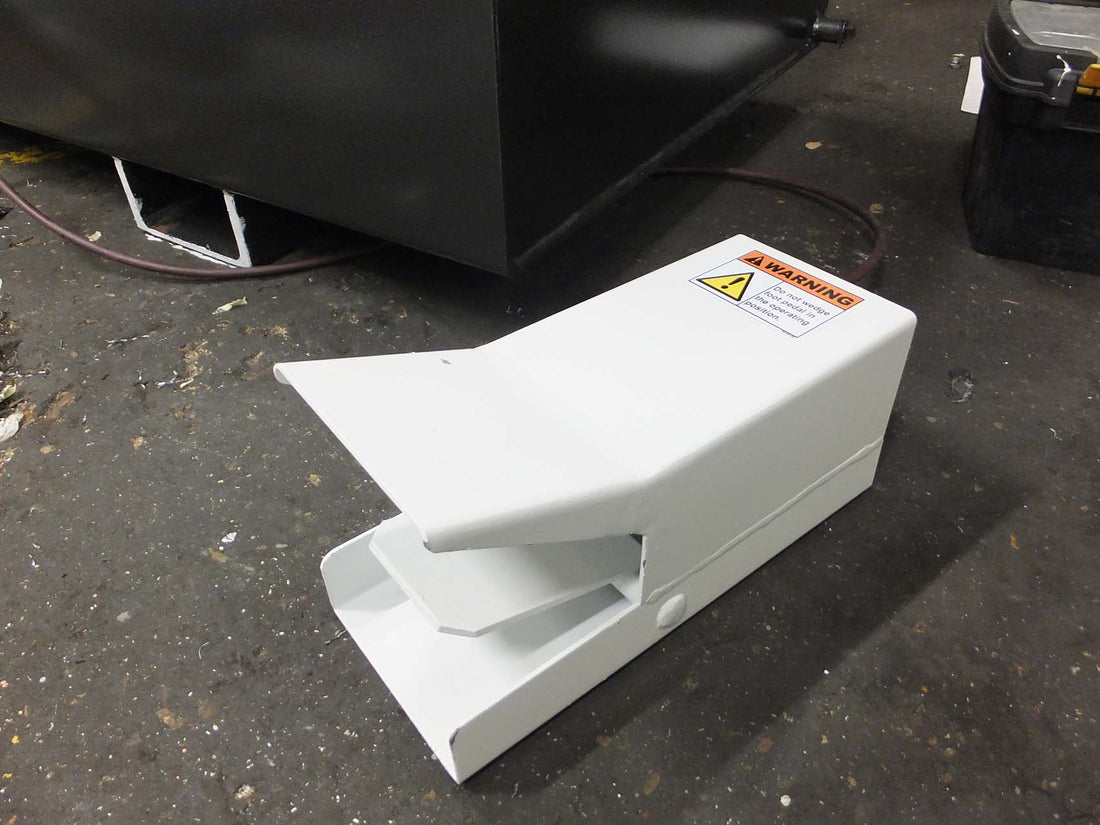
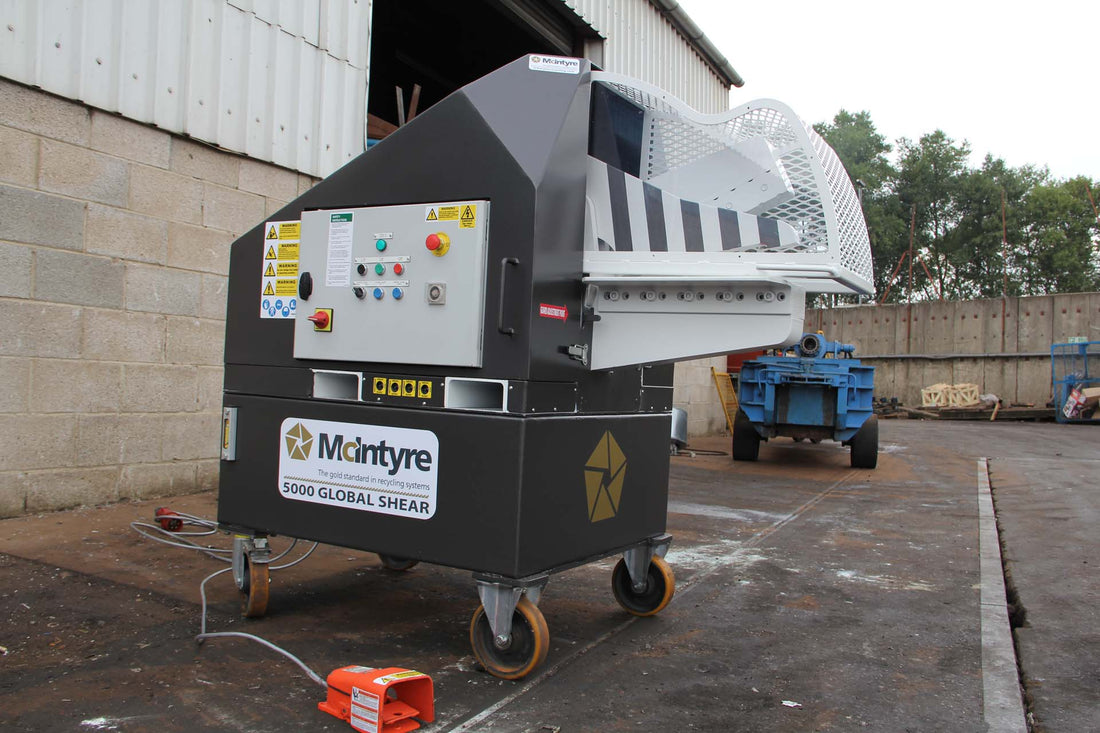
Most models use a foot-operated switch to trigger the cutting action, keeping the operator's hands safely away from the blade at all times. Alligator shears are a staple piece of equipment in scrapyards, vehicle recycling facilities, demolition operations, and metal processing plants worldwide.
Are alligator shears and crocodile shears the same thing?
Yes — alligator shears and crocodile shears are two names for exactly the same type of equipment. Both terms describe a hinged-jaw hydraulic cutting machine designed for processing scrap metal and industrial materials. The two names are used interchangeably across the industry, including in product listings, technical literature, and by operators in scrapyards and recycling facilities. Whichever term you search for, you're looking for the same machine.
What can alligator shears cut?
Alligator shears are engineered to cut a wide variety of materials, including:
- Scrap metal of all grades (ferrous and non-ferrous)
- Reinforcing bars (rebar) and structural steel sections
- Pipes, angle iron, and extruded profiles
- Car parts — radiators, gearboxes, suspension arms, exhaust systems
- Catalytic converters
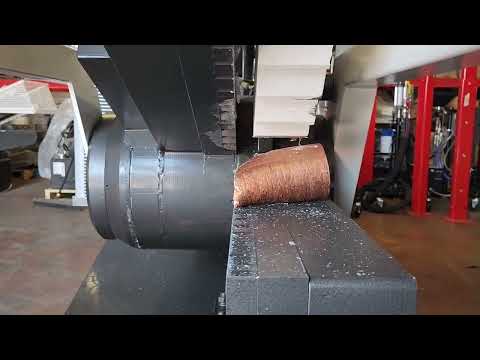
- Cables and wire (for preparation before granulation or stripping)
- Gate valves and fittings
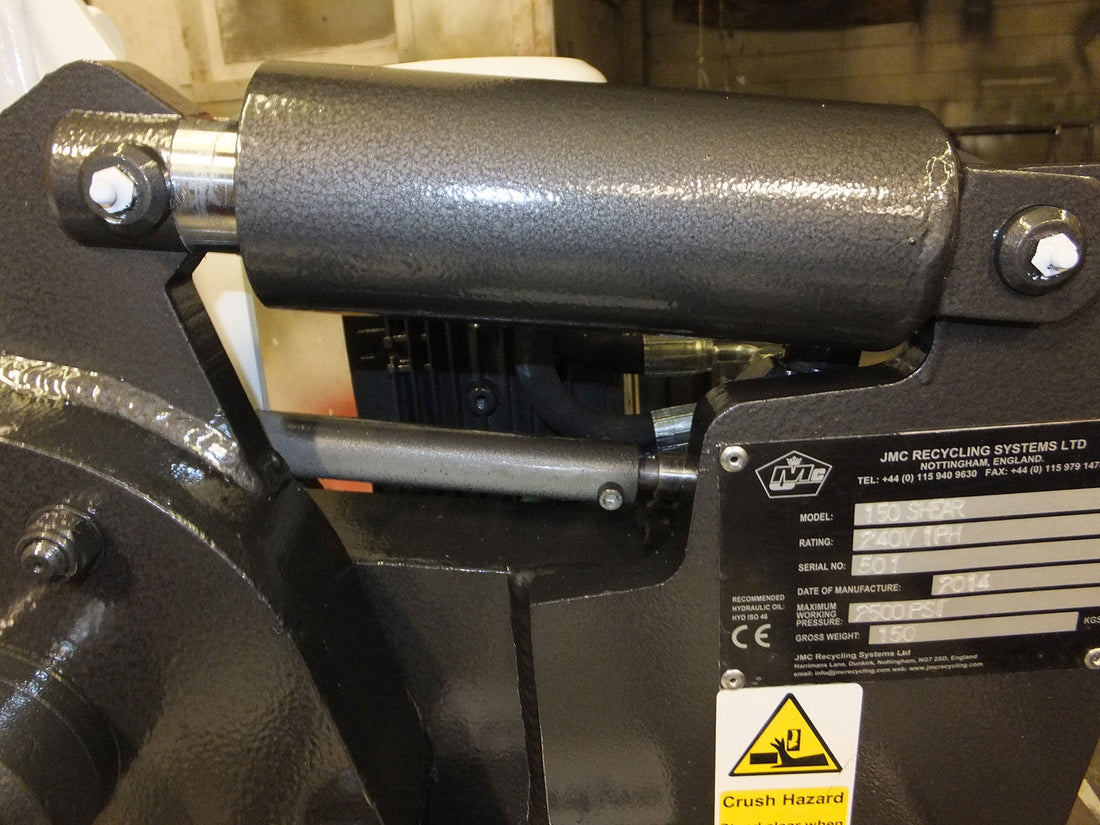
The specific cutting capacity depends on the blade length and hydraulic power of the model. Entry-level machines suit lighter non-ferrous work, while larger models handle thick structural steel. Always check the manufacturer's specification for maximum cutting capacity before processing a new material type.
How do I choose the right alligator shear for my scrapyard?
Selecting the right alligator shear comes down to four key factors:
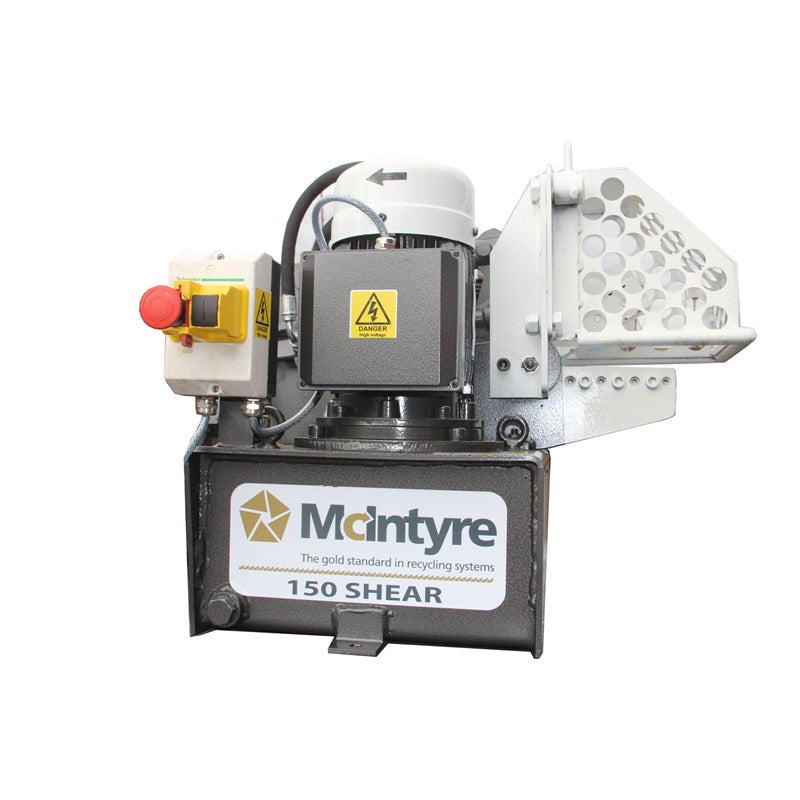
- Material type — lighter non-ferrous scrap and cable suits a smaller blade (150–200mm), while rebar, structural steel, and heavy vehicle parts require 500mm or larger.
- Throughput — if you're processing high volumes continuously, a more powerful model will prevent bottlenecks. Smaller machines suit intermittent or lower-volume use.
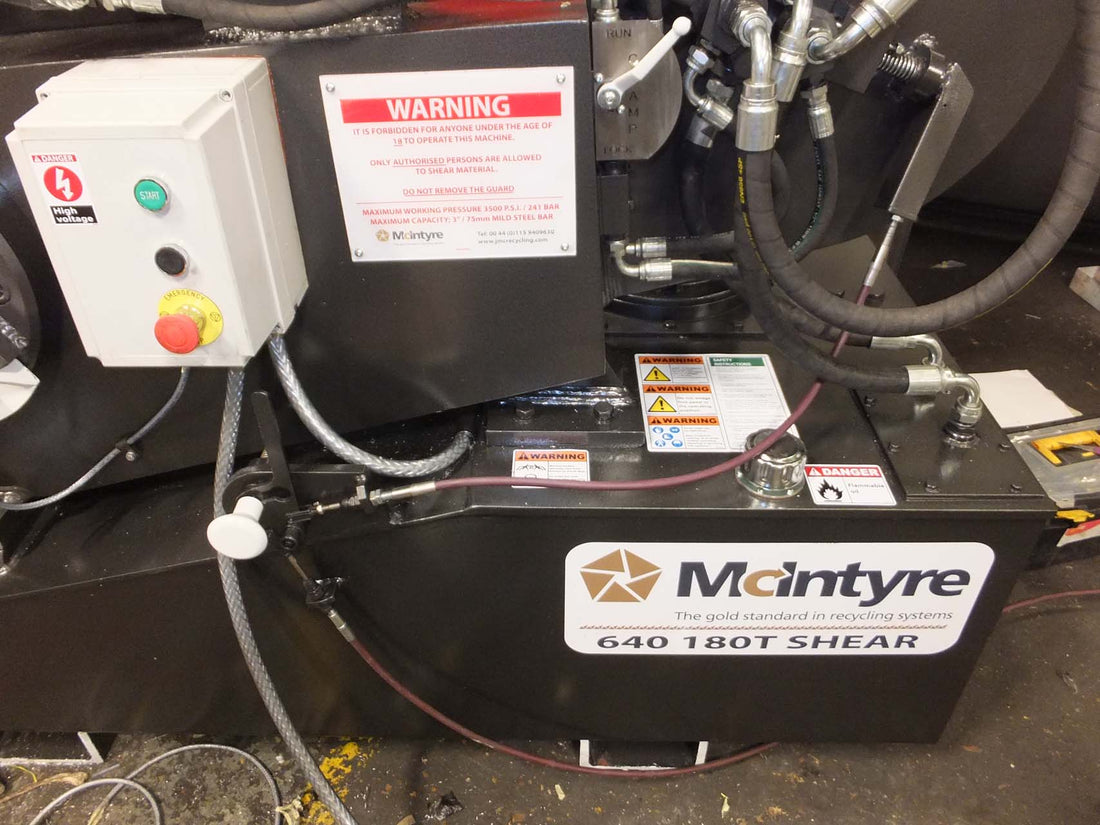
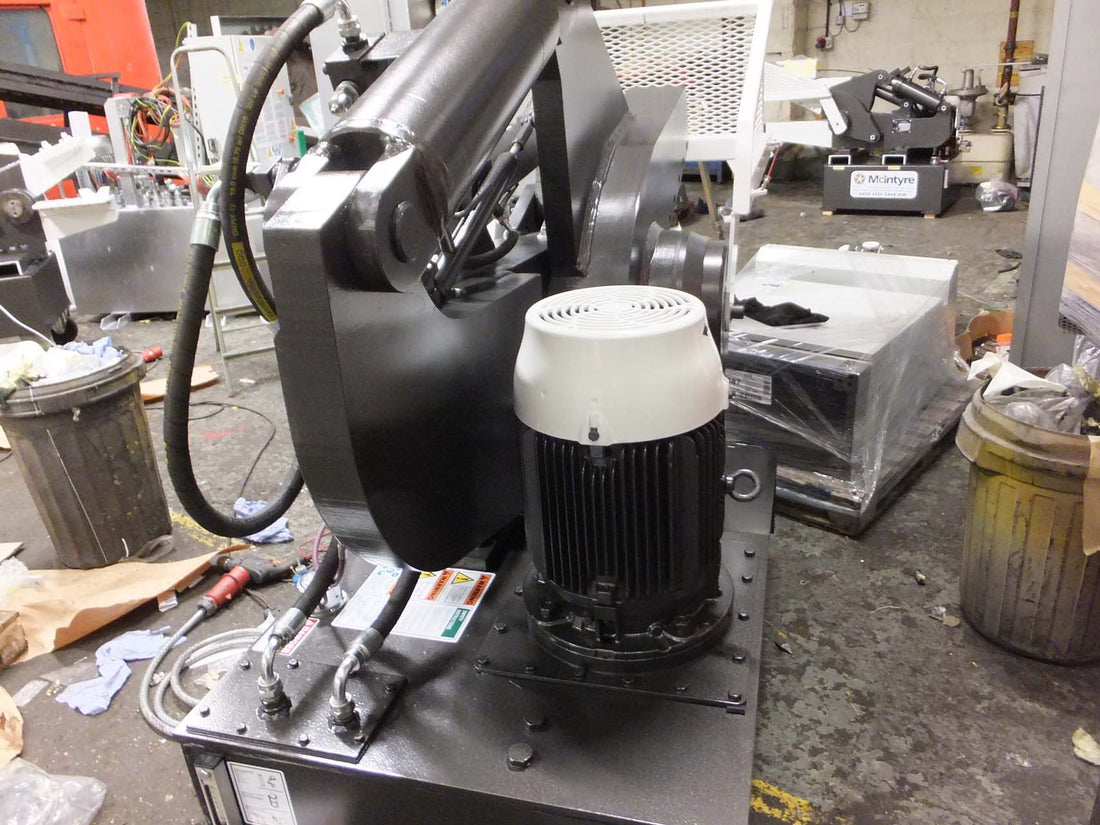
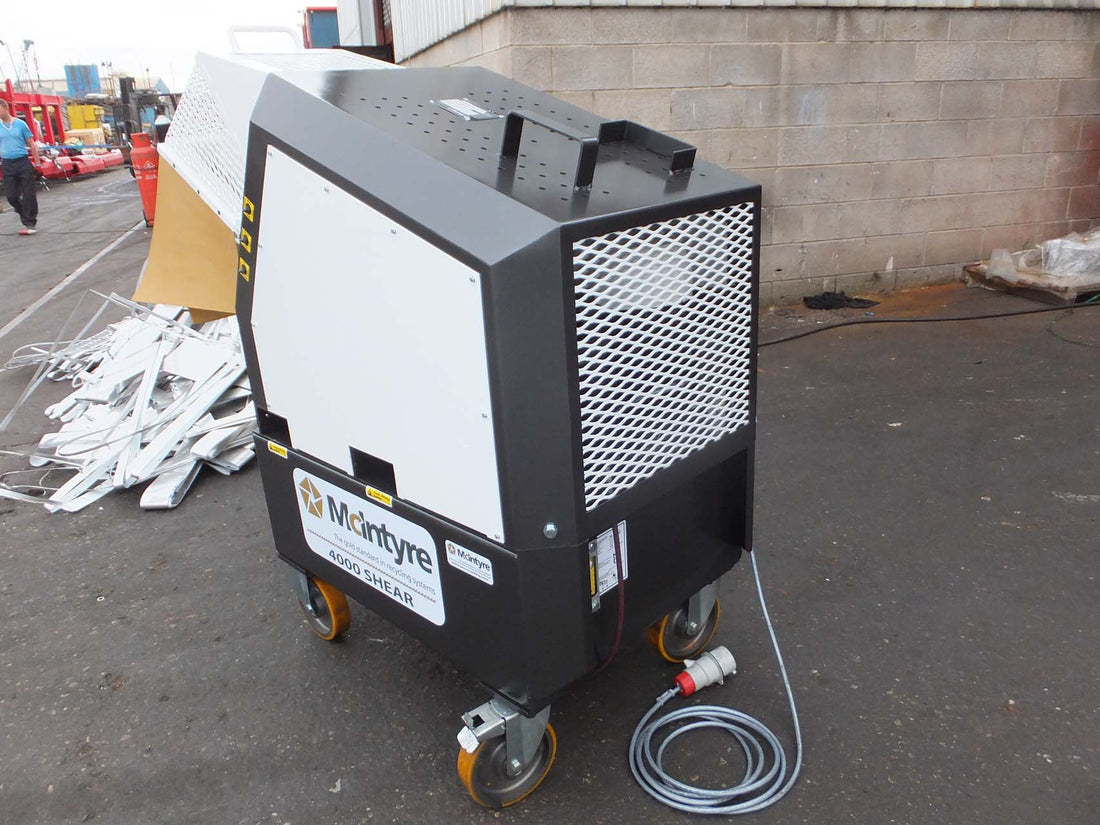
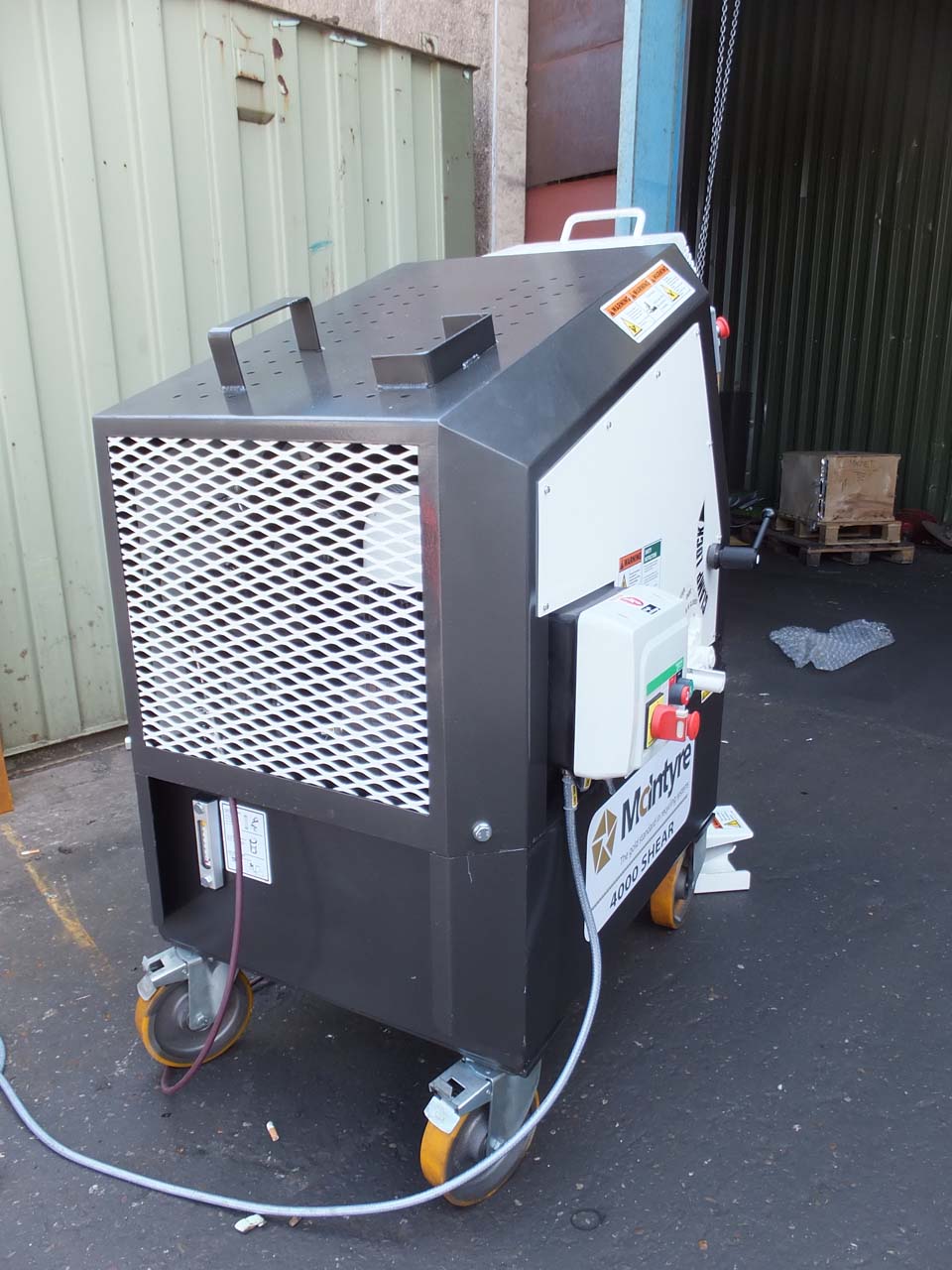
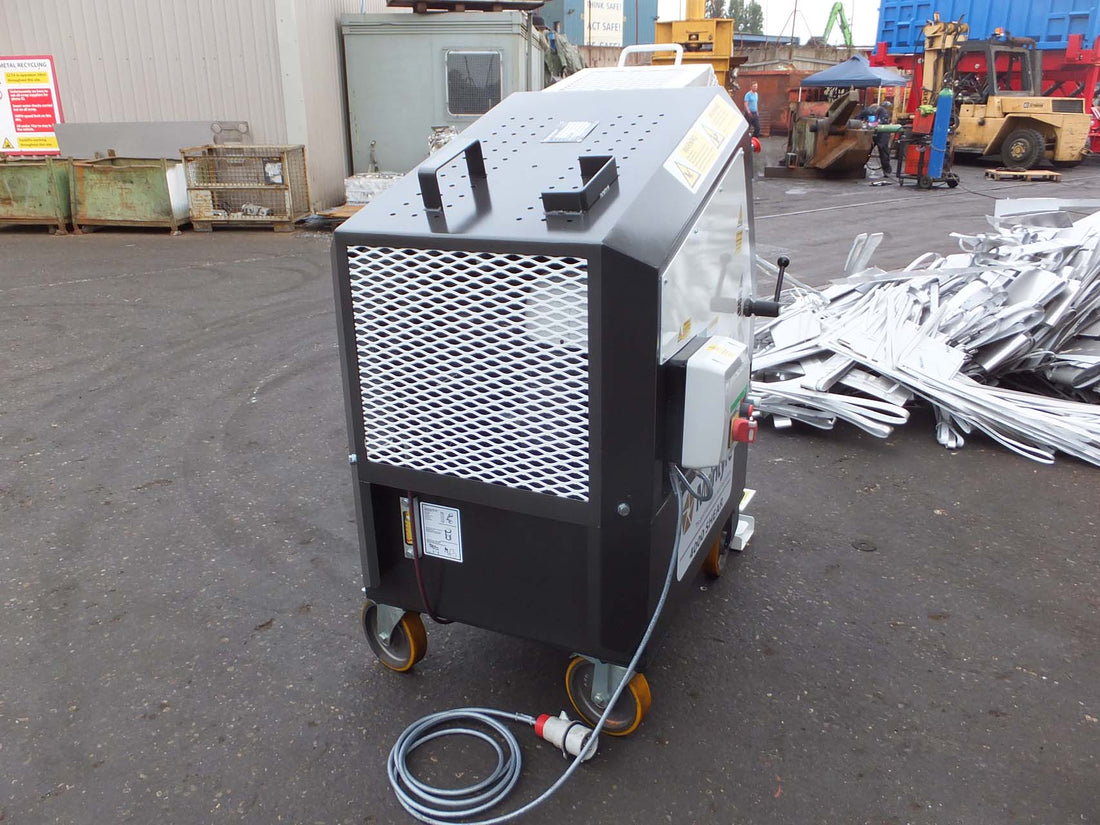
- Power supply — most industrial models require a three-phase electrical supply. Diesel-powered variants are available if you lack reliable mains power or need true mobility across your site.
- Integration — if you need the shear to work as part of an automated processing line, look for models with solenoid control capability.
When in doubt, it's better to size up slightly — undersized shears wear faster and produce poorer cuts when pushed beyond their capacity.
When should I choose a diesel alligator shear over an electric model?
Diesel-powered alligator shears are the right choice when:
- You need to operate outdoors without access to a reliable three-phase power supply
- You require mobility — moving the machine around a large yard or between sites
- Power infrastructure costs make electrical installation impractical
- You're running a temporary or remote processing setup
Electric models are generally preferred for fixed indoor installations where mains power is available. They offer lower running costs, reduced noise levels, and zero exhaust emissions — important for enclosed or partially enclosed working environments. For most permanent scrapyard setups, electric models deliver better long-term value. Diesel is the right call when flexibility and independence from the grid matter more than operating cost.